
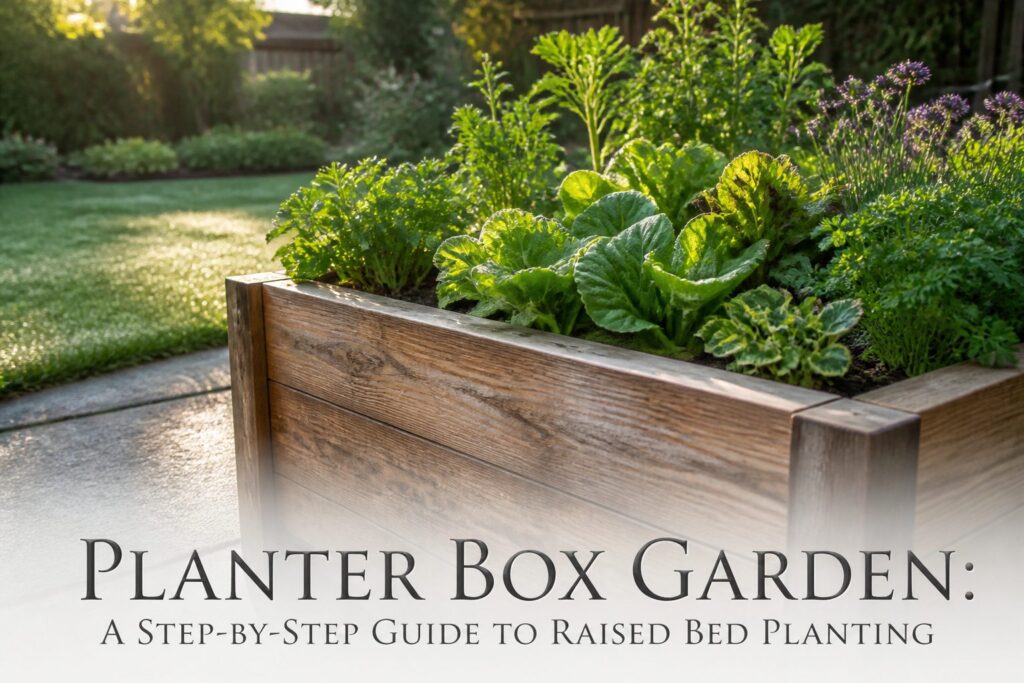
A planter box garden is a raised bed built above ground level and filled with soil you choose, not the clay or sand you inherited.
That same height works against you in summer: a 2-foot wall dries faster than ground-level soil, and the drainage that saves roots in spring becomes the reason you stand there with a hose twice as often by August.
Cedar frames run over $100 for a single DIY box now, but they last 15–20 years and the 16½-inch seat height saves your knees.
[link-whisper-related-posts]Choose the Location
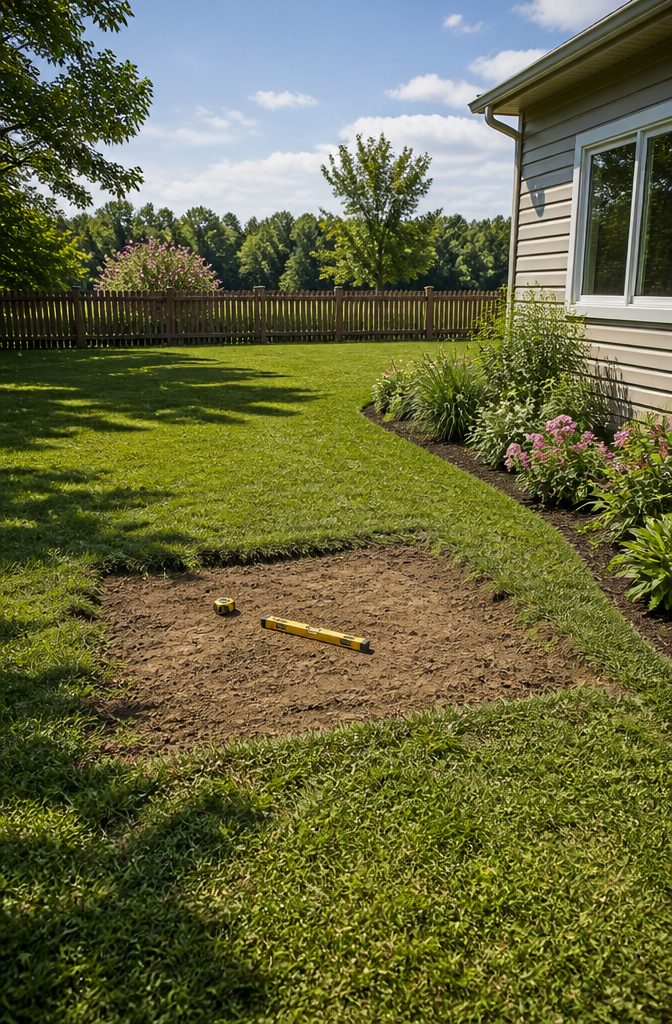
Six to eight hours of direct sun is the threshold most vegetables need to produce well, so I start by tracking light across a full day before committing a spot.
Level ground matters more than it looks; a planter box garden set on a slope will drain unevenly and stress the joints where boards meet.
I would spend the time to dig down high spots or fill low ones with paver sand now rather than wrestle with bricks later.
Width and access shape the daily experience more than length.
A bed 4 feet across lets me reach the center from either side without stepping into the soil and compacting it. Paths between boxes need 3 feet of clearance if I want to roll a wheelbarrow through with compost or harvests.
Wider beds or narrower paths save a few square feet on paper, but I would skip that trade; the frustration shows up every Saturday morning.
Clear and Level the Ground
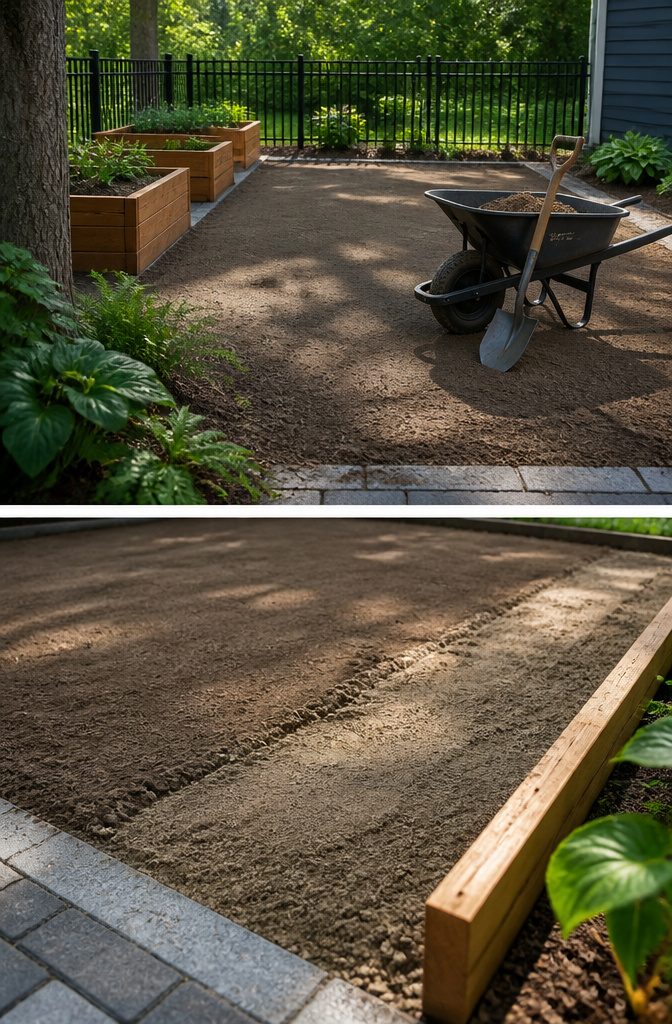
The ground beneath a planter box garden has to be flat, or the frame warps and the soil settles unevenly. I learned this the hard way on my first beds, which ended up propped on bricks after the wood twisted.
Now I strip the sod, then either dig down the high spots or spread paver sand to lift the low ones until a level sits true in every direction.
Once the base is ready, I decide whether to line it.
Landscape fabric on the bottom and up the sides keeps soil from washing out in heavy rain and blocks weeds from below. ½-inch hardware cloth cut to 4 feet by 8 feet is the better choice if mice, chipmunks, or voles are a problem where you garden; it lets roots and water pass but stops tunneling.
On a patio or other hard surface, a liner is almost required to keep the bed from becoming a spillway, and landscape fabric is the right material there because water still needs to drain.
I skip plastic sheeting entirely. It traps water and rots roots, and a raised bed is supposed to give you better drainage, not worse.
Select Materials
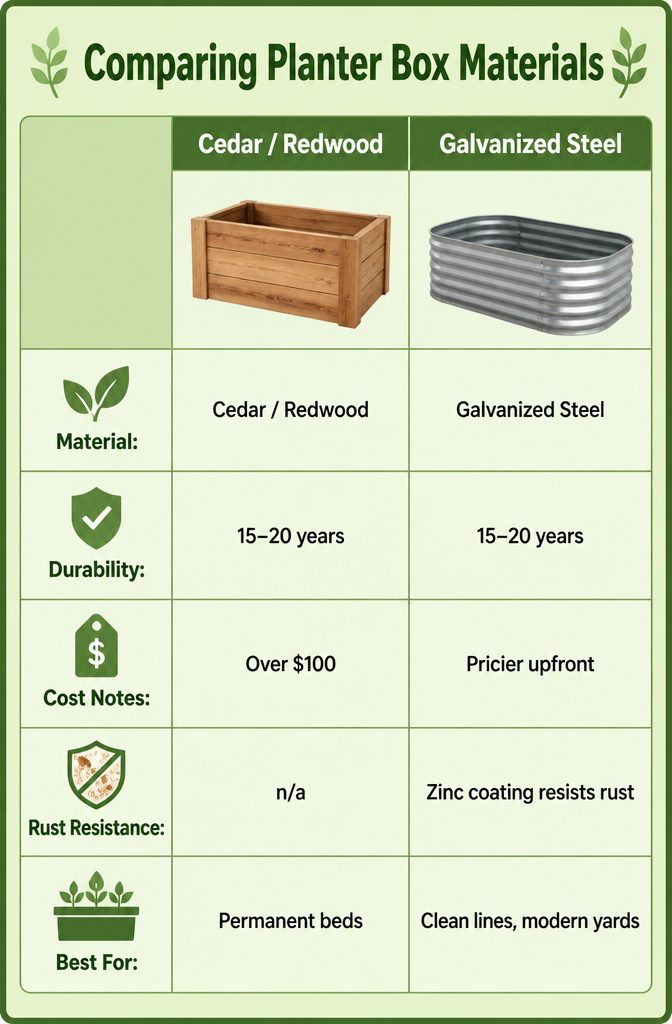
Wood, metal, brick, and fabric each carry a different cost profile and lifespan, and the choice usually comes down to how long you plan to stay in place and what your weekends look like.
| Material | Durability | Cost Notes | Rust Resistance | Best For |
|---|---|---|---|---|
| Cedar / Redwood | 15–20 years if untreated | A single DIY cedar box now runs over $100; construction-grade redwood with knots costs less than clear grades | n/a | Permanent beds you build once |
| Galvanized steel | 15–20 years reported | Pricier upfront; owners on Reddit question Amazon-tier quality | Zinc coating resists rust until scratched or the coating thins; full sun can heat the soil | Clean lines, modern yards |
| Cinder blocks / bricks | Indefinite | Cheapest per linear foot in many regions; no fasteners needed | n/a | Level ground you don’t want to dig into |
| Fabric grow bags | 3–5 seasons typical | Lowest entry cost; replaceable | n/a | Renters, temporary spaces, trial runs |
I would pick cedar if I owned the space and had a miter saw ready.
The smell alone is worth it, and 2×6 boards stacked three high give you a 16½-inch seat height that saves your knees. Redwood performs the same job on the West Coast, often at a friendlier price for construction-grade with knots.
Metal wins on assembly speed and looks, but I would skip the thin-gauge Amazon sets owners on Reddit warn against.
Galvanized steel holds up until the zinc barrier fails, and in zone 8b Louisiana sun, one owner reported soil near the edges getting "crispy" on hot days. If you have a four-year-old helping, that heat matters.
Cinder blocks are the budget brute: heavy, stable, and nearly indestructible.
New concrete blocks are food-safe; old ones may harbor residues you do not want near tomatoes. The thick profile eats space, and planting in the side holes reads utilitarian rather than polished.
Fabric grow bags I would use only for herbs or for testing whether I stick with gardening past season two. They dry out faster, which means more watering, but they fold flat when the lease ends.
Build the Frame
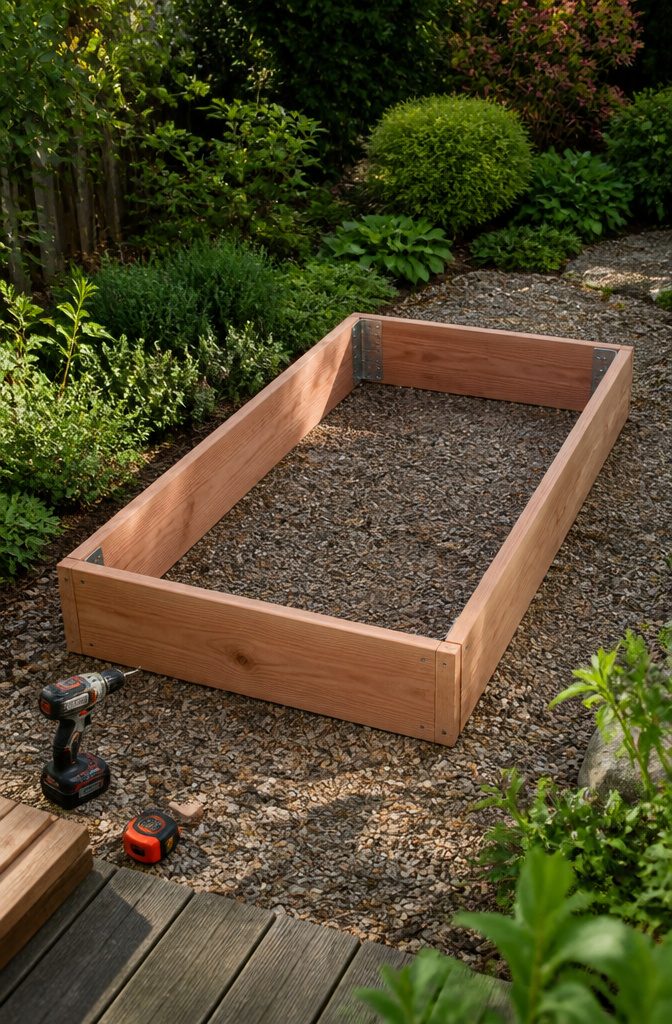
A 4 ft. by 8 ft. frame matches standard lumber lengths, so you cut almost nothing and waste nothing.
That width also lets you reach the middle from either side without stepping in, which matters more than it sounds once the bed is planted.
For corners, you have two paths. Nailing boards to 4×4 posts is the classic method: cheap, sturdy, and done in about half an hour if your lumber is already on site.
The posts extend above the sides by nearly 8 in., which gives you something to drape bird netting or plastic over later. But corners drift out of square easily, and fixing that mid-build costs time.
Raised bed corner brackets skip that hassle entirely.
Slide your boards into the slots and tighten. Most accept standard 2" lumber, though the actual thickness runs a hair thinner, so measure before you buy.
Powder-coated aluminum corners from Gardens Alive won’t rust and take extenders if you want more depth; Gardener’s Supply sells a thinner-profile version with corner caps that look cleaner at the edge.
Oldcastle’s stackable concrete blocks from Home Depot need no hardware at all and hit 2 ft. stacked, though the lines are rougher than I’d want in a visible spot.
Height depends on who gardens.
12–24 inches covers most vegetables and keeps the build simple. For wheelchair users, 27 inches is the comfortable standard, and that extra depth only helps root run.
Fill With Soil
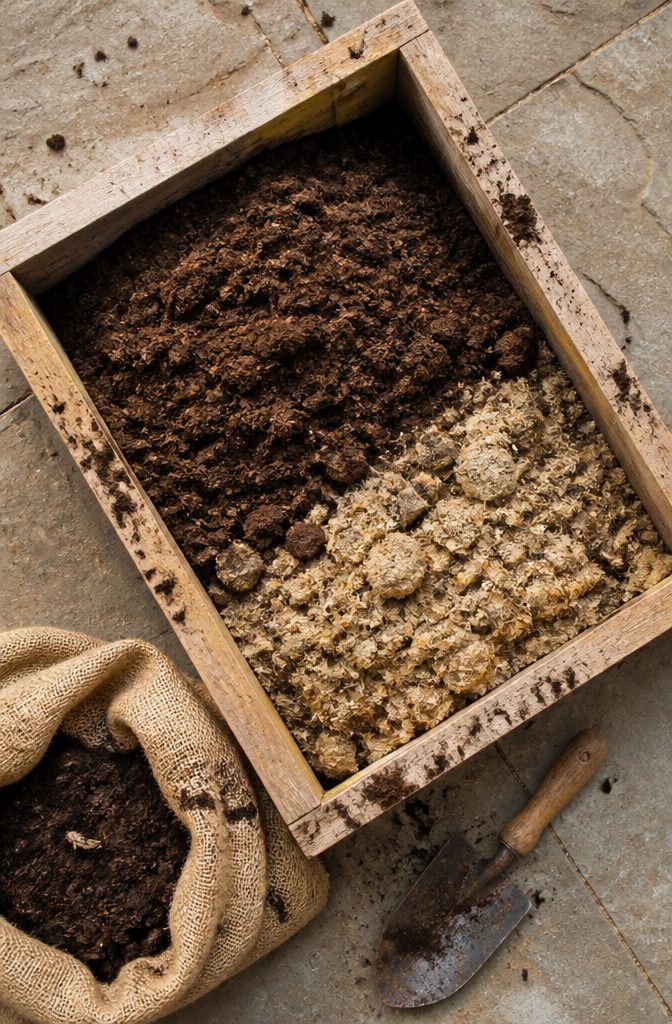
The soil mix in a planter box garden lives in a contained space, so it needs to earn its keep from day one. A blend of roughly two-thirds topsoil to one-third compost gives most beds what they need.
That ratio leaves enough mineral soil to hold moisture and anchor roots while the compost supplies organic matter and the nutrients that feed plants through a season.
Some gardeners push it closer to half and half, which works if the topsoil runs heavy on clay.
In that case, a little sand loosened into the mix helps open the texture. What I would not do is flip the ratio.
Too much compost dries out fast, and once it gets bone dry it can actually repel water instead of absorbing it. The bed becomes a dust bowl that refuses to drink.
Loam or sandy loam topsoil is the material to ask for at the yard.
Bagged "raised bed mix" works if you are buying in smaller volume, but bulk by the cubic yard costs far less for anything over a few boxes.
Skip potting soil entirely. It is formulated for containers and seedlings, and in a planter box garden it drains too fast and leaves roots thirsty.
Manure and composted manure need restraint. Both dump high concentrations of phosphorus into the mix, which plants do not need more of unless a soil test says otherwise.
Water and Plant
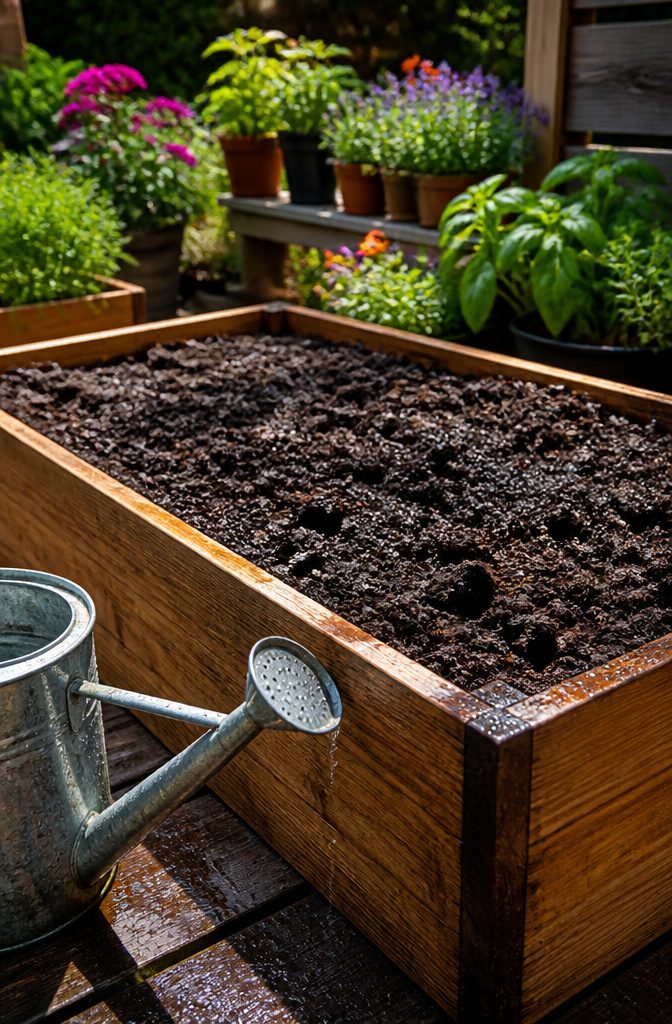
Before you set a single plant in the soil, water the bed thoroughly and let it drain.
Dry soil pulls moisture away from tender roots faster than you would expect, and a damp bed from the start keeps that first week of stress to a minimum.
I wait until water seeps from the drainage holes, then let the bed rest overnight before planting.
Raised beds warm earlier in spring than ground-level soil, which means you can plant tomatoes and herbs a week or two sooner than the calendar suggests for your zone.
That head start matters more than I used to think; the extra growing degree-days stack up through the season, and by August you are harvesting while in-ground gardeners are still waiting on fruit to color.
Tomatoes and herbs are the plants that reward this setup most reliably, since both need the sharp drainage a planter box provides and both hate the cold, wet feet they would get in compacted yard soil.
If you are working with a metal box, the effect is even stronger.
The sides absorb sun and hold that warmth into the evening, keeping roots active longer. The soil dries faster on hot days, so I check moisture with my finger before I assume it needs water.
Wood insulates more, which blunts both the spring advantage and the summer risk. For a first bed, I would take the metal option and just stay attentive.
Why Raised Beds Work
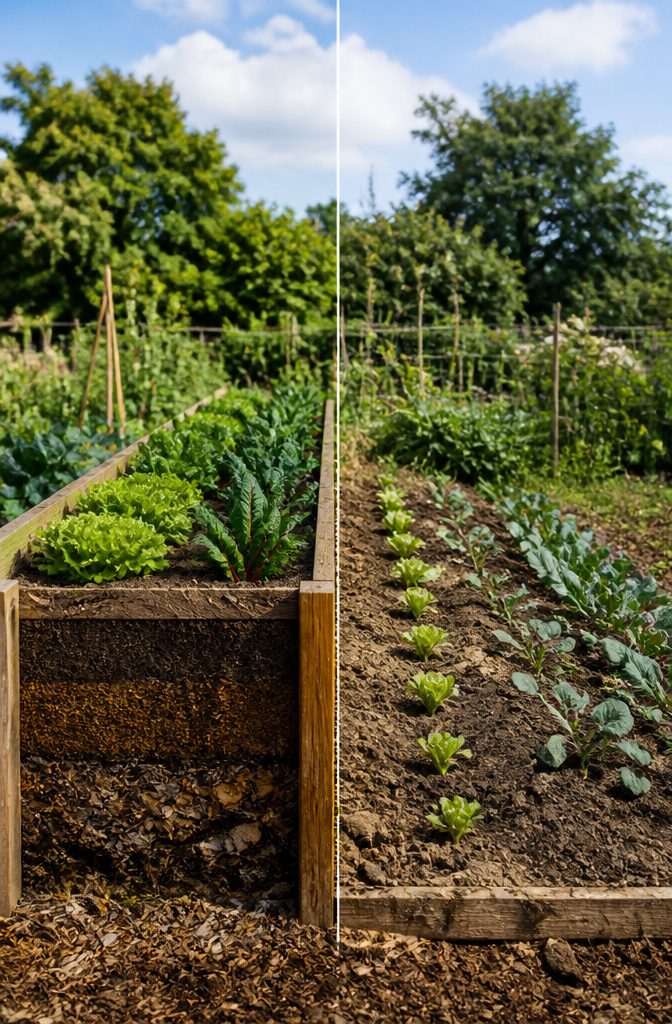
A planter box garden gives you control over the soil from day one.
Instead of fighting whatever compacted clay or sandy mix sits under your yard, you fill the bed with exactly what your plants need. That fresh start is the single biggest reason I would build raised beds for vegetables every time.
The sides warm the soil faster in spring, which buys you weeks on the front end of the season. Metal boxes do this most dramatically, but even wood holds enough heat to let you plant earlier than ground-level beds.
Weed pressure drops too, since you are not inheriting years of buried seed bank, and the clear edge makes it obvious what belongs and what does not.
Accessibility is the benefit I think gets underplayed.
A bed at 18 to 24 inches means less bending, and that matters more with each season you garden. The soil stays loose because nobody walks on it, so roots move freely and water drains through instead of pooling.
I have seen the difference in how lettuce roots fill a raised bed versus the same variety struggling through compacted ground.
You pay more upfront and spend an hour or two building or placing the box. For a weekend project on a few hundred dollars, that exchange has always felt worth it to me.
What the Soil Mix Should Be
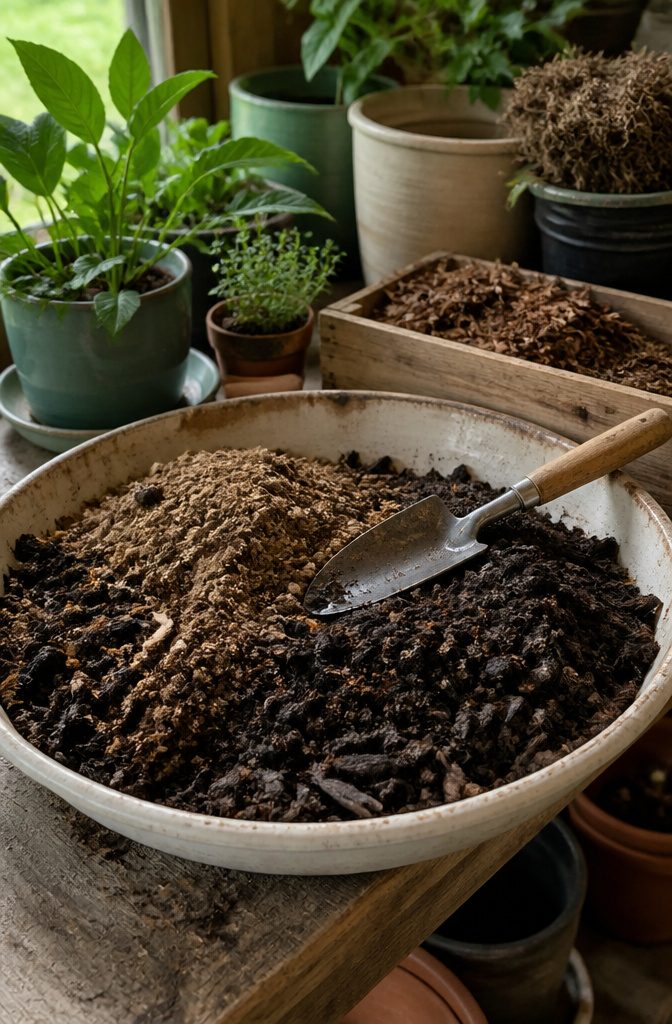
The soil mix in a planter box garden needs to be lighter and more forgiving than what sits in your yard. Aim for roughly half to two-thirds topsoil and one-third to half plant-based compost.
That ratio matters because straight topsoil compacts in a raised frame, starving roots of air, while too much compost dries out fast and can actually repel water once it gets thirsty.
Topsoil with a loam or sandy loam texture wins here. Clay-heavy ground soil holds water like a bathtub, so if that is what you are working with, a little sand loosens the structure.
Skip the bagged potting soil entirely; it is built for containers with solid bottoms, not the drainage a planter box has, and it will dry out faster than you can keep up with.
Manure-based composts load phosphorus into the mix, which is why I would not add them unless a soil test says you need it. For most weekend builds, plant-based compost gives the organic matter and aeration without that risk.
Keep It Watered
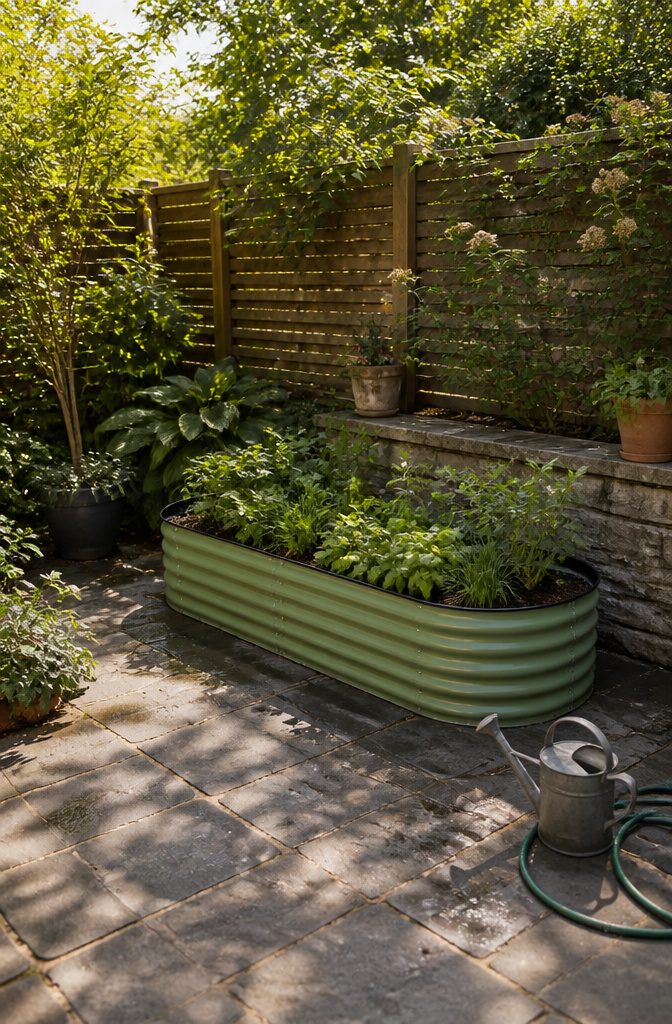
A planter box garden dries out from the bottom up and the sides in, which means you are watering more often than you would a ground-level bed.
The effect gets worse as the bed gets taller; a 2-foot wall exposes more surface area to sun and wind than a 6-inch one, and the soil column drains faster under gravity.
I check mine by pushing a finger to the second knuckle; if it comes up clean, it is time.
Raised beds act as containers, and the soil dries out more quickly than soil in the rest of your yard or garden. The taller the raised bed, the more frequently you need to water.
That frequency is the hidden cost of going tall.
For a bed higher than 2 feet, some gardeners fill the base with sticks and leaves in a hugelkultur layer to hold moisture and cut soil costs, though the material breaks down and settles over time.
I would rather run a soaker hose or a simple drip line on a timer; the $30 to $60 setup pays back in tomatoes that do not stall from uneven water and in mornings I do not spend standing with a hose.
Skip peat or coconut coir as a main fill; they are built for pots, not beds, and they dry faster than soil. Peat carries its own environmental weight.
Frequently Asked Questions
What materials are best for raised garden beds?
Cedar or redwood lasts 15–20 years untreated and gives you a comfortable 16½-inch seat height if you stack three 2×6 boards.
Galvanized steel matches that lifespan and assembles faster, though thin-gauge sets wear out quickly and full sun can overheat soil at the edges.
Cinder blocks cost the least per linear foot and last indefinitely, while fabric grow bags work for renters but only hold up 3–5 seasons and dry out faster than solid sides.
How deep should a raised garden bed be?
12–24 inches covers most vegetables and keeps construction simple.
A 4-foot width lets you reach the center from either side without stepping into the bed and compacting soil. For wheelchair users, 27 inches is the comfortable standard, and the extra depth only helps root development.
How do I prevent weeds in my raised bed?
Landscape fabric on the bottom and up the sides blocks weeds from below while letting water drain through.
On hard surfaces like patios, a liner is almost required to keep soil from washing out in heavy rain. Skip plastic sheeting entirely; it traps water, rots roots, and defeats the drainage advantage of raising the bed.
What are the best plants to grow in raised planter boxes?
Tomatoes and herbs reward raised beds most reliably because both need sharp drainage and hate cold, wet feet. The soil warms a week or two earlier than ground-level beds, giving you extra growing degree-days that stack up through the season.
Metal boxes amplify this effect by absorbing and holding warmth, though they also dry out faster on hot days.
How do I build my own garden boxes?
A 4 ft. by 8 ft. frame matches standard lumber lengths so you cut almost nothing.
For corners, either nail boards to 4×4 posts or use raised bed corner brackets that slide boards into slots and tighten. Level the ground first; a bed set on a slope drains unevenly and warps the joints where boards meet.
How to fill a planter box cheaply?
Buy bulk topsoil by the cubic yard instead of bagged mix for anything over a few boxes.
A blend of roughly two-thirds topsoil to one-third compost gives most beds what they need without the premium price of bagged "raised bed mix."
Some gardeners fill the base of tall beds with sticks and leaves in a hugelkultur layer to cut soil costs and hold moisture, though the material settles over time.





