
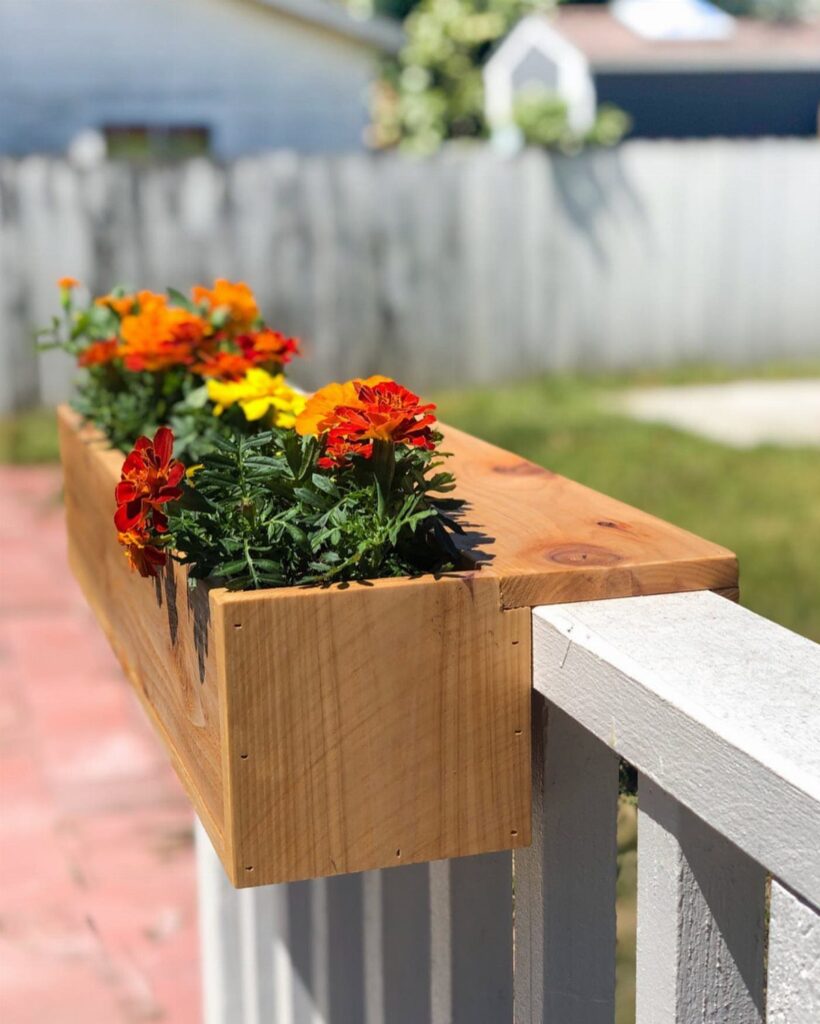
Planter boxes in this list run from a straw bale you replace each season to galvanized steel and concrete that outlast your lease, and the one that belongs in your space depends on whether you need to move it before the next project or plant for permanence.
A cedar box with its own arched trellis saves you from drilling into siding, while a deck railing planter buys back floor space with nothing more than a bracket sized to your rail width.
[link-whisper-related-posts]1. Tiered Planter Box
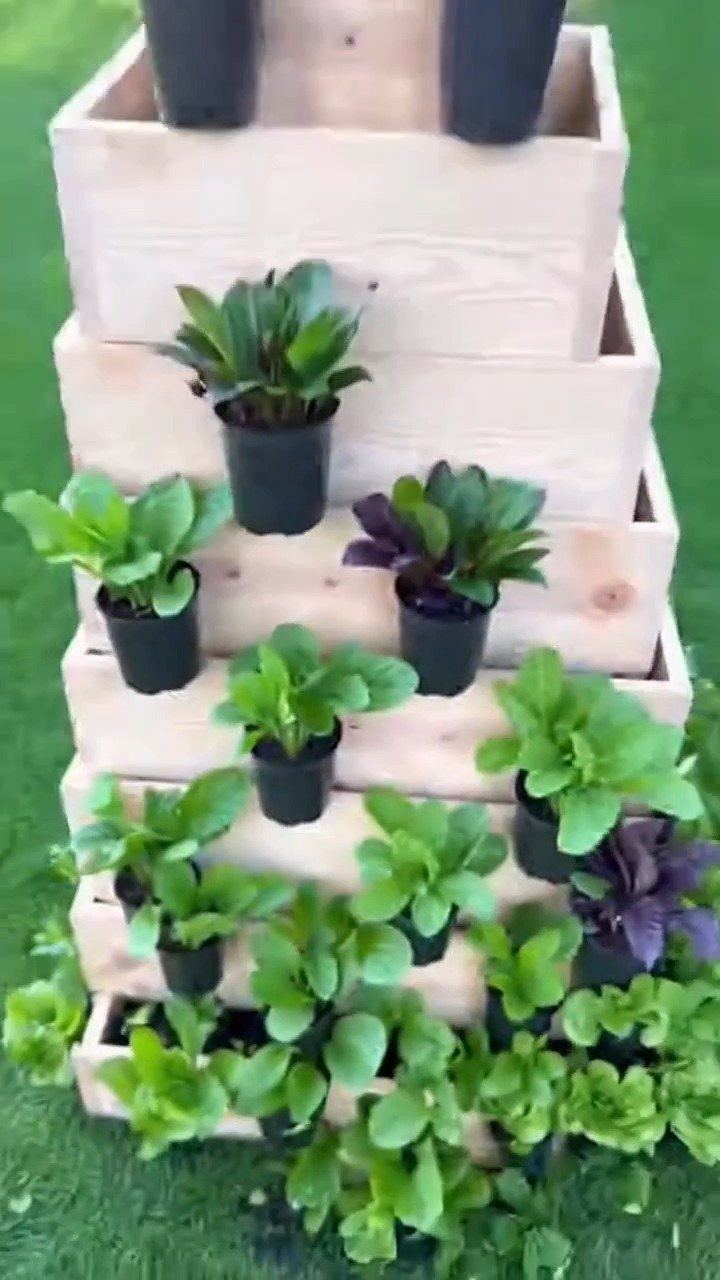
Stacked levels let you grow more in the footprint of one pot. A pyramid of unfinished wood shelves, each holding a small plastic nursery pot, tells me the builder sized every tier to catch runoff from above.
Before you cut anything, decide whether you want wheels.
A planter this tall catches wind, so mobility matters unless you stake it. I would stain the inside faces where water pools, or line each shelf with pond liner scraps; raw plywood turns to mush in 2 seasons otherwise.
2. Deck Railing Planter
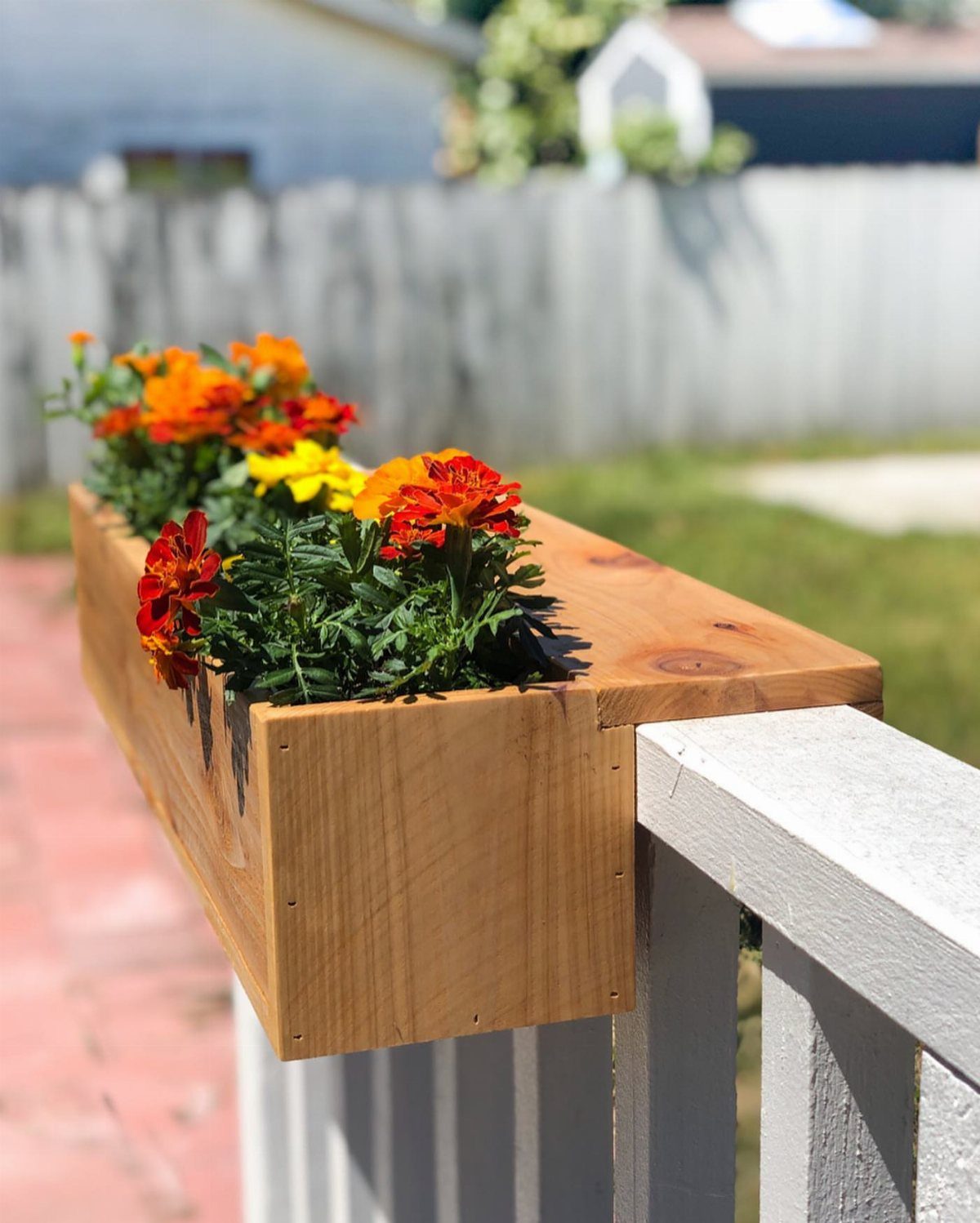
A box that hooks over your railing buys back floor space you did not think you had.
Simple cedar with a cleat straddling the top rail and a small bracket underneath; that two-point grip keeps it from tipping when soil gets heavy.
Check your railing width before you buy or build. Rail widths vary, and a hook made for the skinny end will rattle loose on a beefier one.
I would add a single screw through the bracket into the post if your railing allows it; the peace of mind is worth the small hole to patch later.
3. Cedar Planter Box
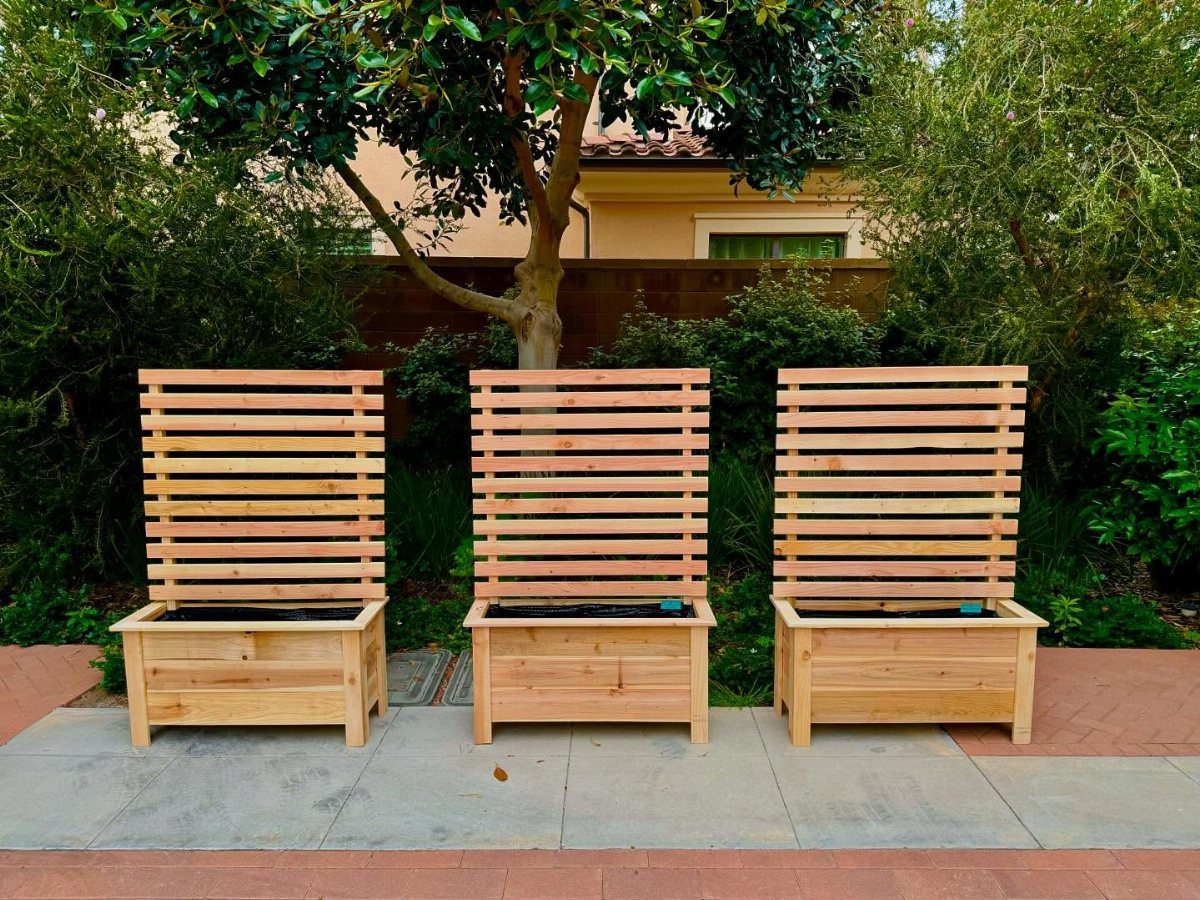
These 3 boxes carry their own trellis, so tomatoes or clematis have somewhere to go without your drilling into siding.
The wood is left natural, which I like on cedar; the tannins do their own weatherproofing for a few years before you need to oil.
What you are paying for in cedar is rot resistance without pressure treatment. Heartwood grades last longest, and the pale sapwood you sometimes see streaked in is softer, more porous.
4. Corrugated Steel Planters
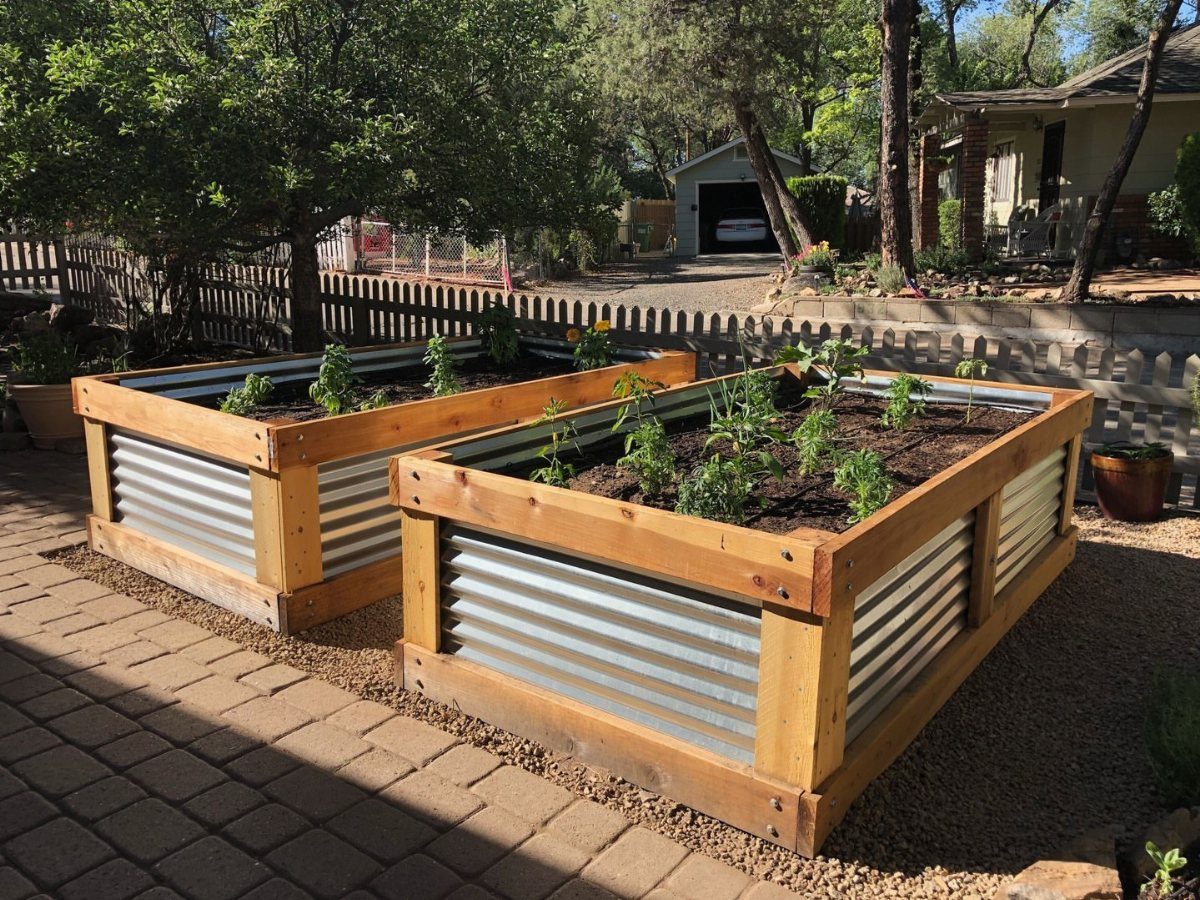
Galvanized ribbing on the outside, wood frames on top to rest your arms while you weed.
The industrial look reads modern farmhouse, but the real benefit is the steel: no termites, no rot, and the soil warms faster in spring than wood alone.
The wood rim here is structural; it holds the corrugated sheets square and gives you something to Fasten a liner against.
I would use cedar or ground-contact pine for that frame, and a double layer of landscape fabric or a proper EPDM pond liner to keep soil from abrading the zinc coating where it folds corner seams.
5. Lattice Planter Box
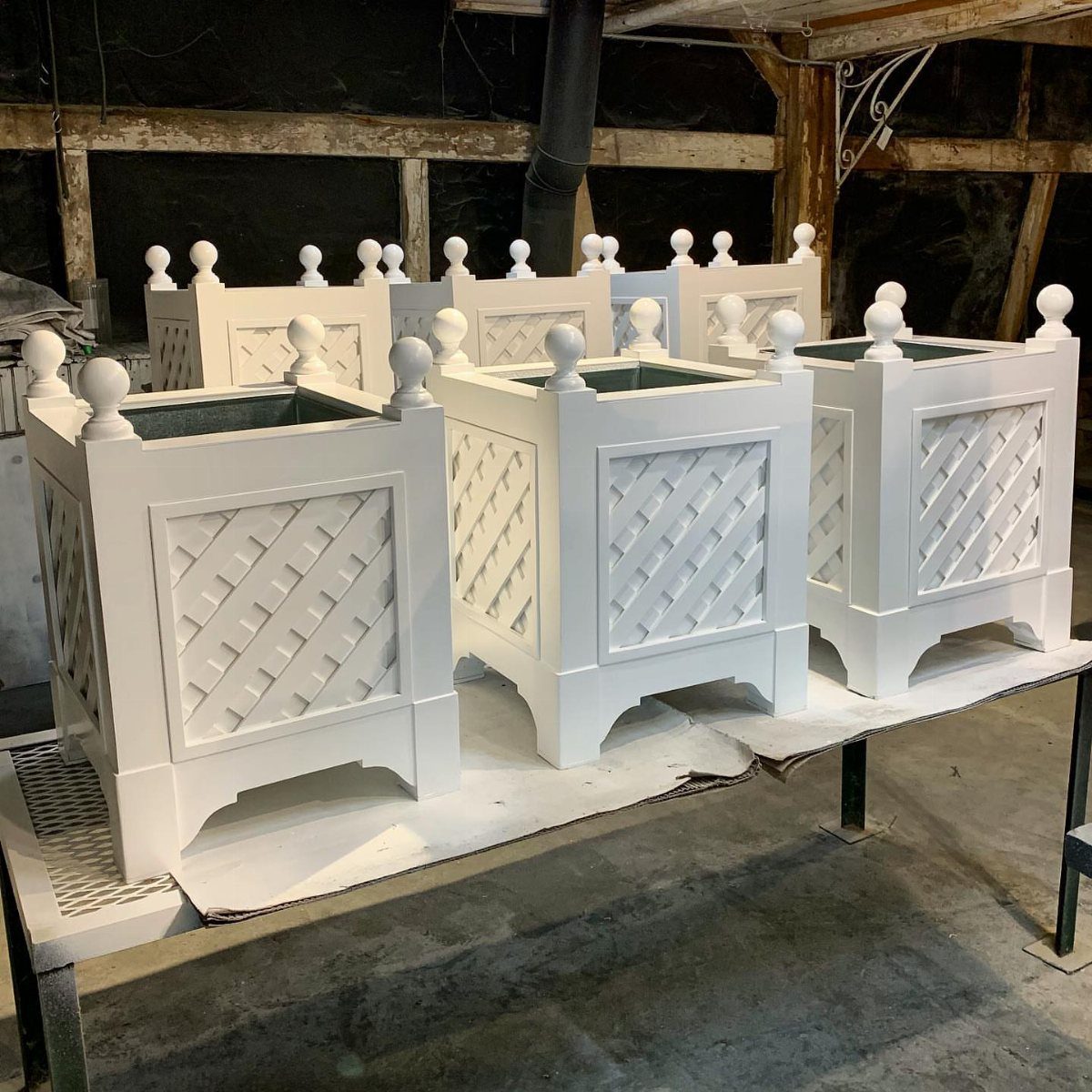
Openwork sides on a planter box serve no structural purpose, but they hide plastic liner and give vines a head start before they reach the trellis.
Painted poplar or pine, already primed white, with turned finials; that tells me these are meant to read as furniture, not utilitarian boxes.
Painted wood in a planter dies young unless you seal every end grain and keep soil clear of the lattice.
I would run a solid box inside for dirt, treat the lattice as a sleeve, or plan on repainting on a regular schedule. The finials are optional; without them the shape still works.
6. Potato Planter
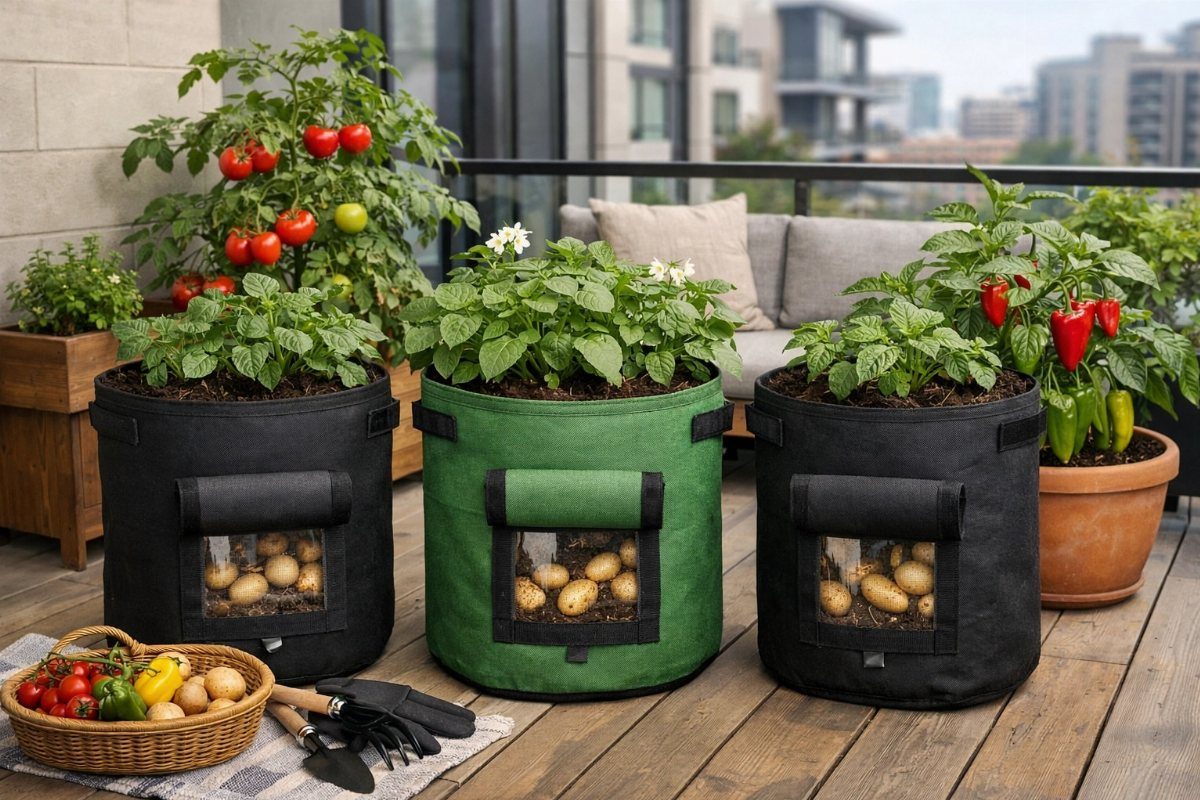
Fabric grow bags with a flap window let you check progress without dumping the whole container.
The window is a nice gimmick, but potatoes set fruit deeper than that flap usually sits. I would plant in layers, adding soil as stems grow, and treat the window as early intelligence rather than the main harvest gate.
7. Straw Bale Outdoor Planter Box
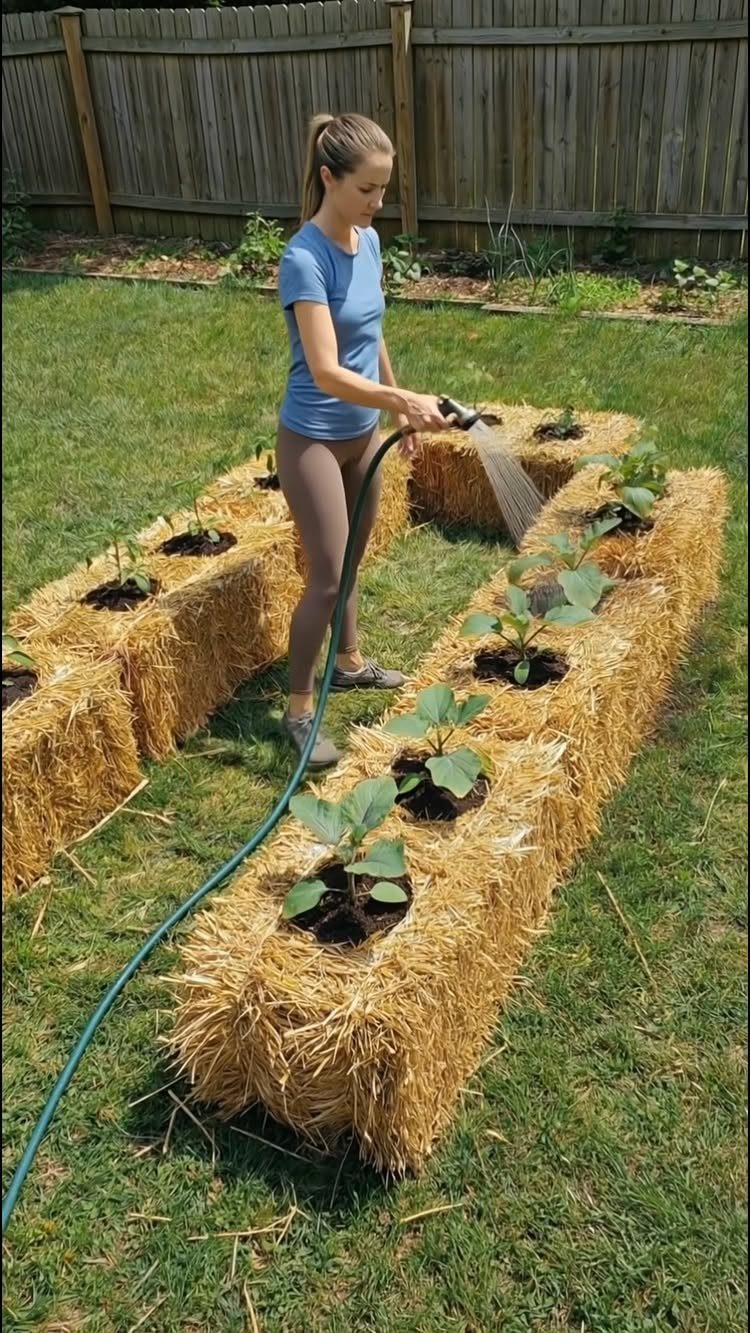
Conditioned straw bales become the soil itself, no box needed. A U-shape catches sun from 3 sides and lets you reach every plant without stepping in.
Start with straw, not hay; hay carries seed that becomes weed pressure you do not want. You will need to water and fertilize the bale for about 10 days before planting so the interior begins to compost and heat.
I would set this on cardboard first to kill the grass underneath; the bales weigh enough to stay put once wet.
8. Planter Box with Arched Trellis
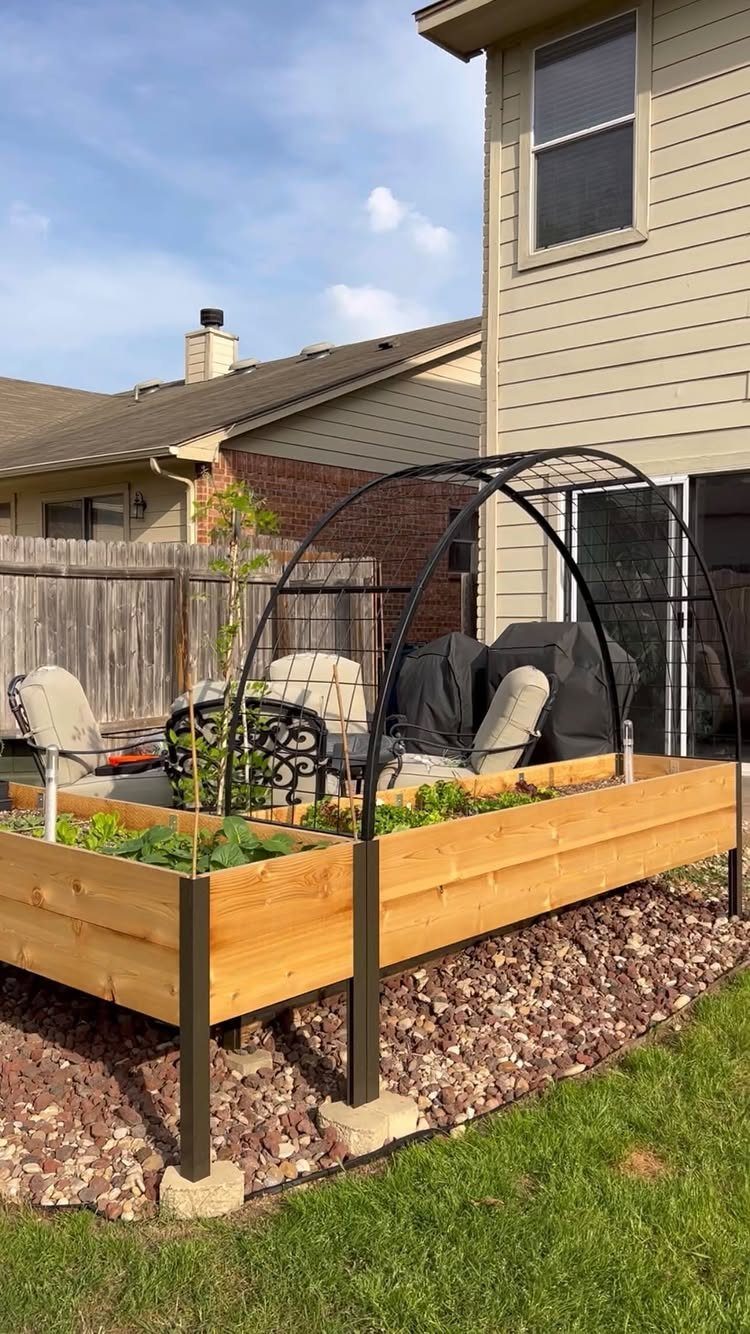
The arch turns a single box into a doorway of green, which is why this shape shows up in backyards more than on balconies.
Black metal rod or thin wall tubing, bent and powder-coated, resists rust without the bulk of wrought iron.
The wood box here is standard raised-bed construction; what you are deciding is whether to buy the arch as a kit or bend your own.
Kits bolt to the box corners and stay put in wind; a homemade version needs cross-bracing or it will rack sideways by August.
I would check that the arch height clears your head with vines mature; the crown needs more clearance than you think.
9. Concrete Balcony Planter Boxes
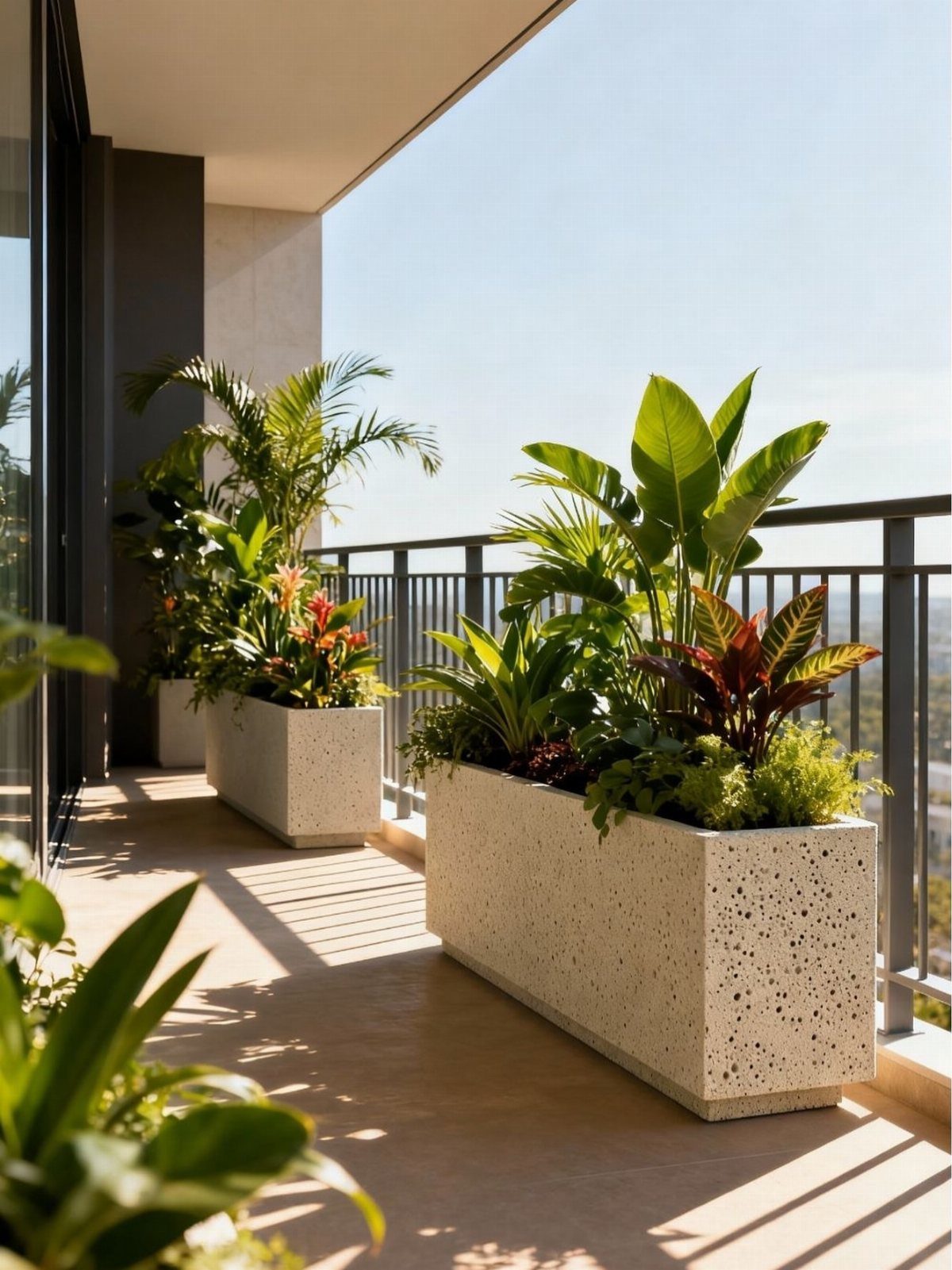
Massive troughs like these need a balcony built for the load, which means checking with your building before you dream too far.
The textured finish reads stone but is almost always glass-fiber reinforced concrete, lighter than poured by half and still heavy.
Tropical plants in full sun want consistent water, and concrete dries soil faster than wood.
I would plan for drip irrigation or commit to daily checks in July. The long rectangle shape suits a railing line, but leave enough width clear for passage and code compliance on most high-rise balconies.
10. Raised Vegetable Planter Boxes
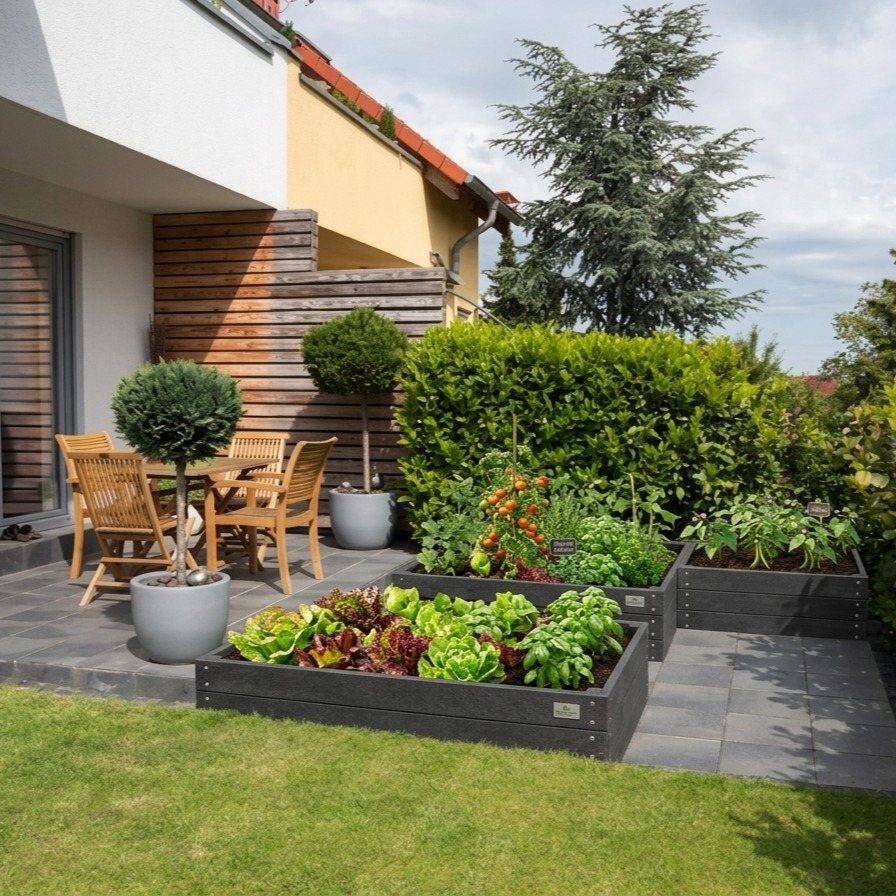
Dark grey composite or powder-coated aluminum boxes read as furniture from the patio side and keep vegetables at a back-friendly height. The modern backyard here treats them as part of the hardscape, not an afterthought.
Leafy greens want shallow soil; tomatoes need more, and the box depth should match what you plant.
I would group shallow-rooted crops in one box and deep in another rather than mixing, which lets you customize soil and water per box.
The dark color absorbs heat; in a hot climate that means faster spring growth and more afternoon water attention.
11. Dark Metal Planter Box
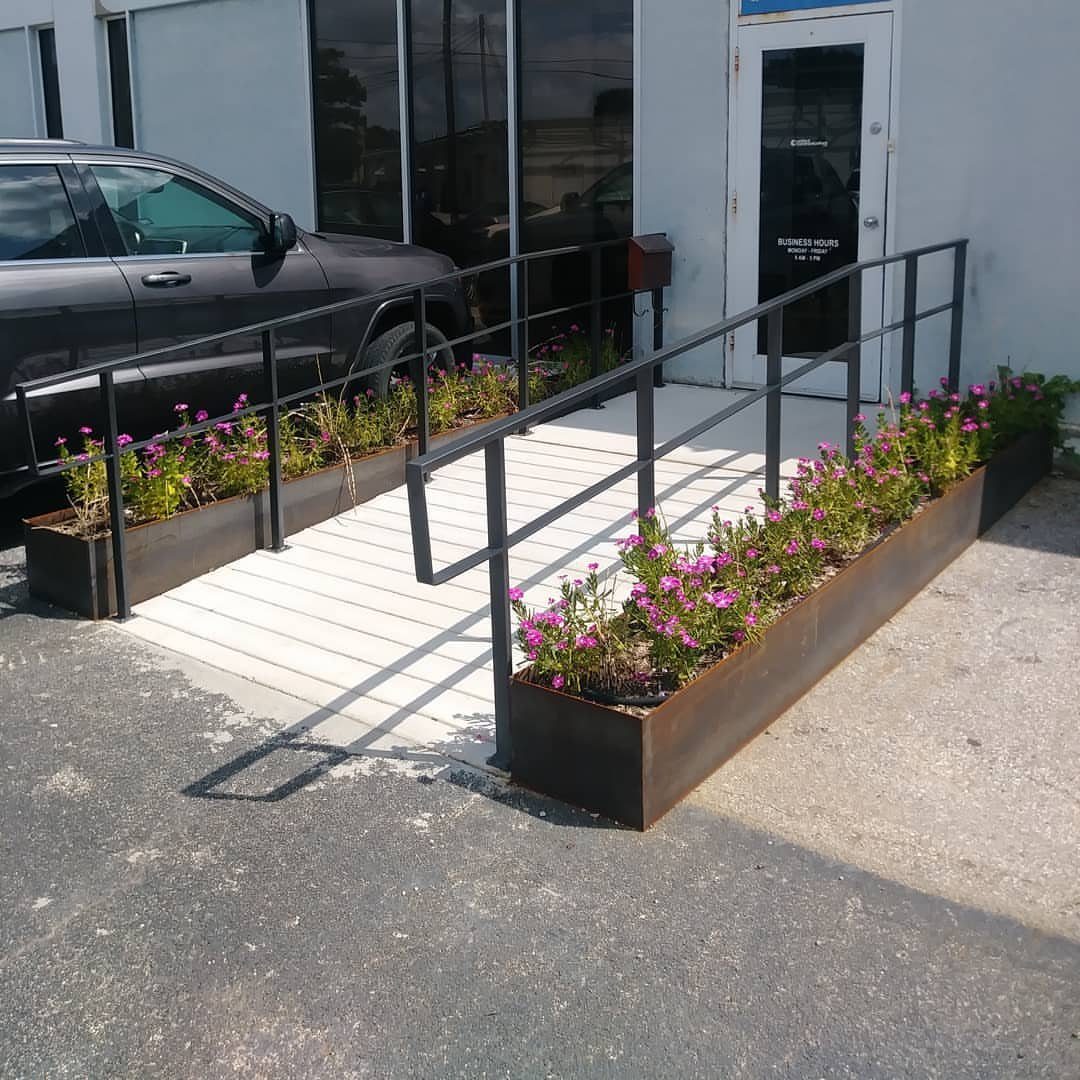
Long low boxes suit linear spaces: ramps, railings, building perimeters where a row of color reads as design, not gardening. The powder-coated steel here is probably aluminum underneath, light enough to ship and set without equipment.
Drainage is the detail that kills these.
Small holes in the bottom plate clog with root mass; I would ask for a false bottom or plan to drill additional weep holes before filling. In a home installation, choose plants that tolerate a slight miss now and then.
12. Galvanized Bucket Planters
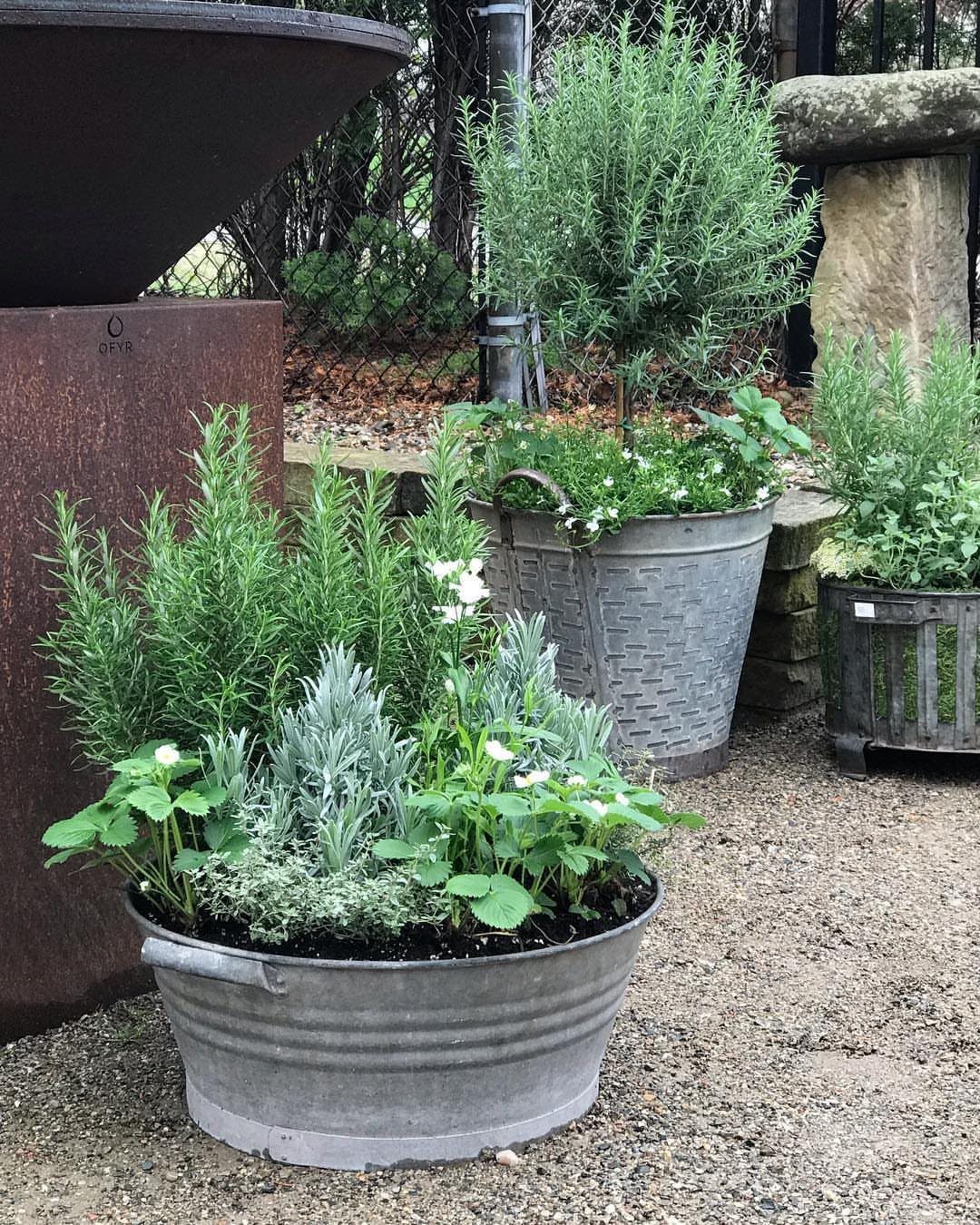
Farm salvage becomes patio texture when the sizes vary and the flowers stay simple. Herbs in metal stay warmer than in clay, which speeds growth in spring and stresses roots in a July heat wave.
Drainage means drilling, and galvanized steel work-hardens fast; use a step bit and go slow or the dent becomes a tear.
I would set these on a grate or spaced pavers, not directly on gravel over soil, or the ring rusts through from below in 2 seasons.
The rusted fire feature nearby tells me this garden accepts patina; if you want shine, clear coat the outside yearly.
13. Classic Wooden Patio Planters
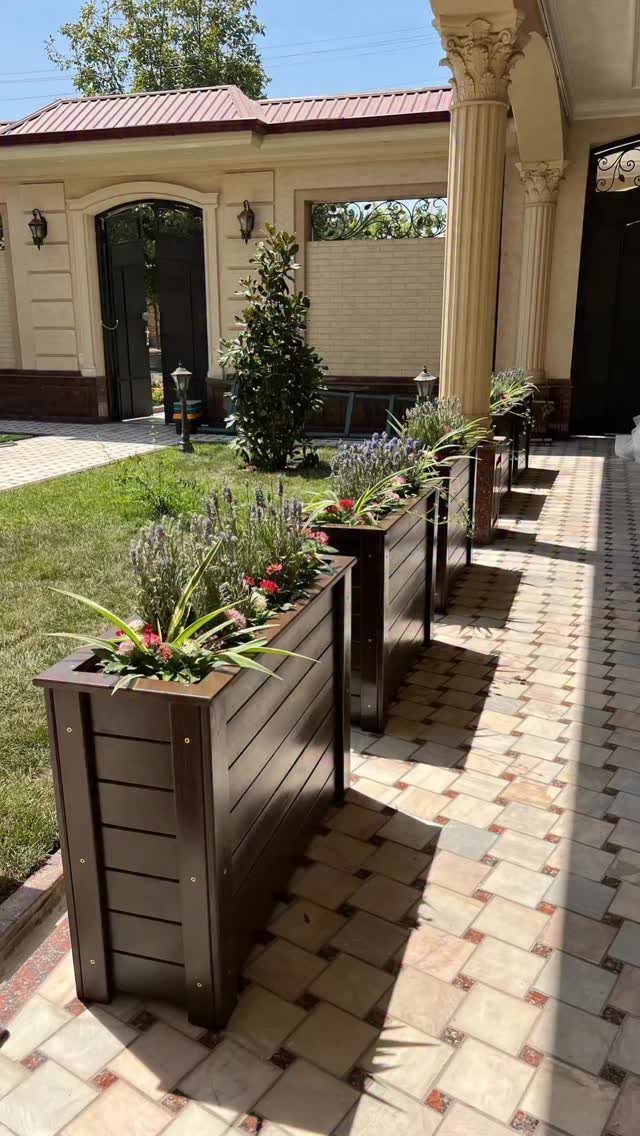
Tall rectangular boxes in a dark stain turn a walkway into a garden room without breaking ground. The height puts lavender at nose level, exactly where you want it for the scent.
Solid wood this size gets heavy fast; empty, each box probably needs a second set of hands to shift.
I would check that the tiles underneath slope for drainage, or raise the boxes on half-inch shims so water does not pool and stain the stone.
The dark finish will silver to grey on its own unless you keep re-oiling; I would let it weather and call the change free character.
Choosing Materials for Planters
Cedar and redwood earn their place in planter construction because the natural tannins and oils resist rot without pressure treatment.
Some planters need a liner between soil and sides, and some don’t, which is why material choice matters from the start.
Thick plastic sheeting holds up fine outside if you give it holes at the bottom before adding soil; without them the roots drown.
Without this barrier, constant moisture against cedar will eventually overwhelm even its defenses, and metal rusts from the inside out where you cannot see it until the wall fails.
Pine and softwoods rot fast enough that I would only use them for a season or two, or for a project you plan to replace anyhow.
A cedar box built from fence pickets stays small enough to keep the material bill reasonable and the cuts beginner-friendly.
The wide lip matters more than it looks: it gives you a place to rest your hands while working soil, and it stiffens the box against bowing.
Watering and Drainage Tips
Weed barrier under the box saves more labor than almost any other step. Landscape fabric stapled to the inside walls, with plastic sheeting underneath, stops perennial roots from below and seeds from germinating against the wood.
Weeds will still arrive on wind, but the ones that come up through the bottom are the ones that break your back.
Drainage starts at the base. Concrete, wood, or metal, it does not matter which you choose; water that sits kills roots and rots structure alike, so holes are non-negotiable.
Self-watering means drip irrigation or hand-watering on a schedule you will actually keep.
Drip lines suit balconies and rows of boxes; hand-watering lets you spot trouble early. Either way, check the soil surface daily in July; heat dries containers faster than in-ground beds.
Plant Selection Advice
Match the box to the plant’s needs, not the other way around.
Acid yard soil locks out lavender, lilac, and Euonymus; a planter lets you mix alkaline soil and place them where they thrive.
Water-lovers like calla lilies want cool, moist compost with their heads in sun; that combination is hard to achieve in ground but simple in a pot you position and layer correctly.
Cool shade favors ferns, hostas, and foam flower; tomatoes and pumpkins in full sun will stretch and fruit poorly if they are short on light. Planters move before planting, not after roots establish.
Frequently Asked Questions
How to fill a planter box cheaply?
Layer straw, wood scraps, or empty plastic containers in the bottom third to cut soil volume without adding weight that makes the box impossible to move.
These materials also improve drainage and eventually break down into compost. I would skip fillers entirely in anything under 18 inches deep, where every inch of soil matters to root development.
Are planter boxes worth it?
Yes, especially where your yard soil is wrong for what you want to grow. A planter lets me mix alkaline soil for lavender or create cool, moist conditions for calla lilies regardless of what my ground is made of.
Raised construction also saves my back and knees, though the initial build or buy costs more than planting in place.
Can you put cardboard at the bottom of a planter?
Yes, and I would lay it under a straw bale planter specifically to kill the grass underneath before setting the bales down.
Cardboard breaks down too fast to serve as a long-term weed barrier inside a wood or metal box; for those I staple landscape fabric to the inside walls instead.
Once soaked through, the cardboard breaks down fast, but by then the bales have settled in and aren’t going anywhere.





