
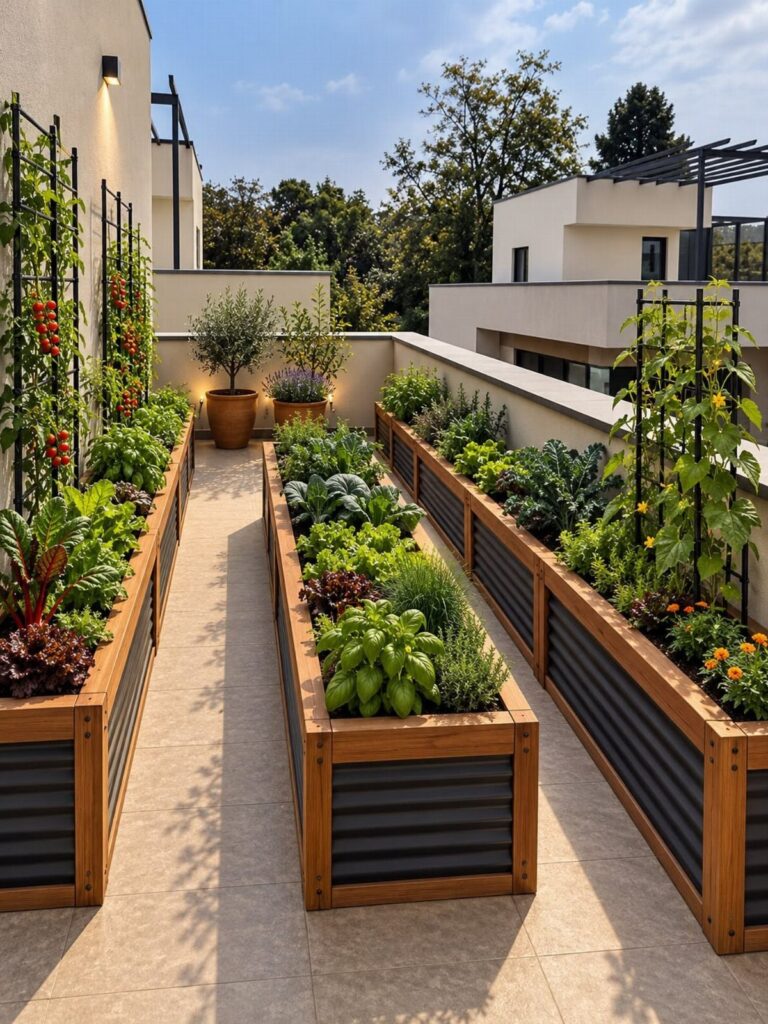
These raised garden bed ideas run from cedar you order by the board foot to corrugated metal and cinder blocks you haul home yourself, and what I would pick depends on how long I plan to stay put and how much I want to spend.
If you need to roll your garden inside come November, nothing else matters; start with grow bags or a wheeled planter and skip the cinder block.
Cedar beds, corrugated metal troughs, and cinder block builds all need me to think about drainage before I fill them, because water that sits in soil turns a bed into a planter full of soup.
[link-whisper-related-posts]1. Cedar Garden Beds
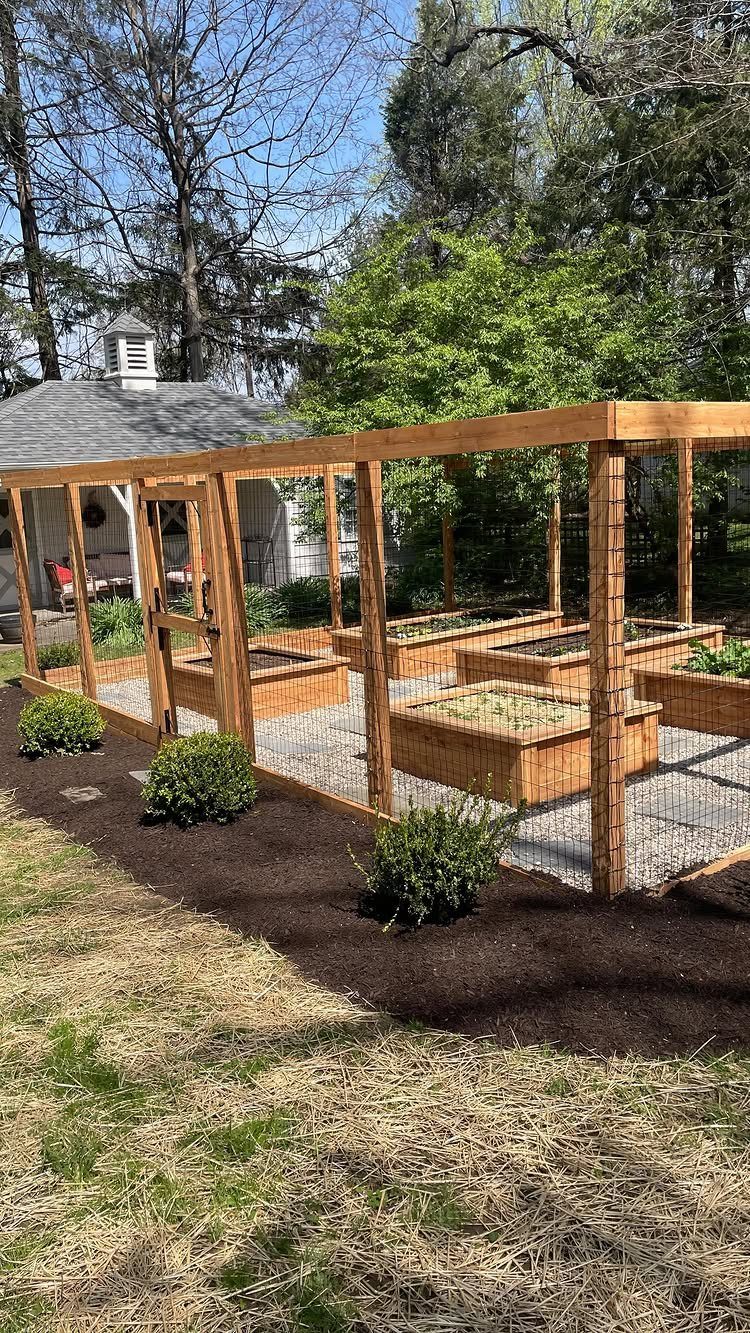
Cedar weathers to a soft silver-gray if you leave it bare, or stays warm-toned with a penetrating oil finish refreshed every couple of years.
I like cedar for the smell and the fact that it resists rot without pressure treatment, which makes it my pick for growing anything that touches the soil directly, root vegetables included.
Check that your lumber is heartwood, not sapwood; the pale outer wood rots faster and often ships mixed in.
A full 2-inch nominal thickness holds soil pressure across the widest span I’d build before adding a center brace, so measure your stock and plan braces if you’re going wider.
Budget for lumber by the bed size you need, more if you line the inside with hardware cloth against gophers.
2. Raised Planter Trellis Box
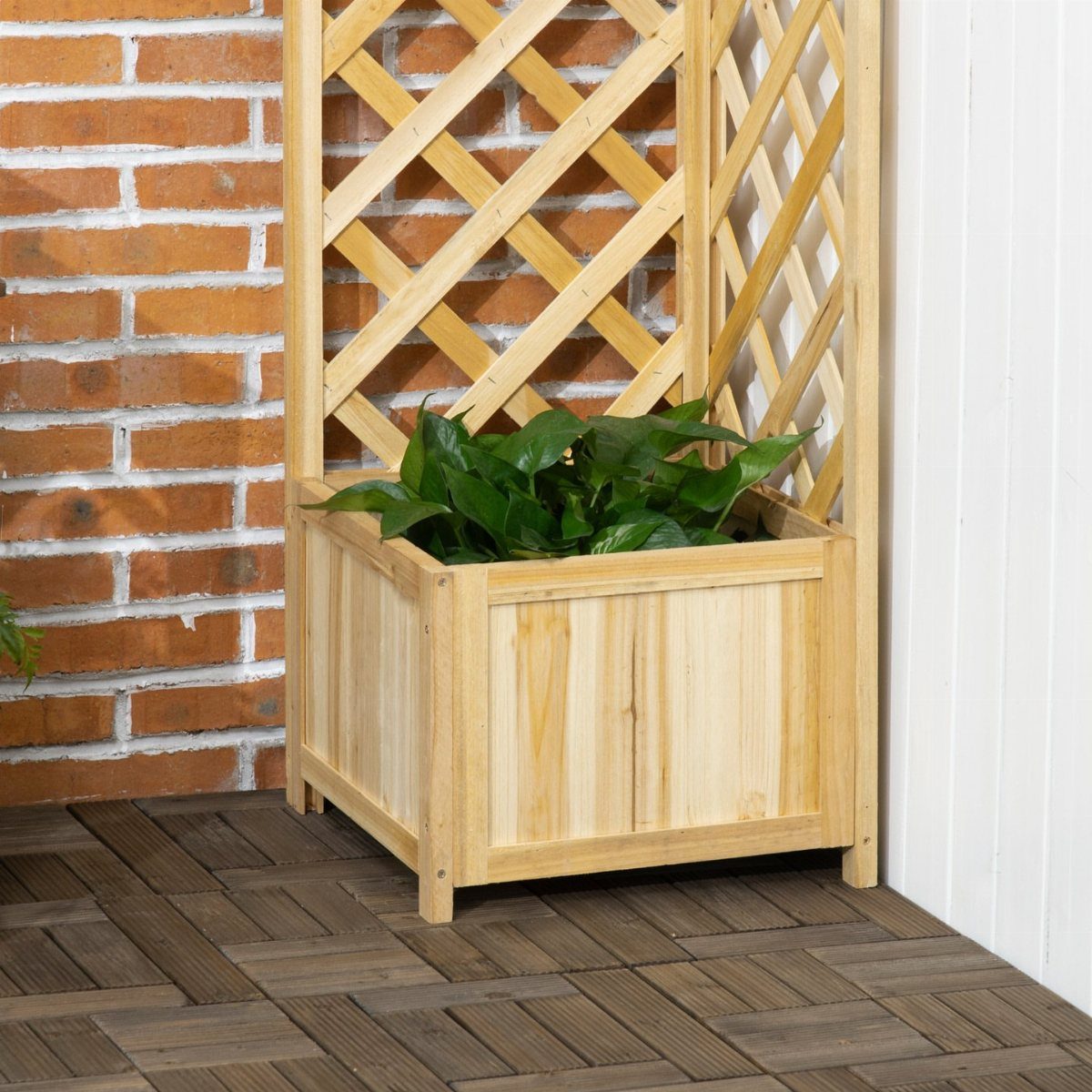
A planter trellis box saves you from installing both separately, and the lattice gives cucumbers or pole beans something to grab before they start grabbing each other.
Set the box on a few half-hidden bricks or a gravel pad so the base doesn’t sit wet; if you’re on patio tiles, you’ve already got drainage underneath.
Light wood like this is probably a softwood frame, which means checking every spring whether the screws at the trellis joint have loosened from the weight of mature vines.
Angle the trellis back so the load pushes into the box rather than pulling away from it; even a slight lean changes how the stress runs.
That single adjustment changes whether you’re fixing wobble in a few years or getting a solid decade.
3. Vertical Garden Planter
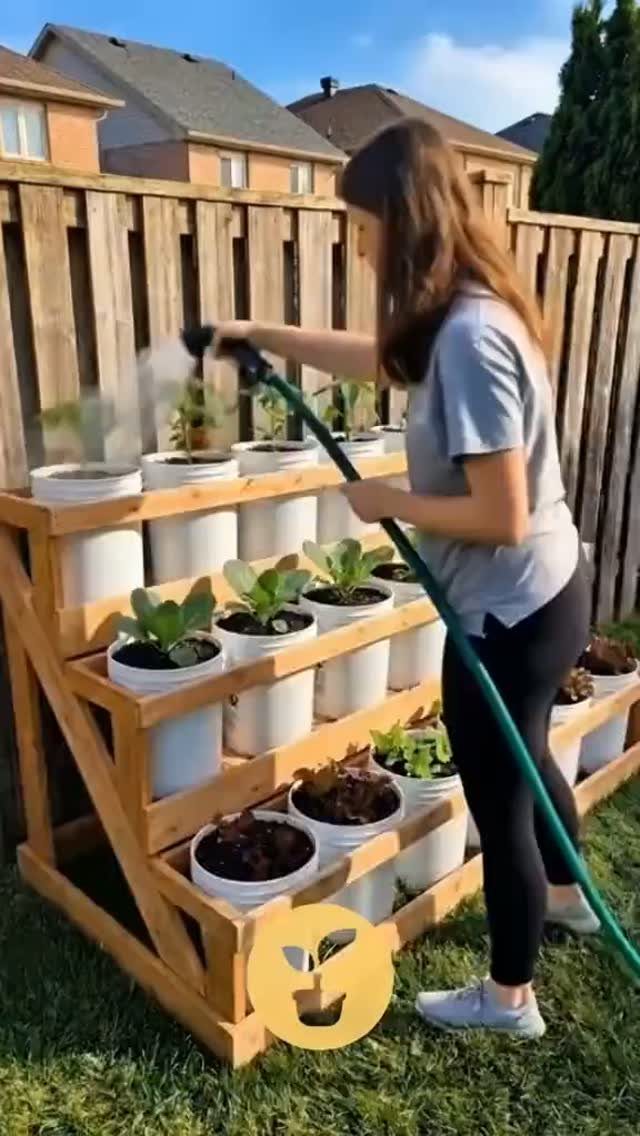
Stacking planters upward works when your horizontal square footage is a patio, a balcony railing, or that strip of side yard where nothing else fits.
Buckets set into a tiered wood frame keep the soil weight distributed and let you water the top tier without everything below getting drenched runoff.
Each bucket needs a hole; melt one with a heated pipe or drill carefully, since brittle plastic cracks.
I think the weakest point in these builds is the legs, especially on grass where moisture wicks up and the feet rot first.
Paint or seal the bottom of the legs, or set the whole unit on a paver. Frequent watering is non-negotiable with these; exposed small pots dry out fast in afternoon sun.
4. Self-Watering Raised Garden Bed
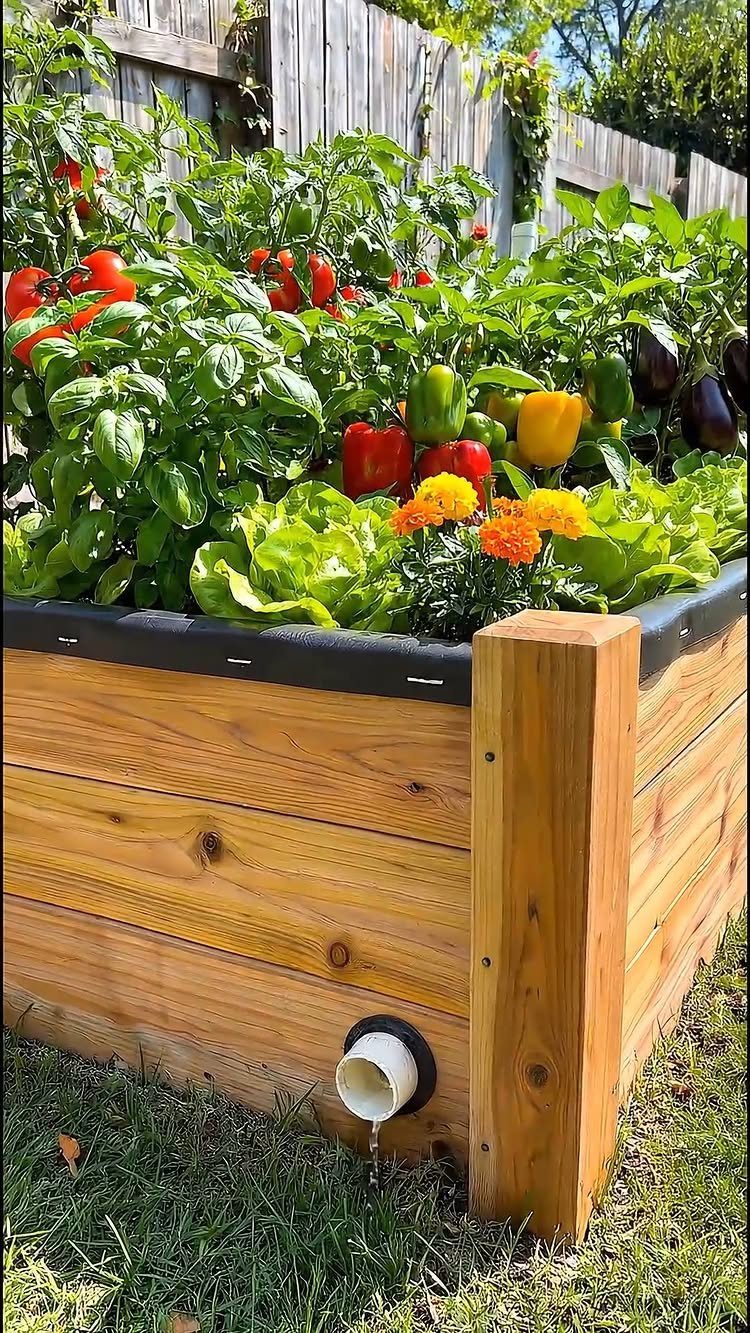
A self-watering bed stores water below the soil in a reservoir, then lets the mix wick it up through a fabric liner or a fill tube.
The PVC pipe is the overflow, set low enough that roots don’t drown but high enough to hold a useful reserve between rains.
I would build the reservoir with a false bottom of corrugated plastic drainage pipe wrapped in landscape fabric; the void holds more water than a flat gravel layer, and the corrugations keep it from collapsing when soil goes in.
The catch is startup cost and complexity. A basic wood box is the cheap part; adding the liner, fill tube, and reservoir hardware pushes the price up and eats most of a Saturday fitting parts.
For me that trade pays off if I travel during peak summer, or if the bed sits distant from a hose spigot. Otherwise a soaker hose on a timer gives most of the convenience without the build.
5. Grow Bags
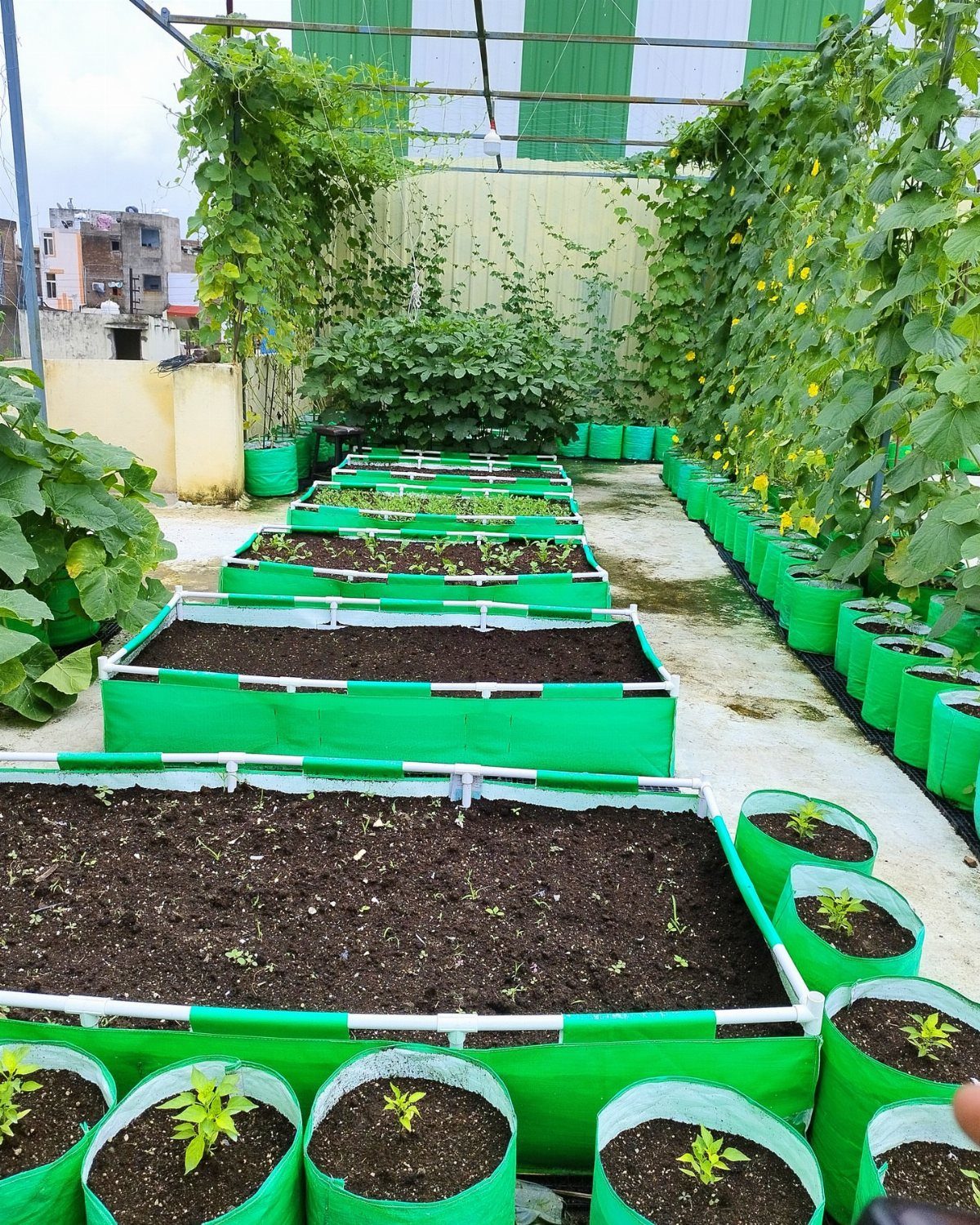
Fabric grow bags are what I hand to anyone who says they want a garden but rent their place or only have a rooftop access door.
Grow bags are made of breathable fabric, so their roots get more oxygen than in plastic containers.
That means you can keep tomatoes or peppers productive in a 10-gallon bag that would choke them in a hard-sided pot of the same volume.
PVC frames support rectangular beds made from the same material. Buy bags with reinforced handles; you’ll move them to chase sun, or to stack in a garage over winter.
2 cautions: the fabric wicks water to the outside, so these need more frequent watering than a glazed ceramic pot, and dark colors heat up in direct sun.
6. Cinder Block Raised Beds
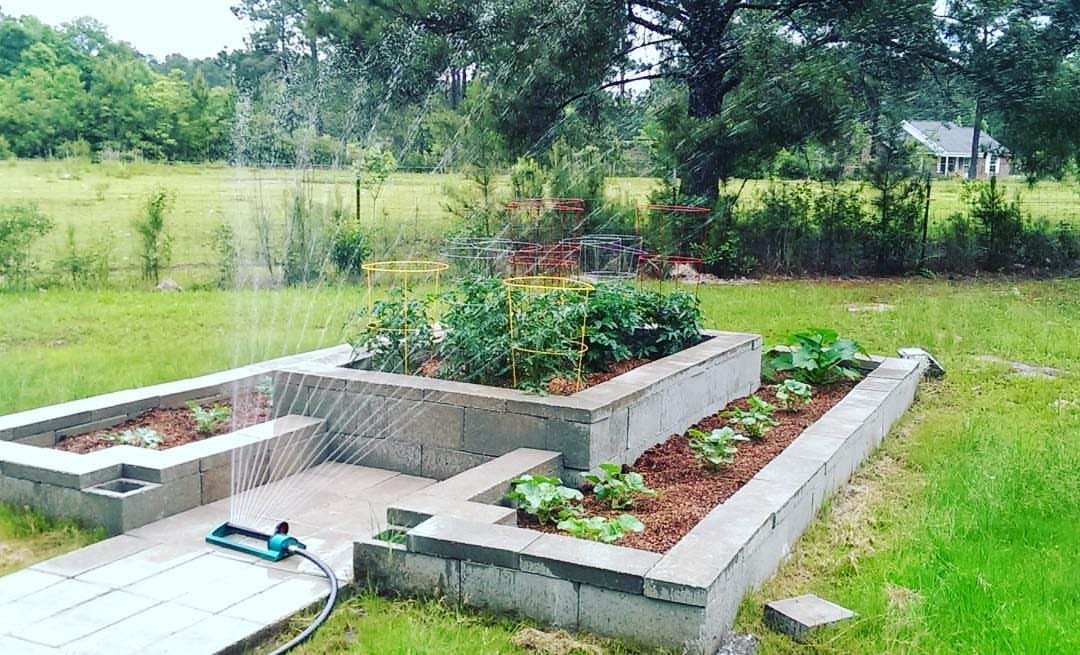
Cinder block beds look industrial until the plants spill over and soften the edges, and they go up in an hour without cutting lumber.
You can fill the block cores with soil and plant herbs in the holes, or leave them empty for a lighter build.
Concrete heats up in sun and holds that heat into the evening, which advances your season by a week or two in spring but can cook roots in a southern July.
I would line the inside with cardboard to start, then pull and replace it with a proper 2-mil food-grade plastic liner once the soil settles.
You’ll need consistent water to keep the block from sucking moisture sideways out of the root zone; these beds dry out faster than in-ground soil.
7. Raised Garden Beds with Corrugated Metal
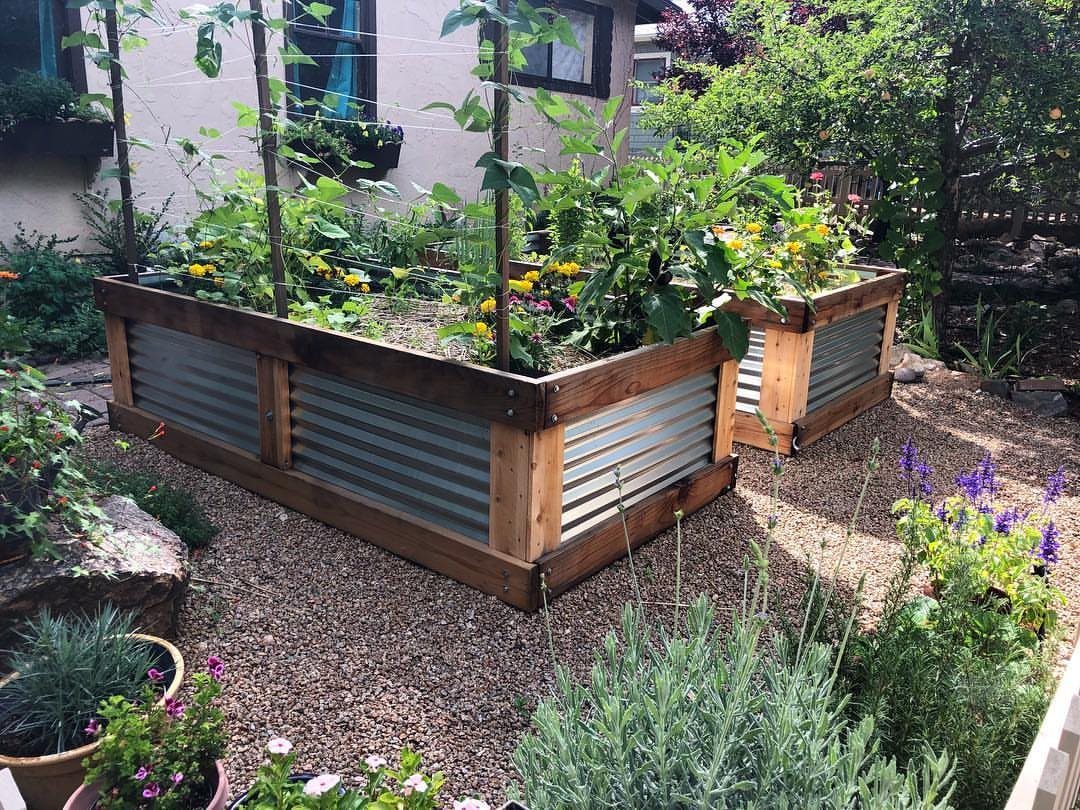
Corrugated metal sides give you deep, clean planes that reflect heat and shed water off the exterior.
The wood frame you see carries the soil load at the corners; the metal just faces it, so you can go taller than solid wood without the weight or cost.
I would check that the metal is galvanized or has a weathering-steel finish; raw steel rusts through in a couple of seasons and stains anything it touches.
A 2-inch top cap, screwed down, covers the saw-tooth upper edge; that edge is sharp enough to split a hose or a knuckle if you leave it bare.
8. Pallet Wood Raised Garden Bed Boxes
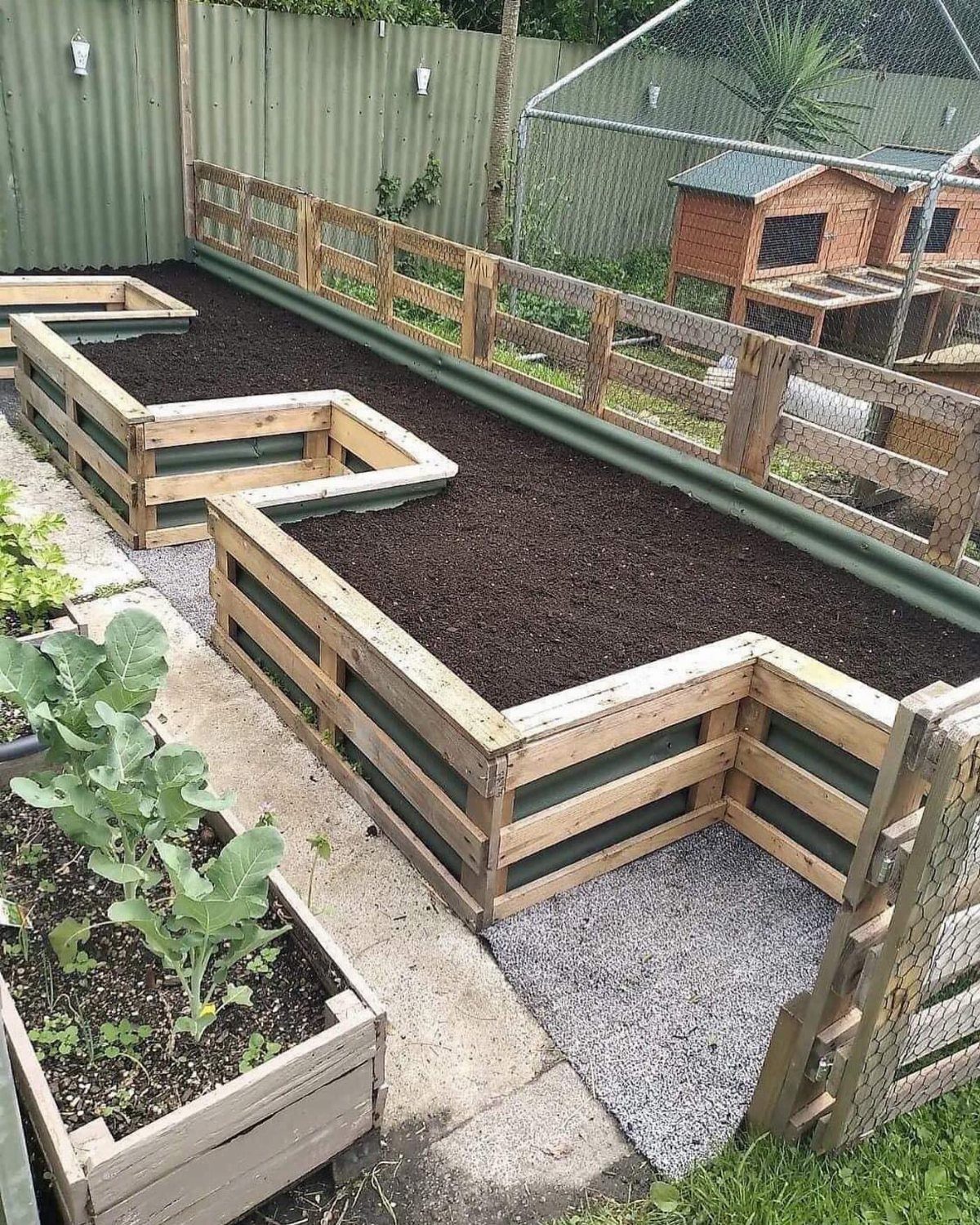
Pallet wood is free if you have a source and are patient enough to dismantle it, but the boards are thin and irregularly spaced, so the bed will not hold its shape long without extra bracing.
A U-shape lets you walk into the bed to reach the center without compacting soil; that access is the main reason to build angular rather than straight.
Check that your pallets are stamped HT for heat-treated, not MB for methyl bromide; the latter is pesticide-soaked and not safe for food.
I would line any pallet bed with landscape fabric on the inside to keep soil from sifting through the gaps, and expect to rebuild it sooner than harder wood as the softwood decays.
9. Fence Line Garden Beds
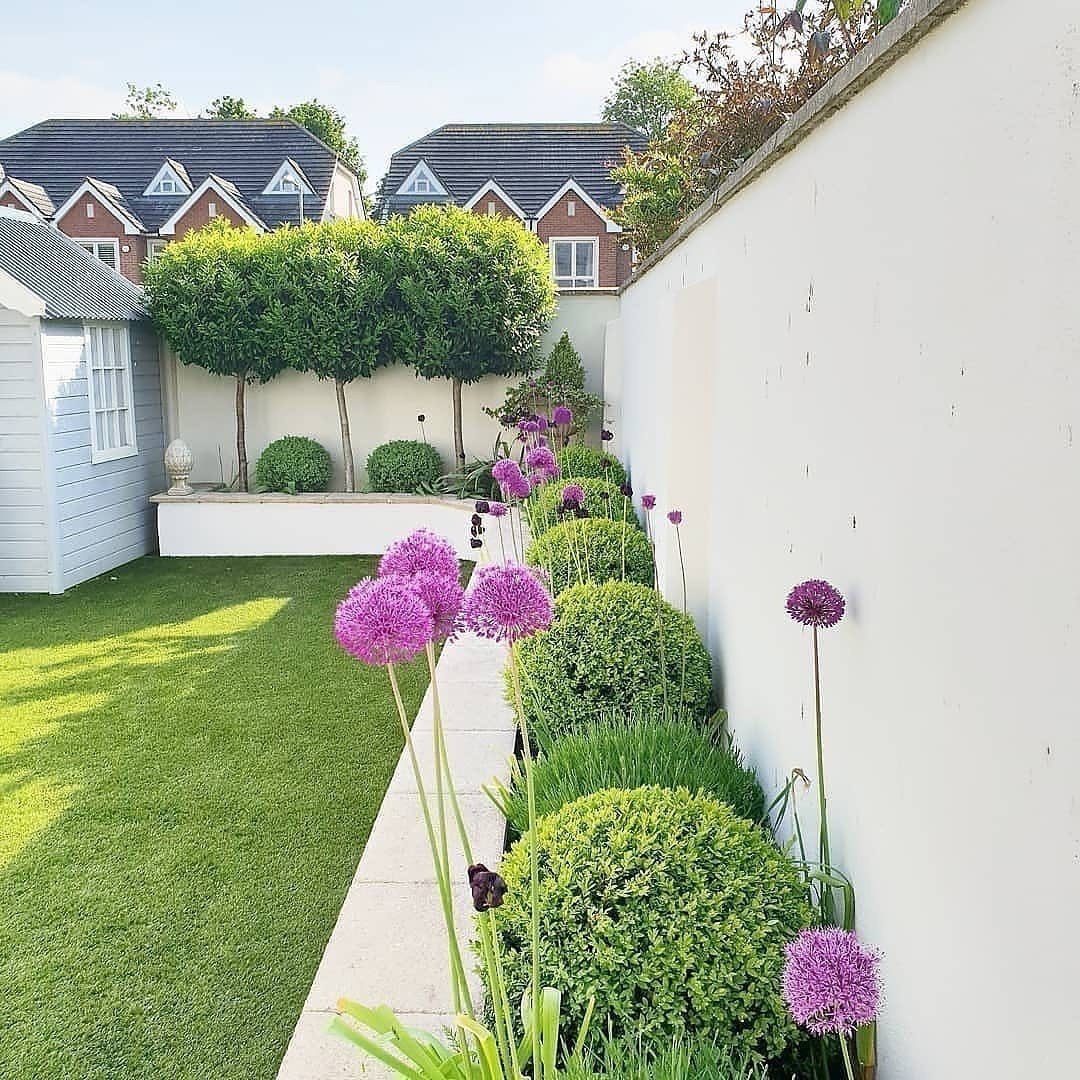
A bed pressed against a fence turns wasted edge into planting space and keeps the lawn mower from chewing the fence boards.
A narrow bed lets you reach the fence line without stepping in and compacting anything; that width matters more than the length you run.
I would set the bed face off the fence wood to create an air gap against rot; drink cans or small stones work as spacers.
Shade from the fence cuts morning or afternoon sun depending on orientation, so match your plant list to that: alliums handle it, tomatoes would sulk.
10. Tiered Raised Garden Beds
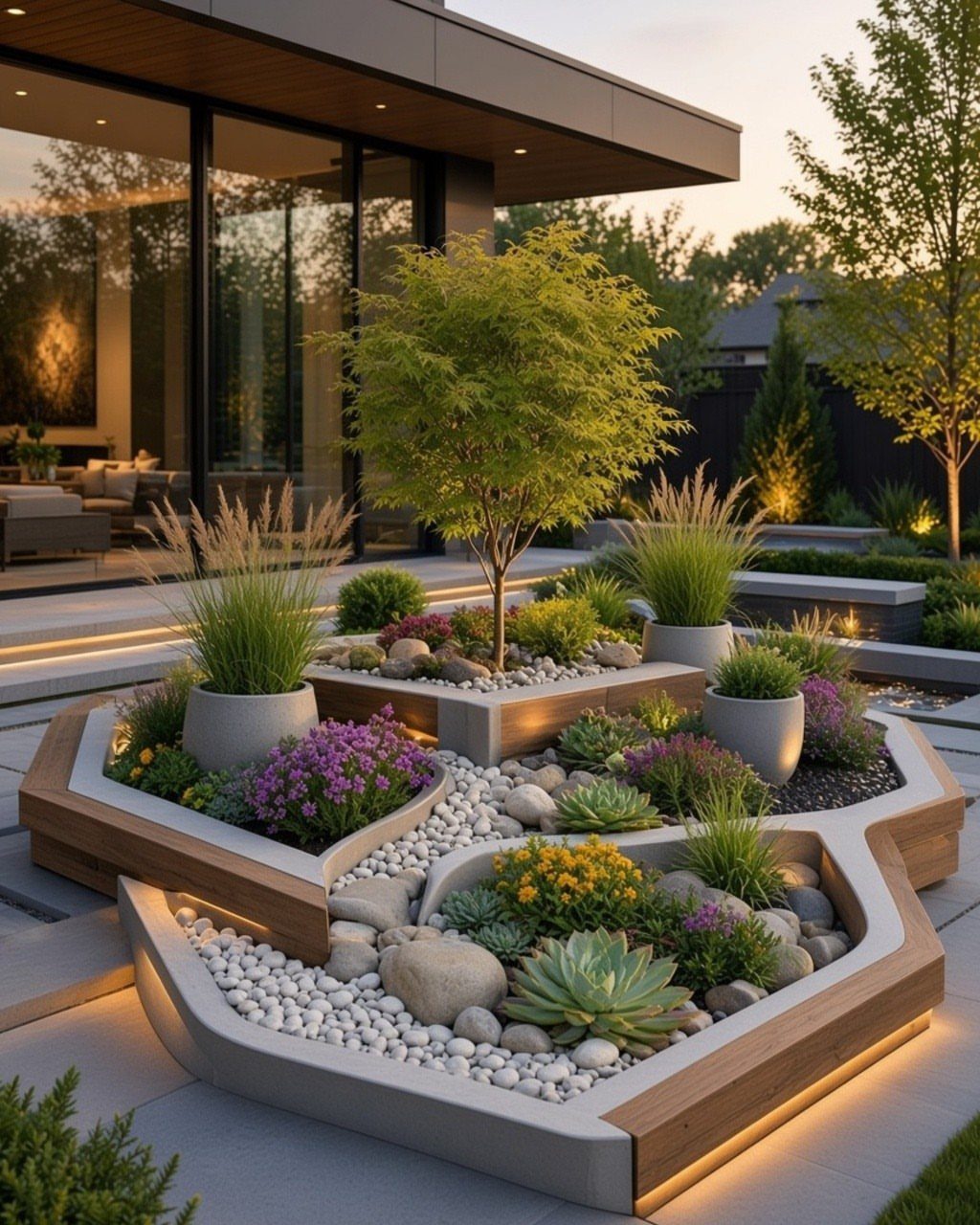
Levels let you plant deep-rooted specimens below without shading out sun-hungry herbs above, or simply stage visibility from a window. Built-in lighting wired low-voltage LED needs a transformer rated for outdoor use and a timer you set once.
Pebble mulch on the flat surfaces drains fast and weighs the structure against wind; it also means every leaf that falls sits visible until you pick it up.
I think tiered builds suit patios best, where the geometry reads as architecture rather than garden.
Raised beds can be used on patios, decks, side yards, or terraces, or set up right atop grass or gravel on the ground itself. They are relatively easy to establish and maintain, and are more forgiving than many other approaches to gardening.
11. Raised Stone Garden Bed
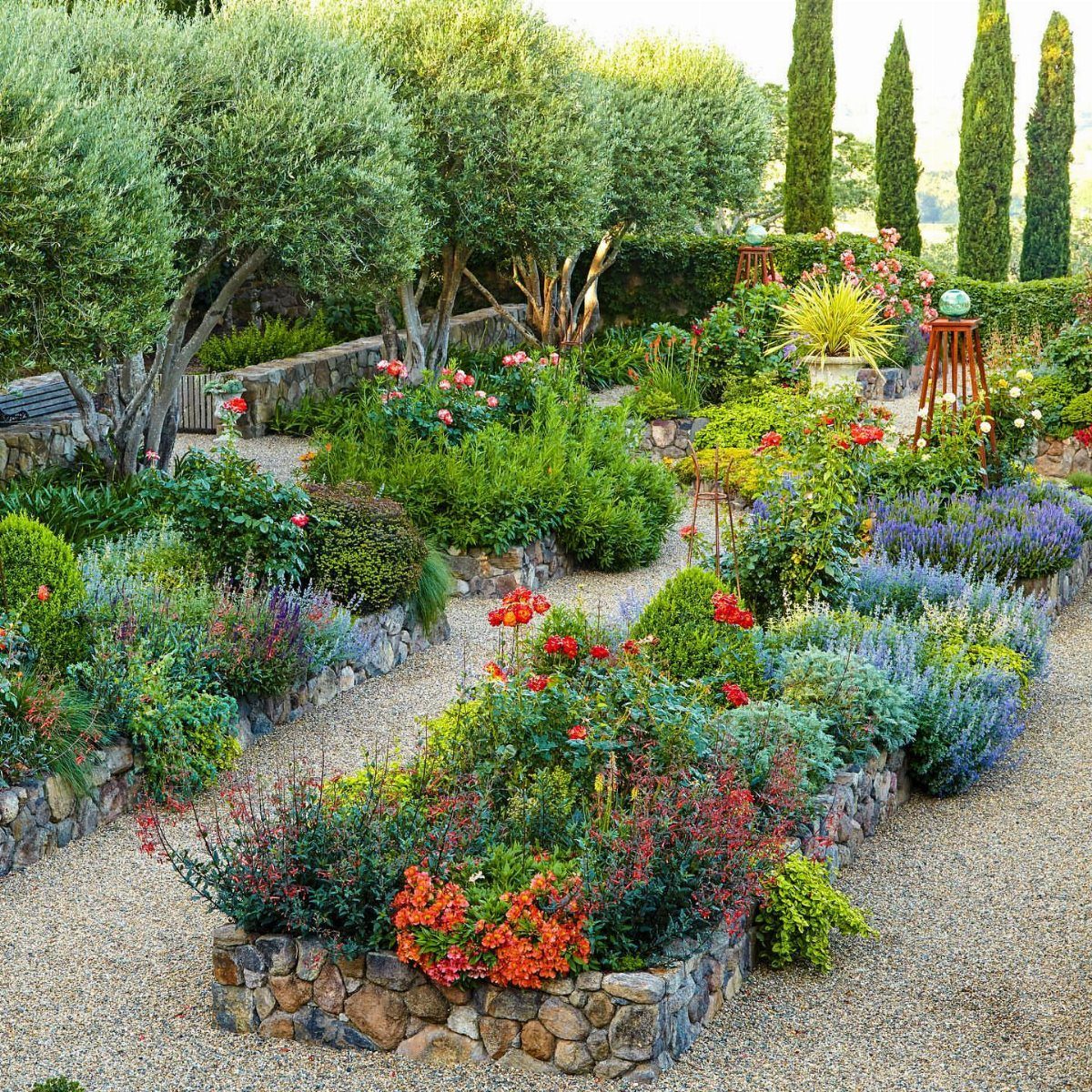
Dry-laid stone without mortar shifts with frost and settles over years, so your first course should sit below the frost line if you’re in a cold-winter zone; a partial bury is the usual practice and worth the extra digging.
Gravel paths keep mud off your shoes and let you work the bed in spring while the surrounding soil is still saturated.
Stone holds cool; that slows germination in early spring but saves lettuce through summer heat that turns raised wood beds bitter.
I would back the stone with landscape fabric to keep soil from washing into the gaps and bulging the wall outward.
12. Cold Frame Raised Bed
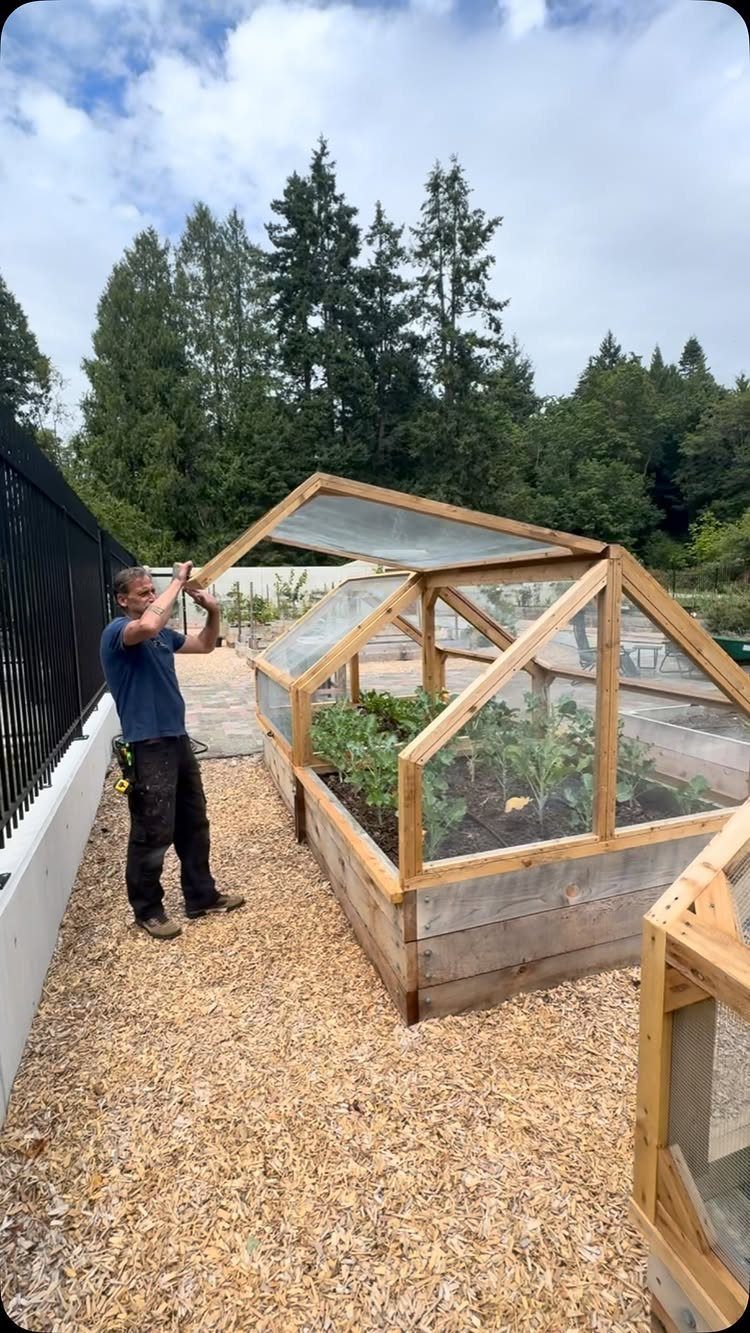
A hinged lid of glass or polycarbonate turns an ordinary raised bed into a seed-starting greenhouse from March through May, and keeps hardy greens alive weeks past first frost.
The lid props open; you’ll need that ventilation on sunny days or the interior heats fast and cooks tender seedlings.
I would fit the frame with a simple wood stick or an old broom handle as a prop, not trust a hardware-store hinge to hold at an angle.
The soil inside stays workable longer into winter than open ground, but the bed still freezes solid; this is season extension, not year-round harvest in cold climates.
13. Hoop House Raised Bed
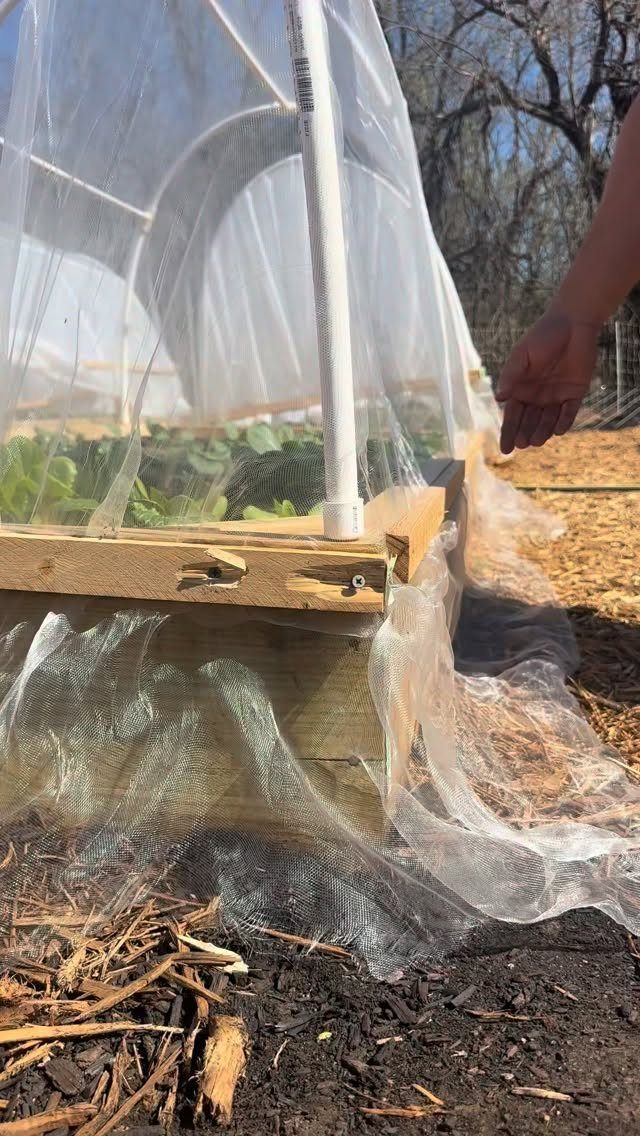
PVC hoops arching over a wooden bed let you pin up shade cloth in July, row cover against frost in October, or fine mesh when cabbage moths are laying eggs.
PVC pipe slips into brackets or short stakes at each corner; the length and diameter you need depend on how wide your bed is and how tall you want the arch, but the bend at center should give you enough height to reach in for tending strawberries or salad greens.
Mesh covers the hoops instead of plastic sheeting, so you lift it off for weeding without wrestling a full greenhouse skin.
Check that your brackets hold firm against spring wind; a hoop that walks in a storm flattens whatever was growing beneath it.
14. Mobile Raised Planter on Wheels
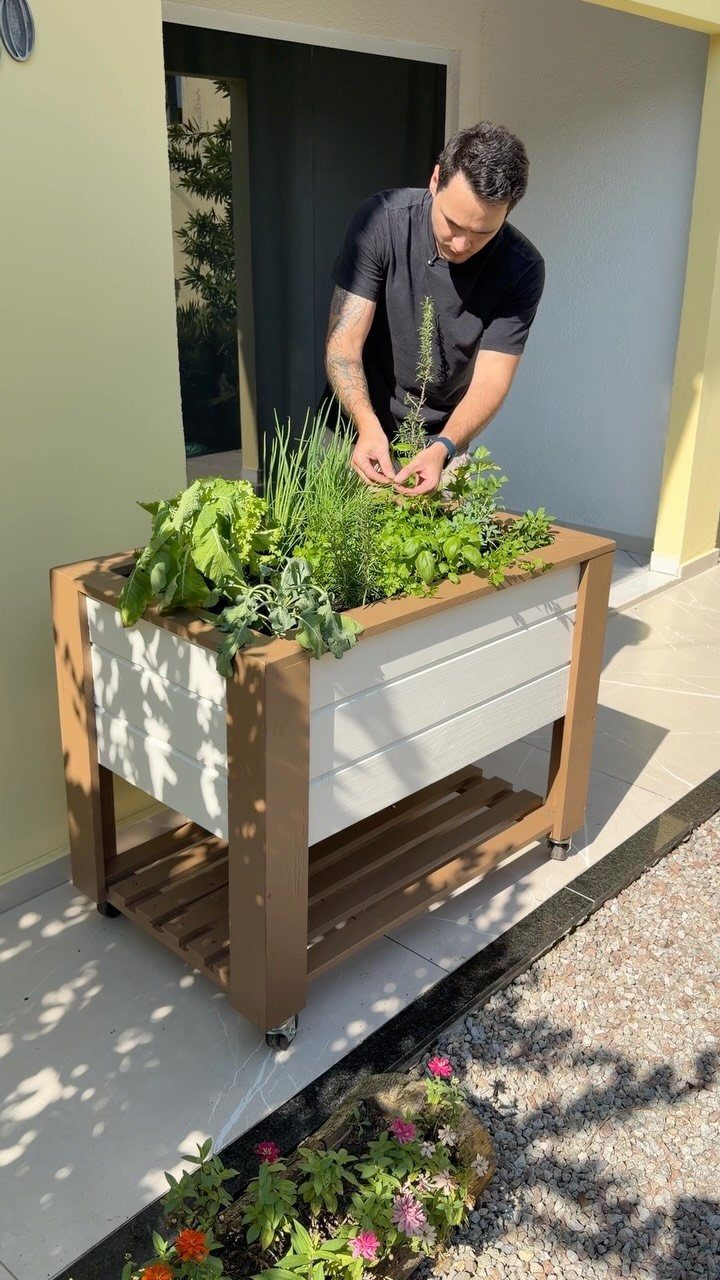
Caster wheels under an elevated box mean you can roll the whole garden to catch morning sun or retreat under an eave before a hail line.
A waist-high bed saves a gardener’s back and rules out root crops that need more depth than the box allows; herbs, lettuces and compact peppers fit here.
I would check that the casters lock; a planter that drifts across a slope or shifts in a gust is a hazard to the plants and anyone catching it.
Four wheels rated for outdoor use are the minimum, not two, since wet soil is heavier than you estimate.
Choosing Materials for Raised Beds
Cedar holds up because heartwood contains natural compounds that fungi struggle to digest.
Sapwood lacks those compounds; it soaks up water and softens in a season or two. I would poke any board that looks pale at the edges and ask the yard to swap it out, since most bundles mix both.
Cinder blocks need no tools to stack, which is their real advantage over lumber.
The gray surface takes paint if you prime it first, though I think unpainted concrete weathers to something more interesting over time. Some blocks contain fly ash, a byproduct of coal burning that can leach heavy metals.
Polymer paint on the interior faces seals that away. I would not skip this step if I planned to grow root vegetables in the block cores.
Galvanized water troughs drain poorly on their own; I would drill a grid of half-inch holes across the bottom before adding soil, and probably set the bed on a shallow bed of gravel to keep those holes from clogging.
Corrugated steel panels, being open at the bottom where they sit on the ground, do not need this treatment.
Stone and brick cost more to move and slower to build with, but they need no replacement.
The length of your growing season determines how many successions you can plant; that number varies by zone, so check your county extension rather than guessing.
Watering Techniques
Drip irrigation runs a hose with tiny emitters spaced to each plant’s base. The flow rate is fixed, so you know how much water leaves the line in an hour and can run it on a timer without guessing.
Soaker hoses are cheaper and do roughly the same work, but they wet a broad band of soil rather than pinpointing individual plants.
Vermiculite over the top acts as the wicking layer; it holds water like a sponge and lets roots pull from it as needed.
Before a week away, soak the pipes so the reservoir fills completely. The moss layer buffers between full and dry.
Hand-watering takes more time than any system, but it also tells you which plants are drooping and which bed corners drain too fast.
I think most gardeners start with a hose and add drip lines only once they know where the dry spots are.
Sprinklers are the last option I would pick for raised beds.
Wet foliage in late afternoon invites mildew, and much of the spray misses narrow boxes entirely. If you already own one, aim it at lawn and build the beds elsewhere.
Frequently Asked Questions
What should I make raised beds out of?
Cedar is my first choice if you want wood that resists rot without pressure treatment, though you need to check you’re getting heartwood rather than the paler, faster-rotting sapwood.
Cinder blocks stack fast without tools and let you plant herbs in the cores, but concrete sucks moisture and heats up.
Corrugated metal with a wood frame gets you height without the weight, and I would check it’s galvanized or weathering steel so it doesn’t rust through.
Stone and brick run higher on both budget and build time, and they are not going anywhere once they are in. For renters or rooftops, fabric grow bags are portable and breathable.
Can you put perennials in raised beds?
Yes, though the material you pick matters more for long-lived plants than for annual vegetables. Cedar and stone last decades, which suits perennials that stay put, while pallet wood or thin softwood frames will rot before the plant matures.
Deep beds accommodate the root systems of perennial herbs, asparagus, or berry bushes better than shallow planters, and stone’s cool soil can keep lettuce productive through summer heat that turns wood beds bitter.





