
Steel beds last longer than a decade, lumber comes together in a weekend with scraps, and stone sits somewhere in between on both cost and permanence; the choice depends on how long the lease runs or how settled the mortgage feels.
Clay, sand, or fill from a previous owner all come with the same problem: you do not know what is in them. Building up with fresh mix from the hardware store or a local yard skips the guessing.
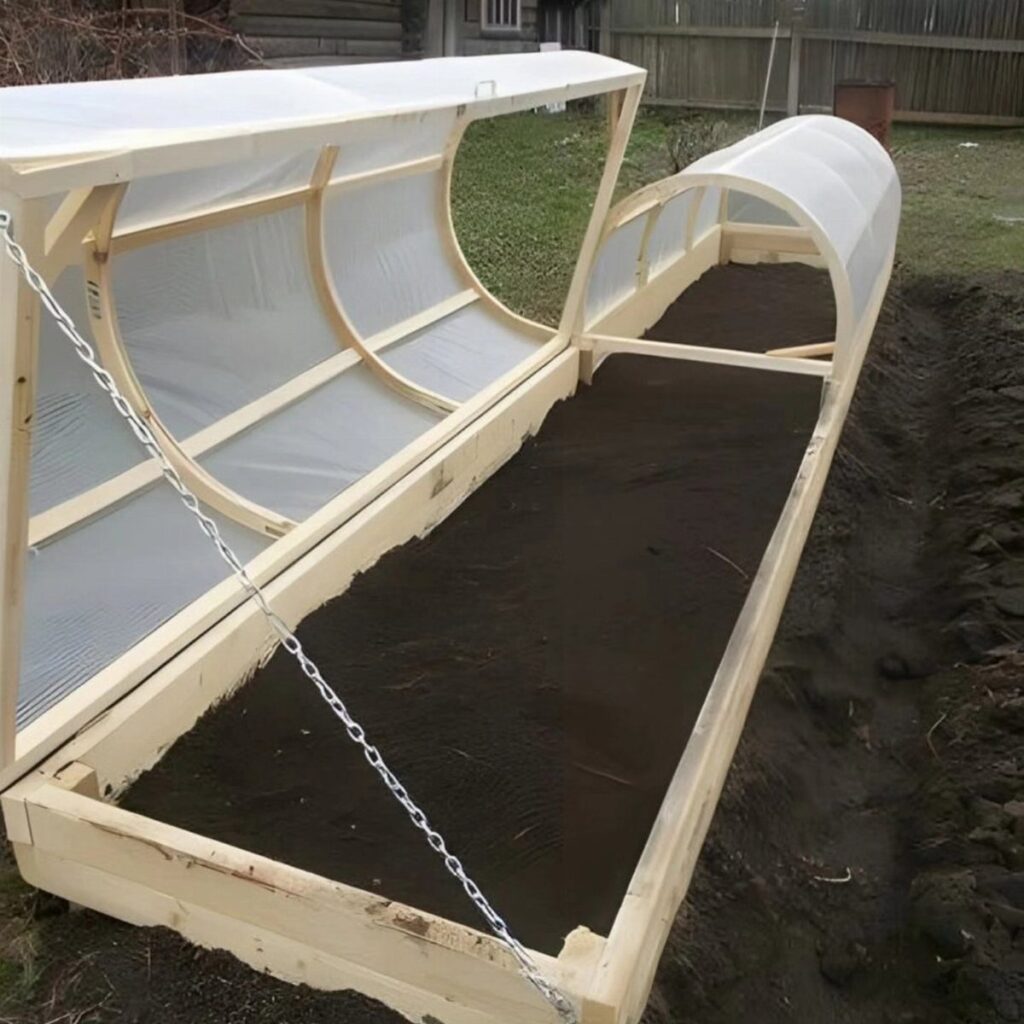
Designing the arched cover into the bed from the start beats trying to add hoops after the dirt is already in; retrofitting means disturbing roots and reworking what you built.
[link-whisper-related-posts]1. Season Extension
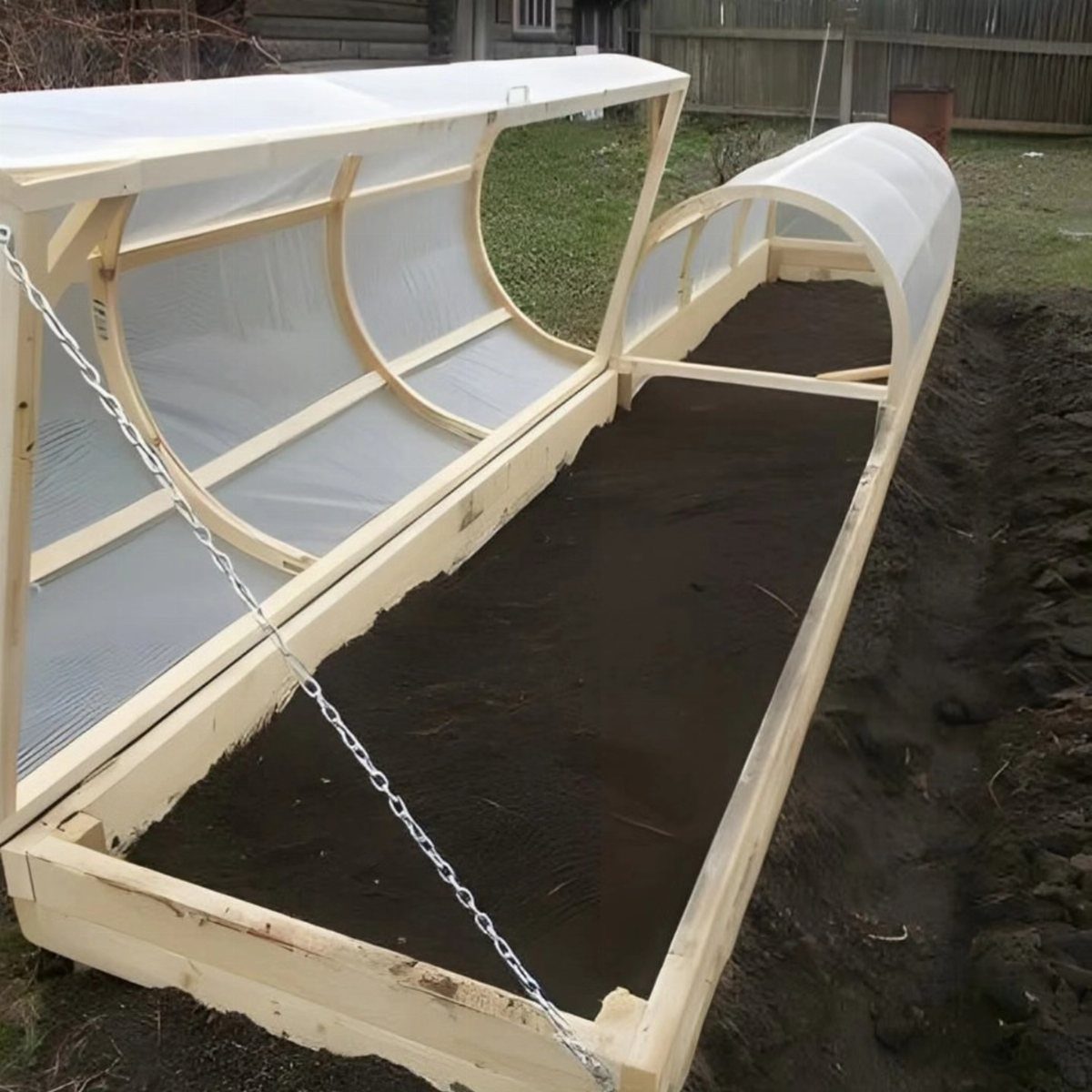
Hinged covers let you start seedlings weeks before your last frost date and keep hardy greens going into fall.
The arched shape sheds rain and snow better than a flat lid, and the support chain holds the cover open on mild days so plants harden off without you standing there.
Check that your plastic is greenhouse-grade and rated for the UV in your area; the cheap drop-cloth stuff cracks by July.
I would size the bed so I can reach the center from either side without stepping inside, because once that soil is built up you do not want to compress it.
2. DIY Raised Bed Construction
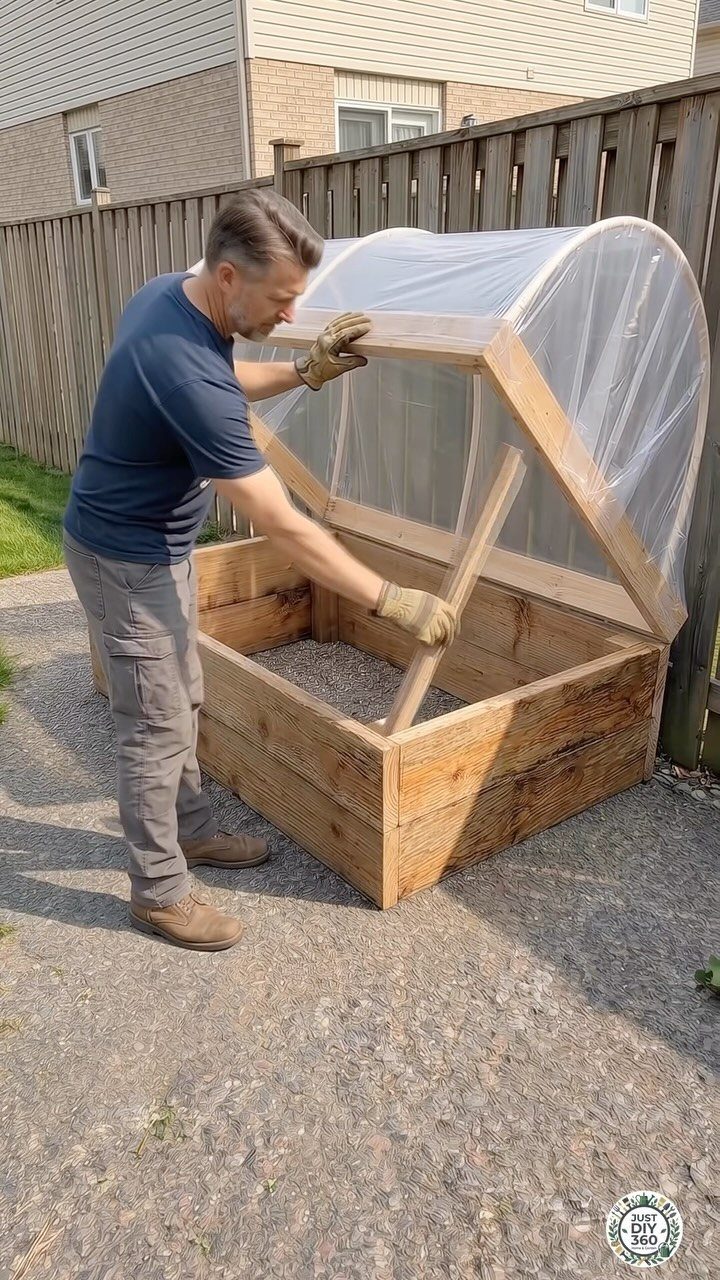
A single afternoon with basic tools gets you a frame that drains faster and warms sooner than ground-level soil, which matters when your weekend is Saturday and your budget is lumber-scrap money.
An arched cover turns the same bed into a mini greenhouse without a second build; that is the part I would plan from day one, because retrofitting the hoops means drilling into soil you already planted.
Use rot-resistant cedar or the brown pressure-treated lumber rated for ground contact; the older green-tinged stuff leaches more than I want near food.
Fasten corners with long exterior screws, not nails, so the frame stays square when you push a wheelbarrow against it.
3. Advantages of Raised Beds
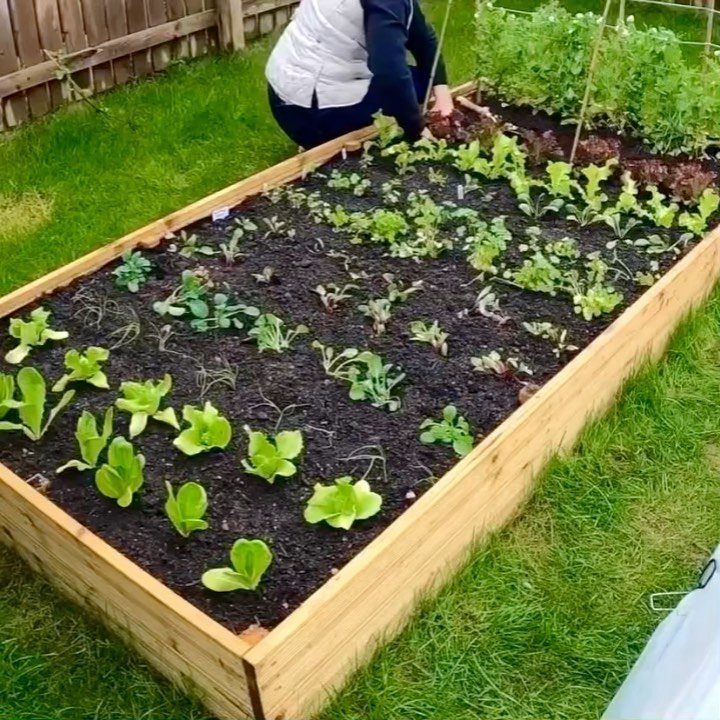
Raised beds solve the problem most beginner gardeners do not know they have until they hit it: native soil that is too sandy, too clay, or too full of tree roots to fork through in an afternoon.
You fill with a mix you control, and that control is what justifies the cost of materials for anyone gardening on a rental lot or a first home where the soil history is unknown.
I would go shallow for lettuce and greens; a 6-inch bed gives them all the root room they need, and I would save the depth for carrots or tomatoes.
Raised Beds can solve a lot of problems, but they’re not the answer to everything. Landscape designer Judith Phillips here shares her advice for would-be raised-bed gardeners—including when not to install one.
4. Galvanized Metal Sheeting
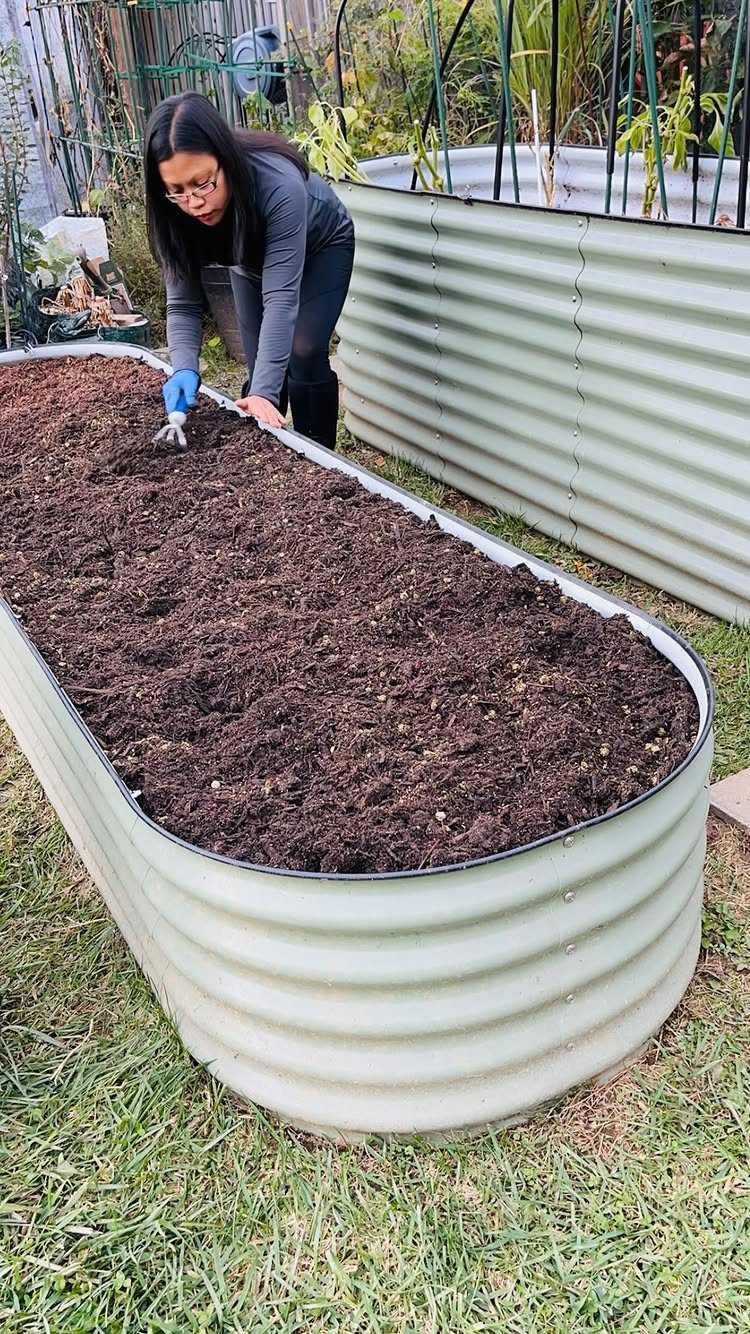
Corrugated galvanized steel lasts decades and costs less over that span than replacing rotted wood twice. The oval shape has no corners to snag a shovel, and the ribbed walls flex slightly when soil freezes and thaws instead of splitting.
Wear gloves; the cut edges are sharp enough to need filing before you fill it.
I would put down cardboard or newspaper first to block whatever grass or weeds are already there; the steel base is open, not a bathtub, so roots will find native soil eventually but you get a clean start.
Drainage is good enough that overwatering is harder than in a wooden box, which matters if you are still learning how often to check soil moisture.
5. Protective Fencing and Wire Mesh
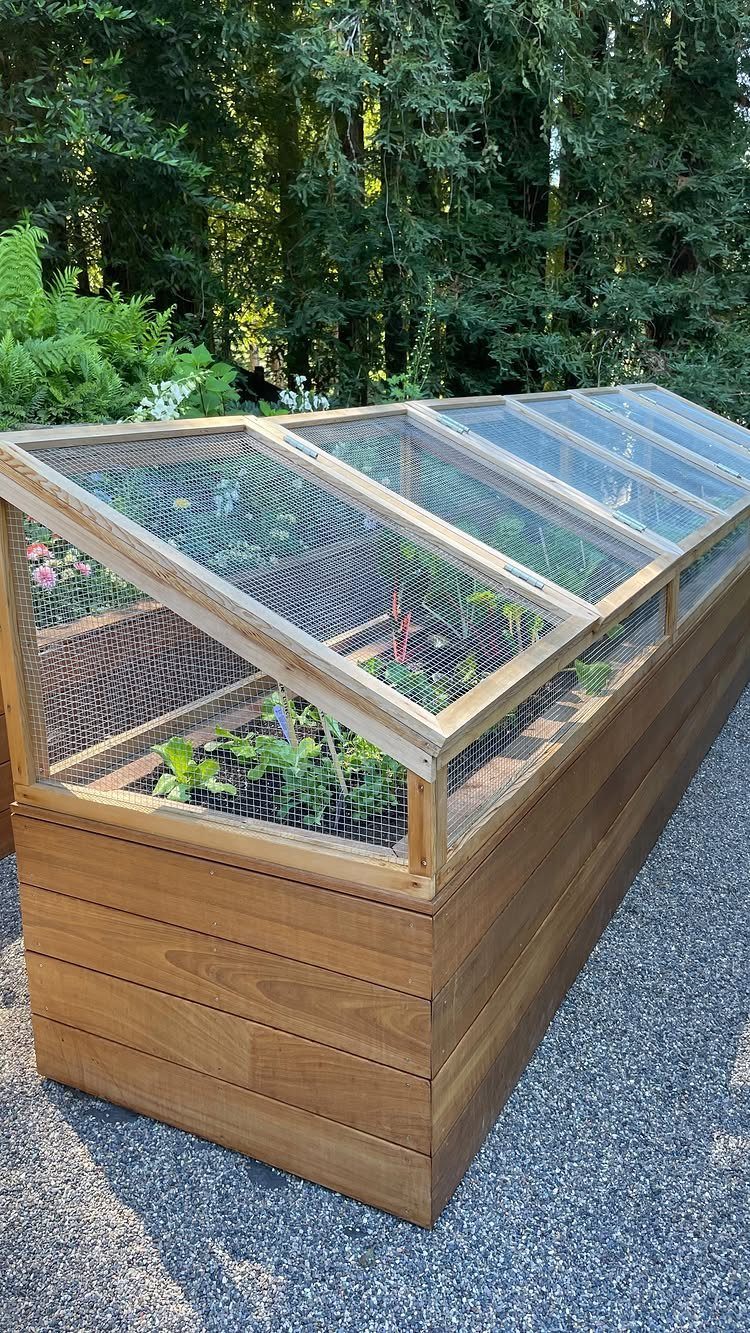
A hinged wire cover stops rabbits, squirrels, and the neighbor’s cat without the hassle of netting you drape and stake every morning.
The sloped shape sheds water and does not pool on top; the wood frame gives you something solid to attach hinges to so the whole thing lifts for weeding and harvest.
Use hardware cloth with openings small enough that a rabbit cannot push through; chicken wire will not stop a determined one.
I would hinge from the back and add a simple hook-and-eye latch on the front; the prop stick visible in some versions is one more thing to lose in tall grass.
If your problem is deer, this stops nothing; you need a taller fence entirely, and this cover is the wrong place to start.
6. Arched Trellis Raised Beds
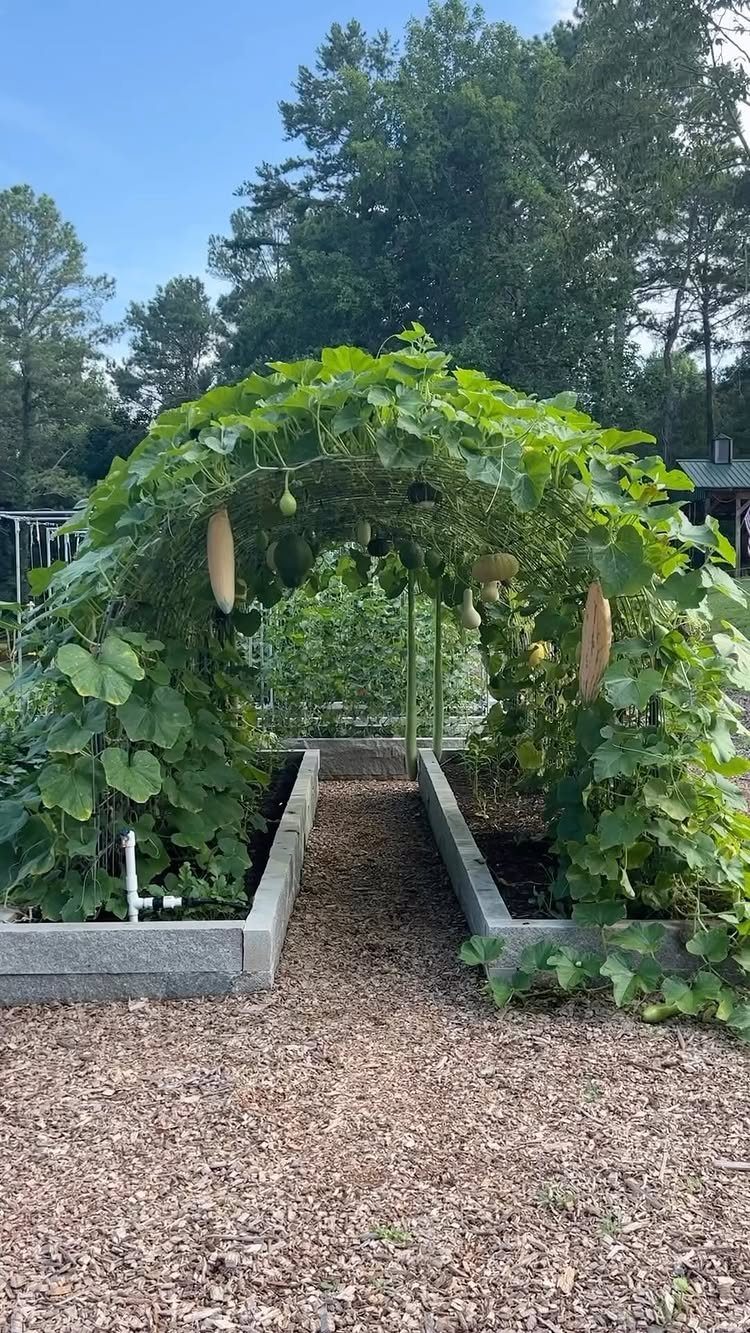
An arch between beds turns the path into usable growing space, which matters when your backyard is a rental patio or a first-home lot measured in feet, not acres.
The maker grew 30 squash plants where 3 might have sprawled, using vertical space that costs nothing once the trellis is up.
Use cattle panels or concrete reinforcing mesh bent to shape; both hold the weight of mature gourds without sagging.
I would sink the ends 6 inches into the soil or wire them to the bed frame so the arch does not lever outward when loaded.
Winter squash get heavy enough that I would rig slings from strips of old T-shirt for the biggest fruit, the way melon growers do.
The wood-chip path underneath stays clean and dry enough to walk on even after watering, which I appreciate when I am out there in kitchen slippers checking for ripe fruit.
7. Walkway Lined Raised Beds
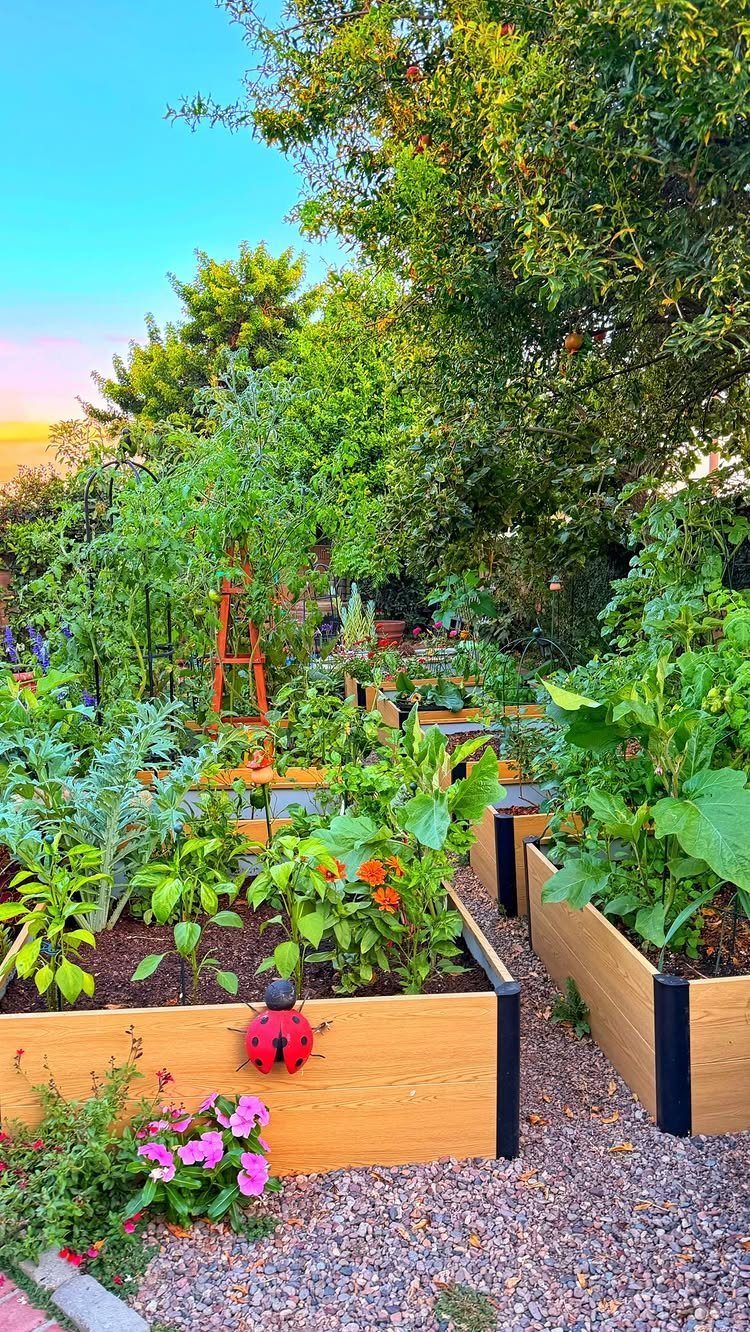
Gravel paths between beds keep your shoes clean and give you a level place to roll a hose or a harvest basket.
The spacing matters more than the gravel type; a narrow path fits a wheelbarrow, a wider one lets you pass someone with tools.
8. Long Wooden Raised Bed

A single long bed is simpler to build than matched boxes and holds more root crops per foot of lumber. The height visible here looks low, enough for most herbs and leafy greens without the soil cost of waist-high walls.
Cilantro bolts fast in heat; I would sow a short row every 3 weeks rather than filling the whole bed at once and watching half go to seed before you pick it.
That palm suggests a warm zone, so afternoon shade cloth stretched on the fence side might extend your season.
9. Stone Accent Raised Bed
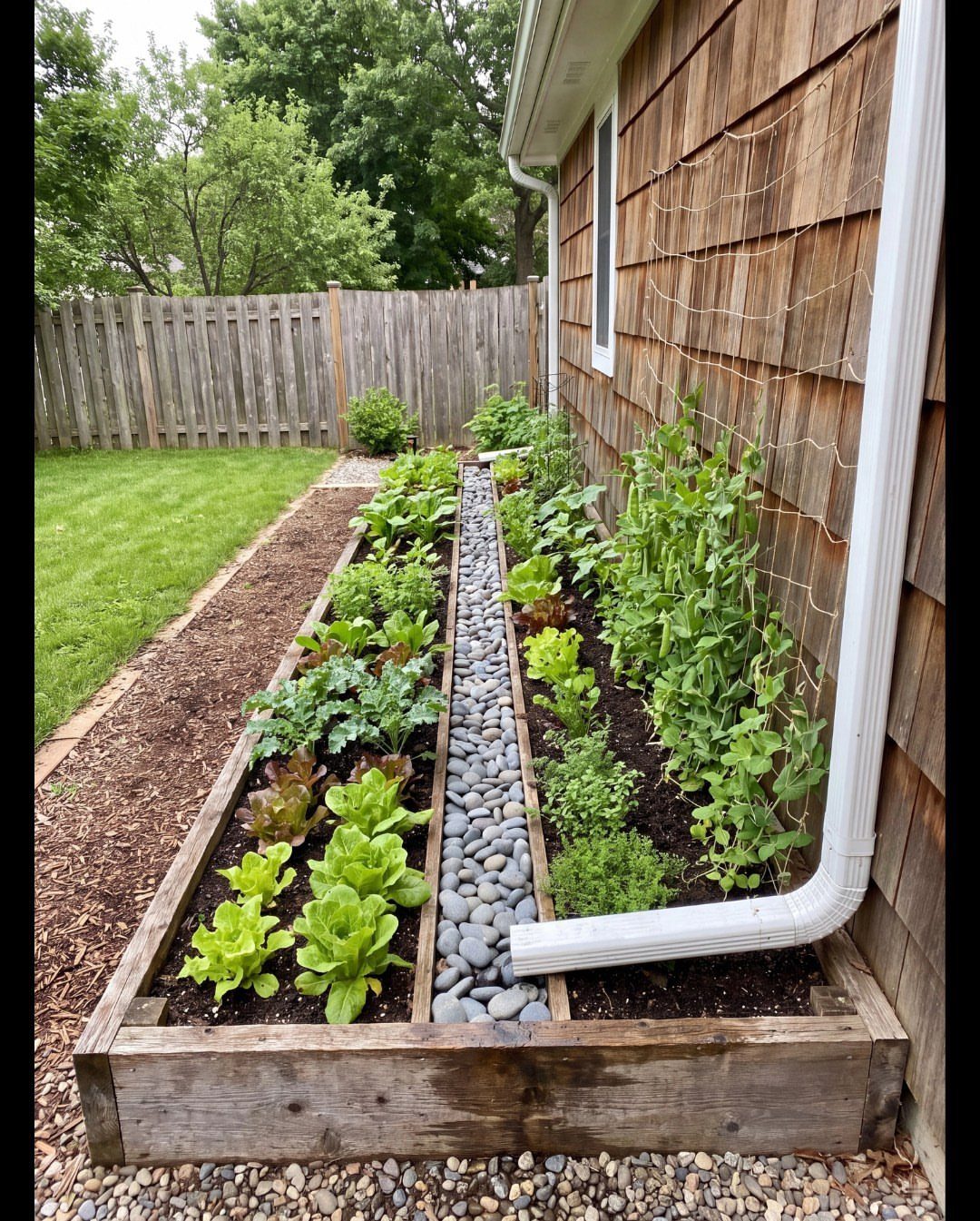
The stone strip down the center turns a working path into drainage, sending runoff from that downspout through the bed instead of pounding one corner into mud.
River stones are heavy enough to stay put but loose enough to lift and reset when roots need dividing.
Check that the wood divider between soil and stone is the same rot-resistant grade as the bed walls; the wettest spot in any garden is where water concentrates.
10. Hose Watering System
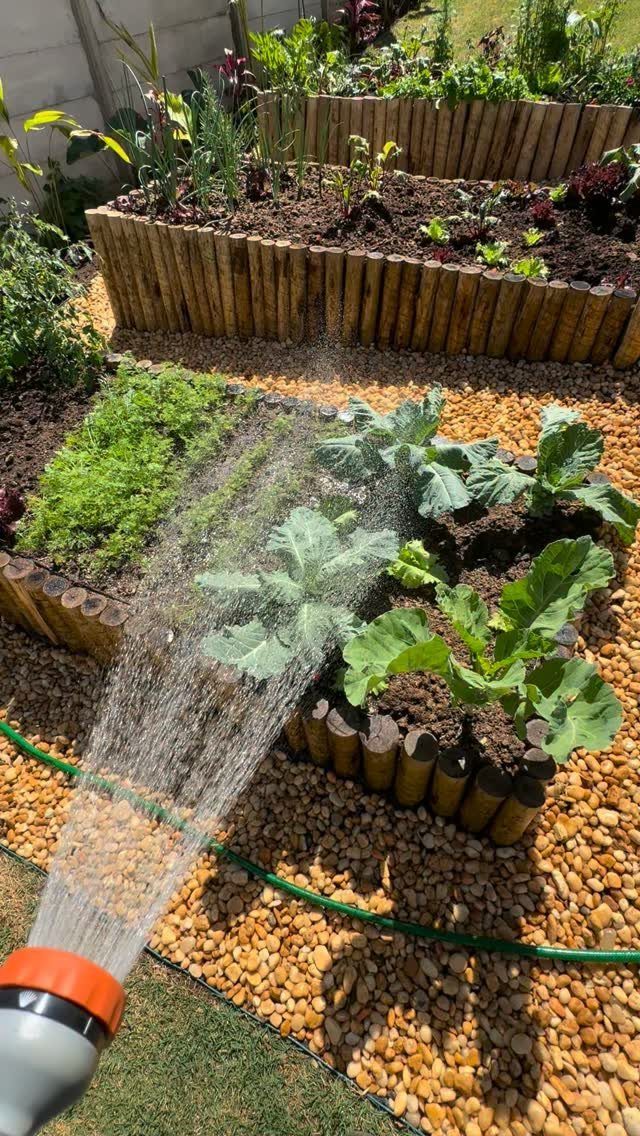
Hand-watering with a trigger nozzle lets you spot dry corners and skip the ones still damp underneath, which a timer never does.
The gravel around these beds means no standing mud to track indoors, so I would keep a pair of garden shoes right there and water barefoot on warm evenings.
A soaker hose is quieter and slower but hides under foliage where you cannot see a kink or a gopher hole; for a first bed this size, I would stay with the handheld until I knew which plants wanted how much.
Log edging is an extra step versus simple box walls, but it follows any curve you cut and takes ground-level irregularity without gaping.
Raised Bed Height Considerations
I would keep the working height low enough to lean across comfortably unless I needed wheelchair access.
A raised bed on legs works fine for shallow-rooted greens; root crops need more soil depth, but that means filling it fuller, not building taller walls.
I would build to 30 inches only if bending or kneeling is not an option, because every inch above that costs more in soil and lumber with no yield benefit.
The 4-foot width matters more than the height. Go wider and you are climbing inside or stretching; go narrower and you are paying for walls that do not earn their keep in growing space.
Choosing the Right Plants
Most vegetables want 6 hours of direct sun, so I would watch the site for a full day before deciding where the bed goes.
Morning shade from a neighbor’s tree is workable; afternoon shade from your own house limits you to lettuce, kale, and other greens that tolerate less light.
Shallow-rooted plants, lettuces included, are raised-bed naturals because the improved soil depth is not wasted on roots that stop at 6 inches.
Carrots want the full depth for straight growth; blueberries need the acid soil you can mix in, not the native ground they would sulk in.
I would line timber walls with plastic sheeting to keep treated lumber chemicals out of the root zone, whatever the label says about safety. Untreated cedar I would leave bare and let age.
Maintenance Frequency
Wilting at 2 p.m. is not reliable, since heat alone droops leaves that have plenty of moisture below. I would check before deciding.
For a first bed I would walk it with a hose and trigger nozzle until I knew which corners dry faster and which stay wet.
Overhead sprinklers I would skip; they waste water, encourage fungus, and hit foliage that wants to stay dry.
Flooding takes beds out of production when roots rot, so I would site on even ground or crown the center slightly. Drainage is the point of raising the soil; do not defeat it with a low spot that collects runoff.
Frequently Asked Questions
What kind of vegetables can you grow in a raised garden bed?
Most vegetables grow fine, but shallow-rooted ones like lettuce and greens are naturals because the improved soil depth is not wasted.
Root vegetables are where the full height pays off, carrots grow straight only when they have room to push down, and blueberries are worth the trouble for the acid mix you can blend yourself instead of hoping your yard happens to have it.
I would spend a day watching where the sun actually hits before driving a single screw; 6 hours of direct light is the line most vegetables will not cross.
What are the advantages of having raised garden beds?
You control the soil mix instead of fighting native ground that is too sandy, too clay, or too full of tree roots.
The soil stays loose because you work from the sides without stepping in, so it drains better and roots develop stronger.
How do I create a raised vegetable bed?
Strip the grass, build the box from cedar or ground-contact pressure-treated boards, and fill it with soil you selected yourself instead of inherited.
Drive 3-inch exterior screws at every corner so the frame does not rack sideways the first time a full wheelbarrow bumps it.
If season extension matters to you, size the bed for hoops from the start; drilling pipe clamps into filled soil after plants are in is work nobody wants.





