
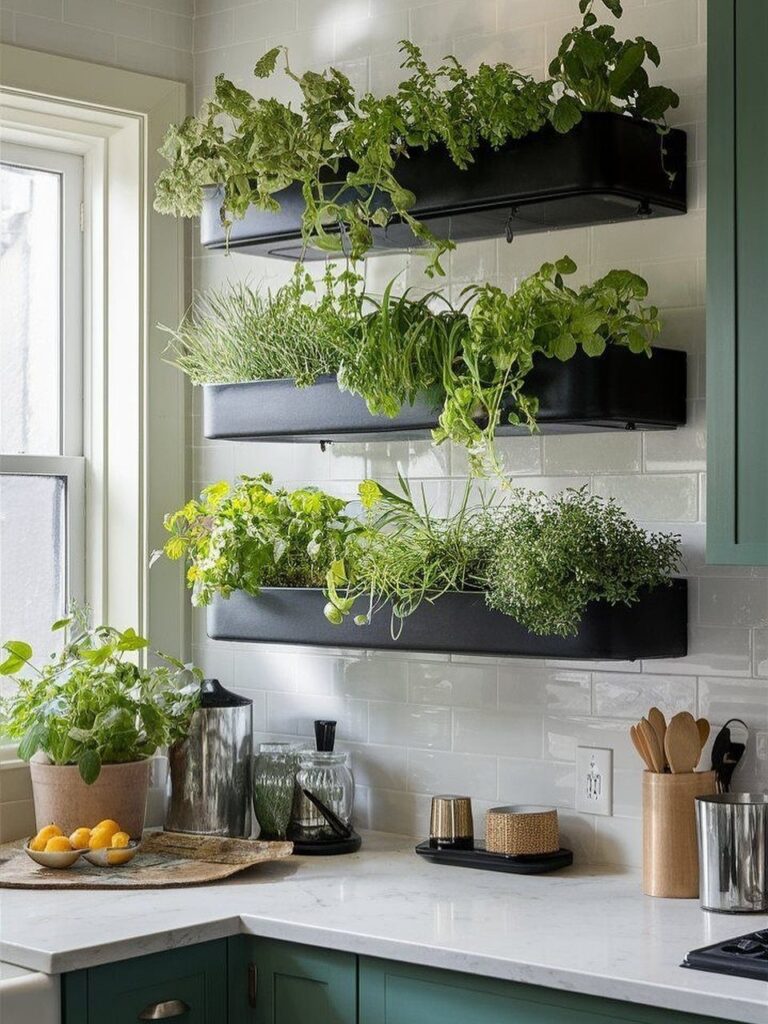
These 8 kitchen garden ideas run from free plastic bottles to permanent Corten steel beds that cost serious money, and the right one for you depends on whether you own the ground beneath it or answer to a landlord.
The cheapest entry, a two-liter bottle hung from a rod, still needs that drainage hole drilled in the bottom if you want the plant to survive the week.
[link-whisper-related-posts]1. Raised-Bed Kitchen Garden
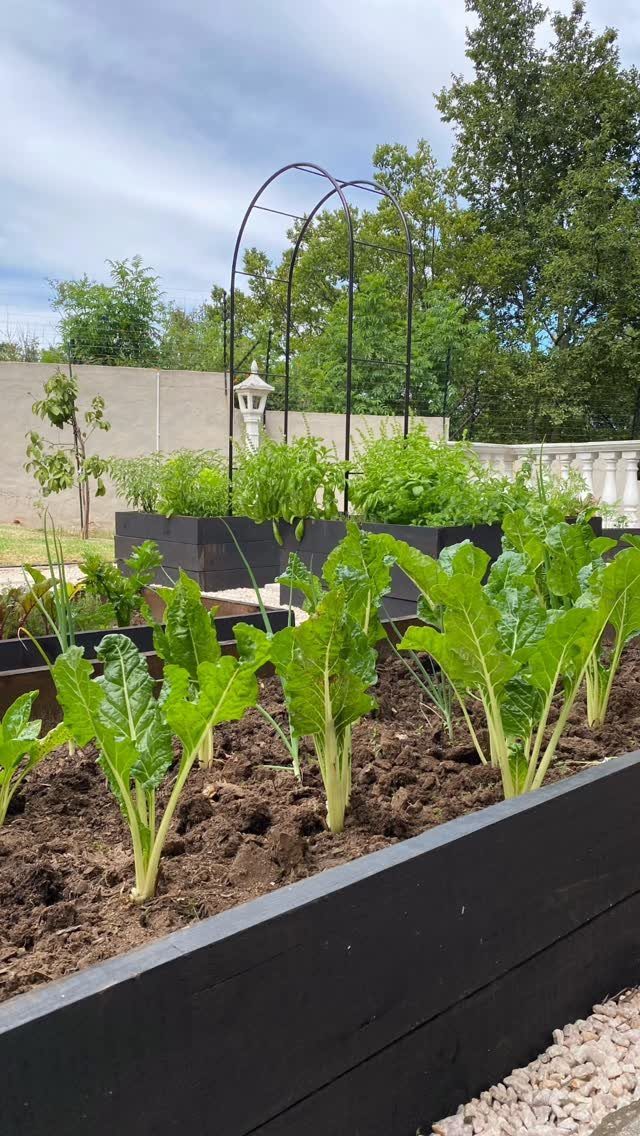
A raised bed lifts your soil above the yard’s existing grade, which matters more than it sounds like it would. Dark painted wood gives a clean look against grass or gravel, and the height saves your back on planting day.
Before you build, check 2 things: whether your sunniest spot is level enough, and what your soil is beneath the bed.
Clay or compacted ground benefits most from the added drainage. I would skip the arch trellis unless you already know you want climbing beans or peas; it frames nicely but adds cost and you can always add one later.
2. Herb Garden
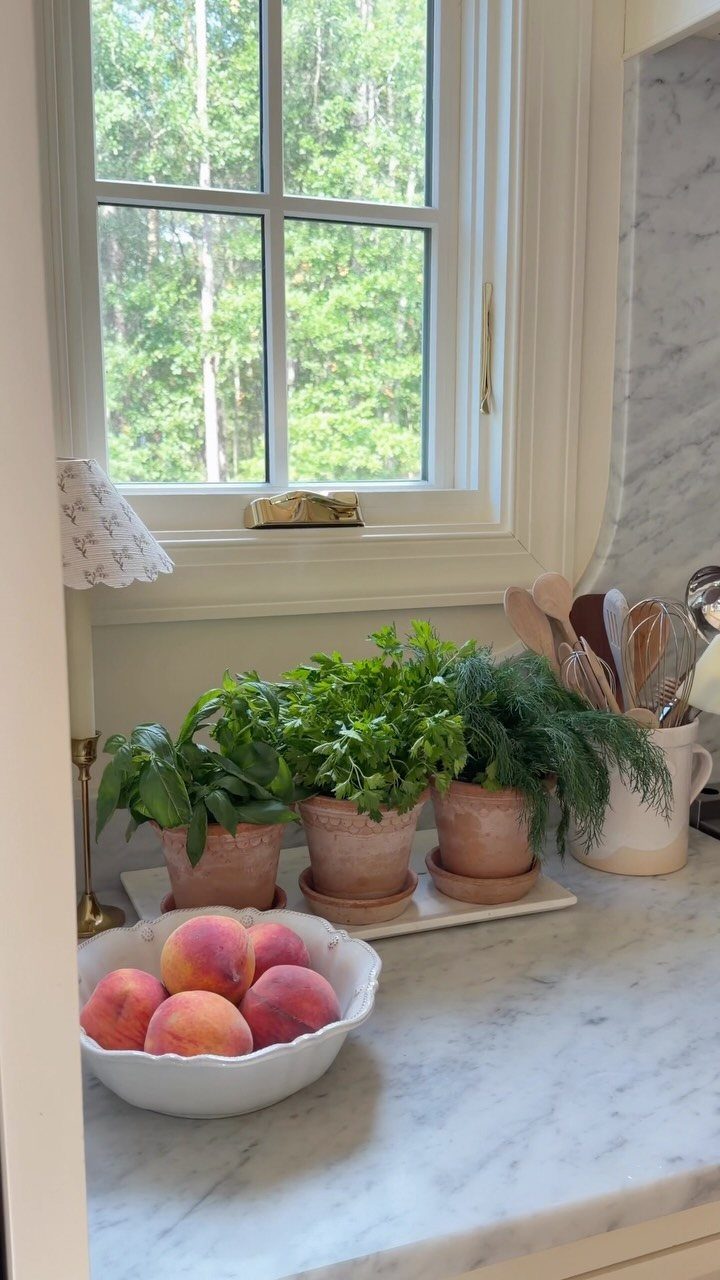
Terracotta on a kitchen counter stays within arm’s reach of the stove, which is why I set mine there.
Basil, parsley, and thyme handle the light from a typical window and the dry air of heating and cooling seasons better than most houseplants.
Terracotta dries out fast.
That is good for the roots but bad for your schedule if you travel for work. I would trade the matching pot set for mismatched sizes that fit each herb’s eventual spread; rosemary wants room, thyme stays small.
The tray underneath catches drainage and saves your countertop. Skip it and you will learn why quickly.
3. Vertical Garden
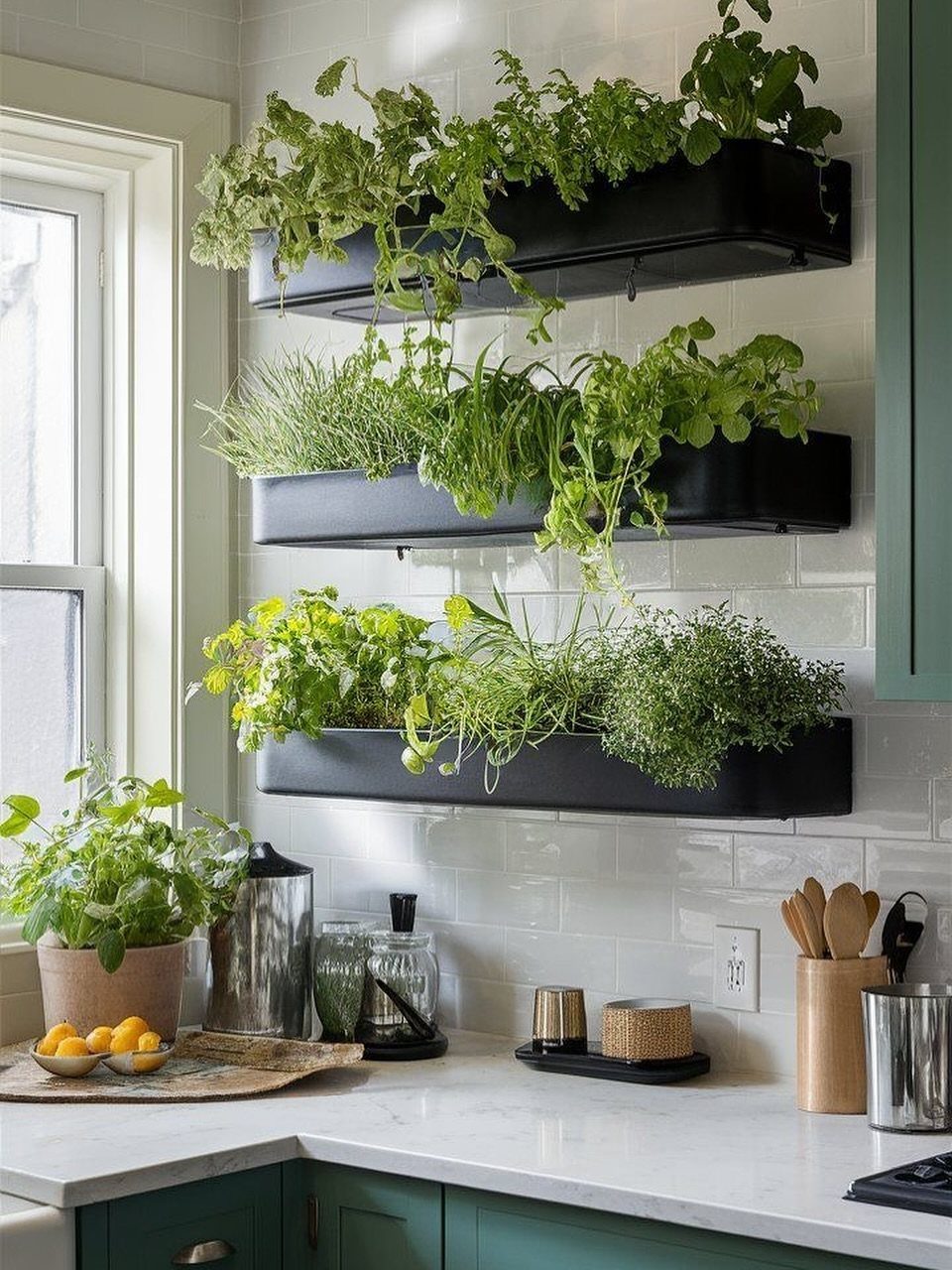
Wall-mounted planters trade floor space for height, which counts in a small kitchen. Black boxes mounted above the counter keep the prep area free.
Installation means finding studs or using heavy-duty anchors; soil plus water weighs more than books.
I would mount slightly above comfortable reach to keep the counter usable, and I would check that the boxes already have drainage holes or use a liner that catches excess water.
Herbs dry faster in small volumes of soil, so the thyme and oregano will want water more often than a potted version on the windowsill.
4. Micro Garden
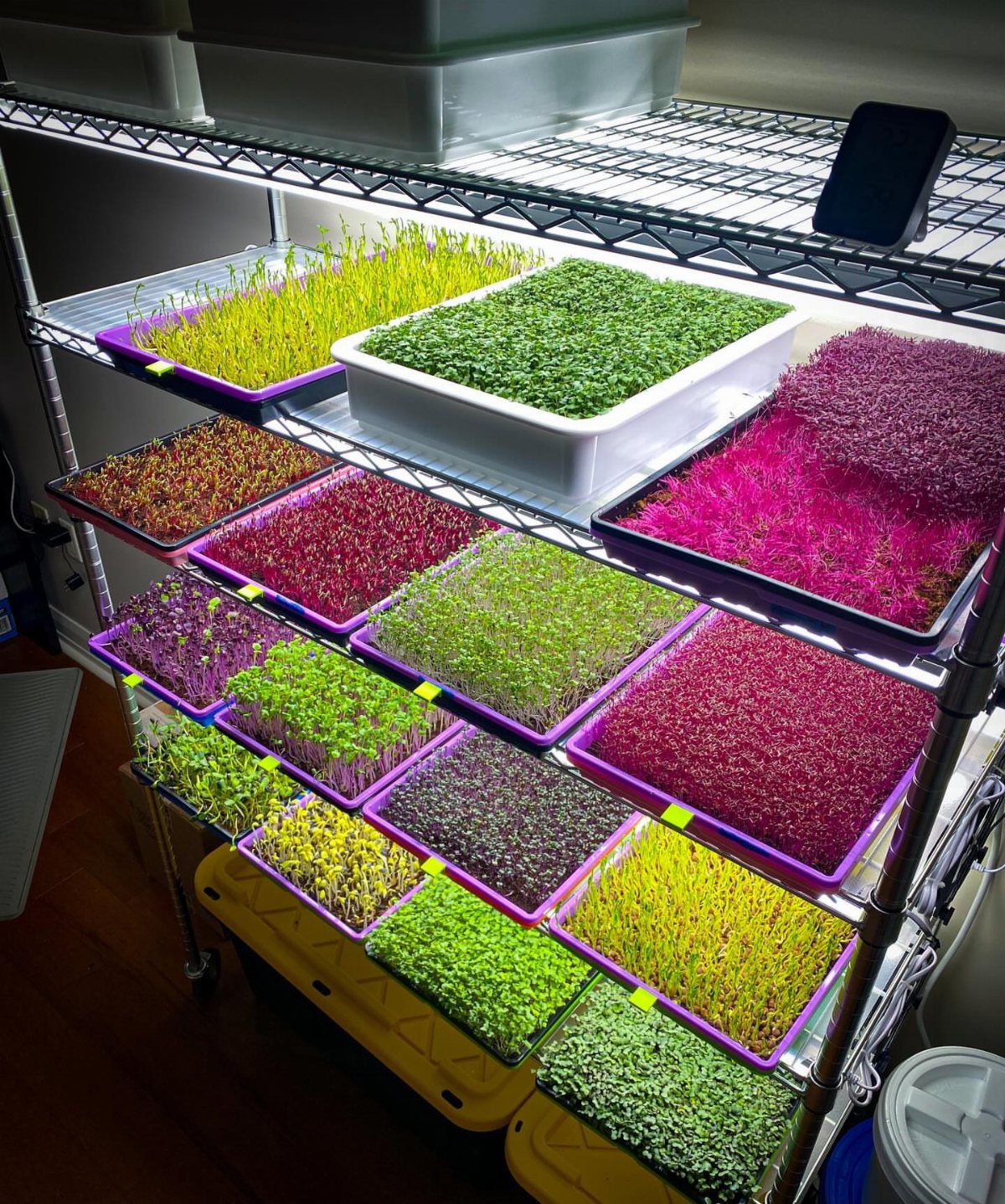
Microgreens are seedlings harvested at the cotyledon stage, just as the first true leaves start to show. Wire shelving and grow lights turn a corner of a room into a rotating supply, not a months-long commitment.
A setup like this runs on LED shop lights if you want to keep cost down; the purple spectrum bulbs in some grow kits look like a Kickstarter.
I would start with one tray of radish or broccoli seed to learn the rhythm of wetting, covering, and uncovering before stacking three tiers.
The harvest is small but frequent, which suits a cook who wants garnishes, not a family eating salads.
5. Hanging Garden
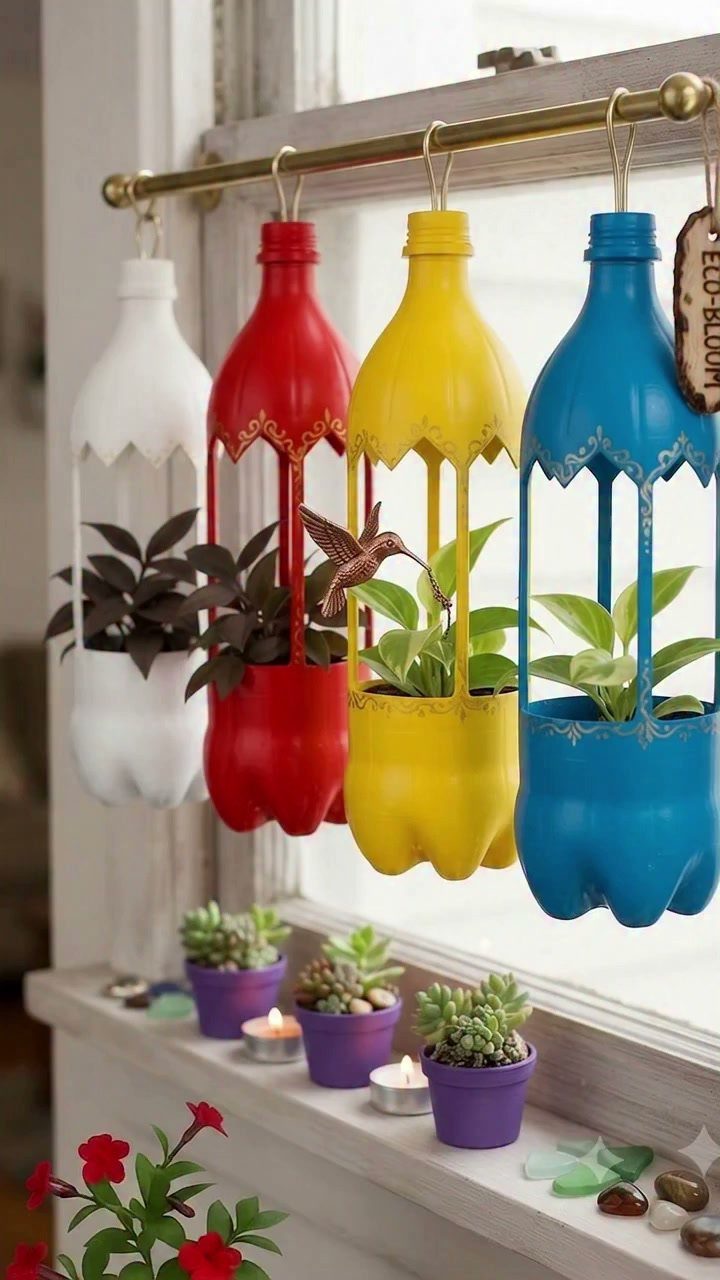
Plastic bottles cut and hung from a rod make this the cheapest entry on the list by a wide margin. A painted surface keeps the bottle from looking like recycling, though it still is.
Weight is the limit here. Wet soil in a two-liter bottle pulls on a curtain rod more than you expect; I would use a tension rod only if I were ready to pick it up off the floor.
A proper closet rod in a window frame works better. The bottles suit succulents or small starts better than thirsty herbs, and the drainage hole in the bottom is not optional unless you enjoy root rot.
6. Formal Potager Kitchen Garden Design
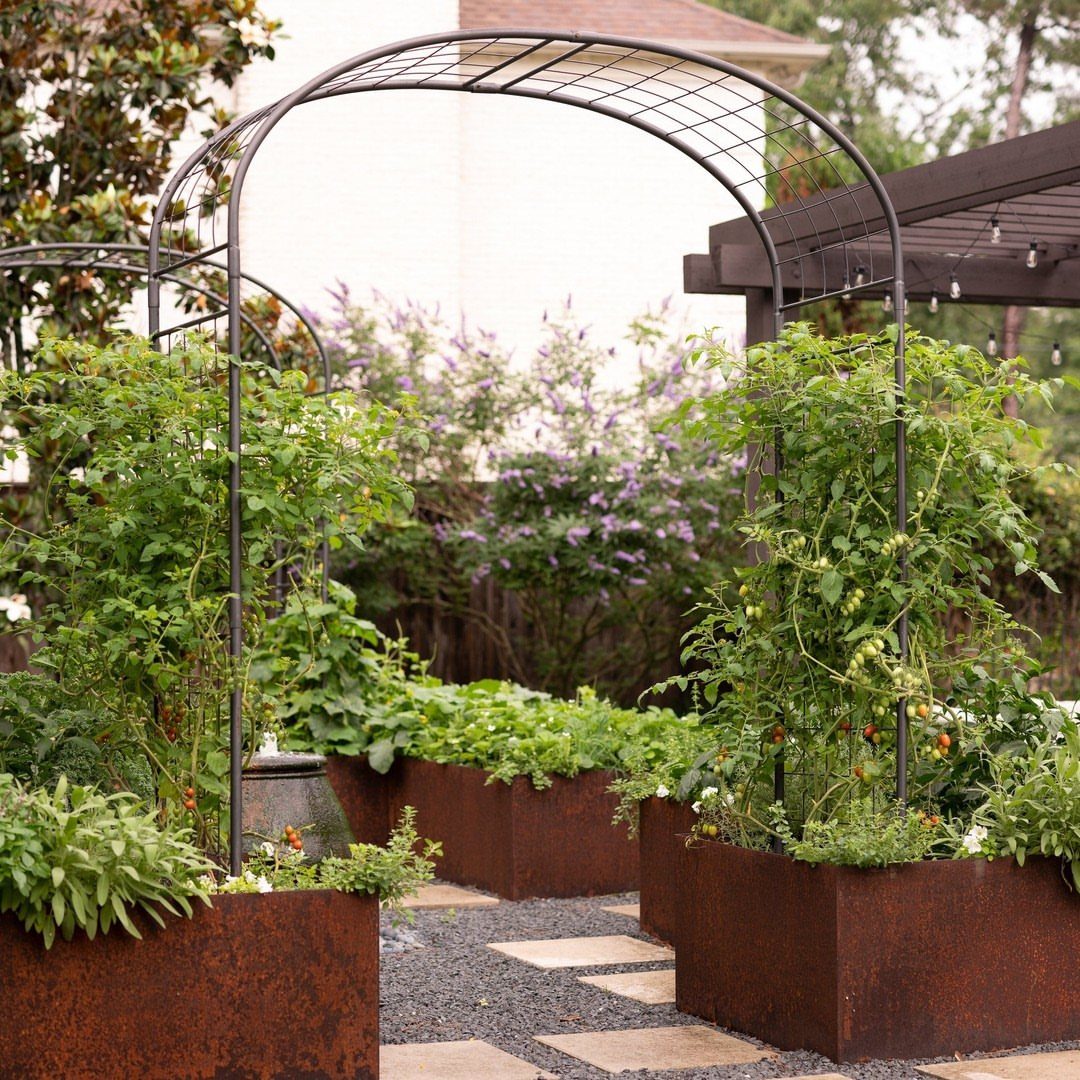
Corten steel weathers to that rust color over a season or 2 and holds its shape for years without the rot risk of wood.
Geometric beds and gravel paths are arranged for access, not just appearance; you can reach the center of each bed from the path without stepping on soil.
This is the most permanent and expensive idea here.
Gravel alone, not pavers, would cut cost and still drain well. I would lay the beds out on paper first, then with hoses on the ground, because moving steel boxes is not like shifting a planter pot.
The arch trellis is optional; the formal structure is in the grid, not the decoration.
7. Fabric Grow Bag Garden
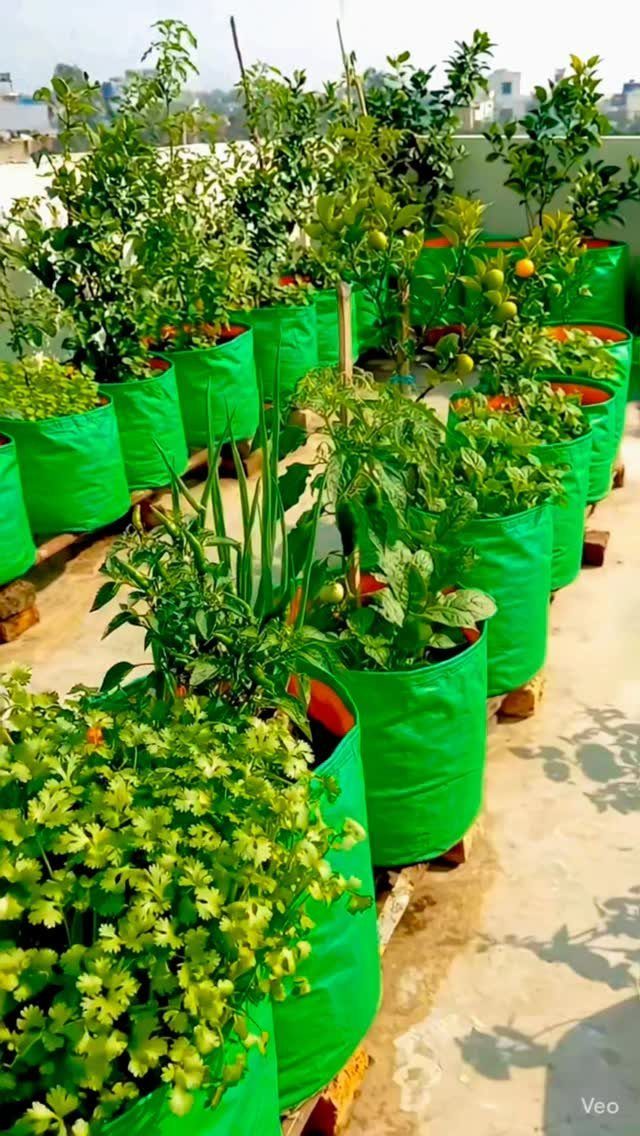
Fabric pots air-prune roots when they reach the fabric wall, which stops the circling that stunts plants in hard containers. Green felt-like rows on slats keep drainage off the terrace floor below.
I would set bags on pallets or wood rather than directly on concrete; the gap prevents staining and speeds drying after rain. Bag size depends on what you are growing.
Tomatoes want the larger end while lettuces manage fine in the smaller ones. The bags fold flat for winter storage, though that only helps if you actually put them away.
8. In-Ground Backyard Vegetable Patch
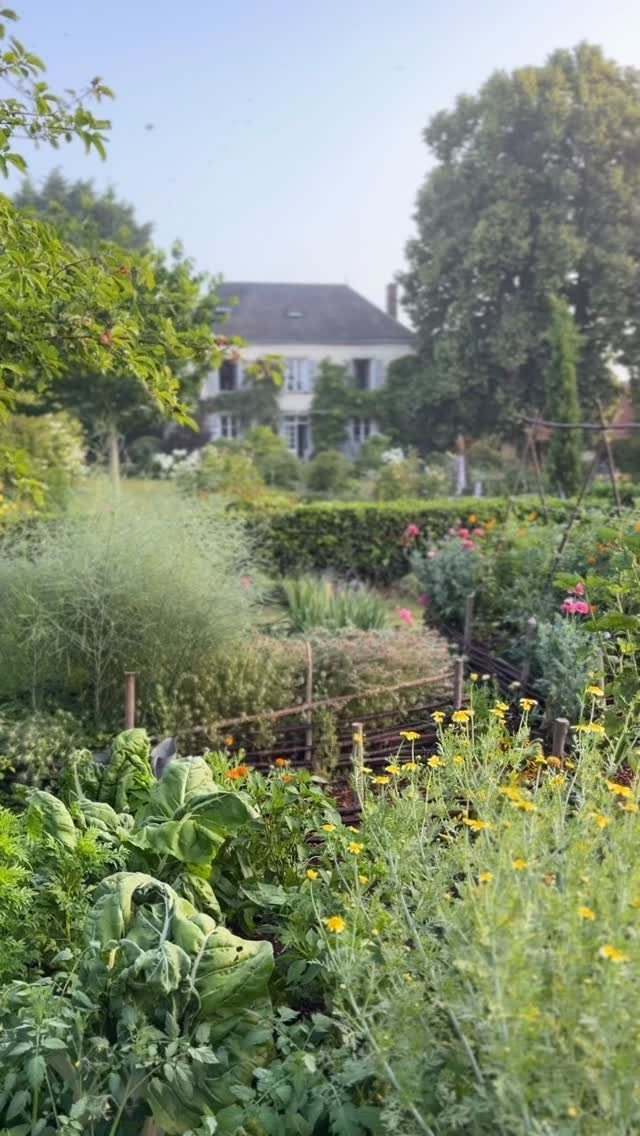
Untamed rows of chard, squash, and self-seeded calendula sit behind low wattle fencing that keeps rabbits out without blocking the view from the house. In-ground planting skips the soil purchase entirely if your dirt is decent.
Get a soil test before digging. Your county extension office runs them cheap, and lime or sulfur adjustments take months to work.
I would mark permanent paths with mulch early, because compacted soil where you walked will stay hard all season. The flowers are not decoration here; they draw pollinators and predatory wasps that cut caterpillar damage.
The duo divided the 32′ x 56′ plot into a grid of 12 raised beds, defined by paths edged with marigolds (said to repel pests) and covered in pine straw—an affordable alternative to hardscaping that also gives veggies the acidity they crave.
Best Plants for Kitchen Gardens
Basil, parsley, and thyme are the herbs I would start with if I were planting today. Oregano, thyme, and rosemary put up with the dimmer light and drier air most kitchens give them better than fussier plants would.
Mint is useful too, but it spreads aggressively; I would keep it in its own pot even in a ground bed.
For vegetables, tomatoes and peppers are the usual recommendations, though they need more sun than most windowsills provide.
Leafy greens like spinach and lettuce are more forgiving. Radishes mature fast and do not need perfect soil if you are working in a raised bed or grow bag.
Cilantro and dill are worth adding if you cook those flavors regularly, but they bolt in heat.
I would sow them in succession, a small batch at a time, rather than planting once and watching them go to seed. Chives and oregano are slower to start from seed; buying small plants saves a season.
Designing a Kitchen Garden
Symmetry is the first decision. Matching beds on either side of a central path give the garden its structure, and the eye reads the space as intentional even when the planting is casual.
Path material matters for maintenance. I would lay it thick enough to actually suppress weeds, skipping fabric that eventually surfaces no matter how well you pin it.
Color coordination works best when you think of plants as paint. Purple basil against green lettuce reads as a deliberate block; scattered color looks like a seed packet exploded.
I would place taller plants toward the back of a border or the north side of a bed so they do not shade shorter neighbors.
The grid of beds and paths carries the design; decoration is optional.
Benefits of Kitchen Gardens
A kitchen garden changes how you cook more than how you shop. The flavor difference is real, and the habit builds fast once the plants are there.
Fresh produce from the yard cuts grocery trips, though not dramatically unless you scale up.
The bigger shift is knowing what went into the soil. Chemical-free growing is easier to verify when you are the one who added the compost.
Gardening itself is the less obvious benefit.
The time outside, the small decisions about water and harvest, matter for mental health in a way that is hard to measure but easy to feel. I would not promise it replaces therapy, but it beats scrolling.
The carbon footprint reduction is modest for a small plot.
Food miles are a fraction of most meals; the bigger win is cutting waste. A carrot pulled as needed does not rot in a crisper drawer.
Frequently Asked Questions
How can I start a kitchen garden?
Pick the sunniest spot you have, then match your plants to what that light offers. Typical kitchen windows suit basil, parsley, and thyme fine, though tomatoes and peppers want more sun than most sills can give.
Check your soil before you invest much time; county extension offices run cheap tests that tell you whether you need lime or sulfur, and those amendments take months to work.
Start small, with one or two herbs you actually cook with, so the habit sticks.
How long does it take for plants to grow?
Leafy greens like spinach and lettuce are the fastest payback; you are cutting in weeks. Tomatoes and peppers sit at the other end, needing a full season and more sun than most small setups provide.
What veggies like to be planted by each other?
Tomatoes and basil are the classic pairing; the basil handles the same full sun and the leaves are right there when the sauce needs them.
Lettuce and spinach work beneath taller neighbors if you place them on the south side so they still get light.
Mint goes in its own pot even when the bed is open ground; the roots run and it will crowd out whatever shares the soil.





