
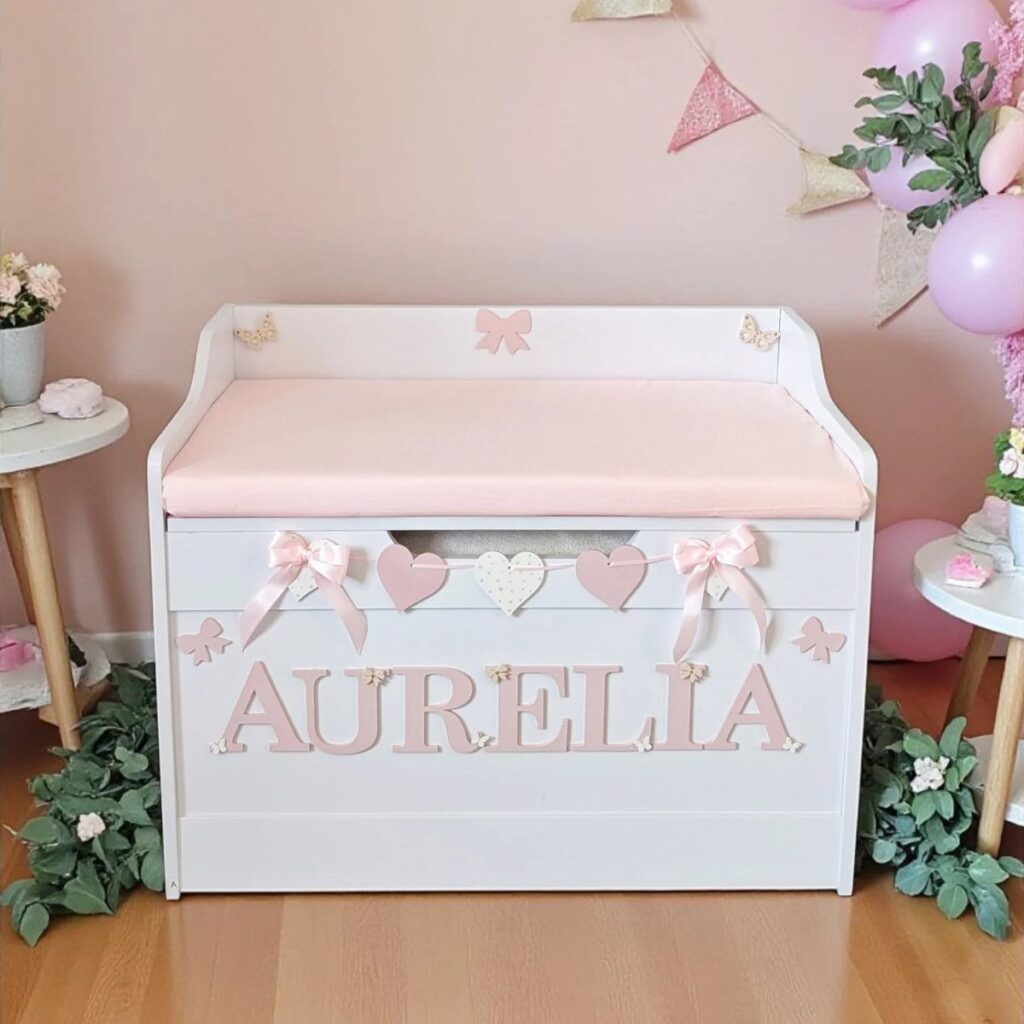
These ideas run from a fabric basket you can fold flat to a built-in cabinet system that takes a few hundred and some wall access, and the one that fits your room depends on whether you own the walls or just the floor space inside them.
Renters with a sectional and no drilling rights will land differently than a first-time homeowner measuring an alcove for pull-out cabinets.
The full-extension drawer slides alone are worth the upgrade; anything less leaves the back row of toys buried where small hands cannot reach them.
[link-whisper-related-posts]1. Decorative Storage Baskets
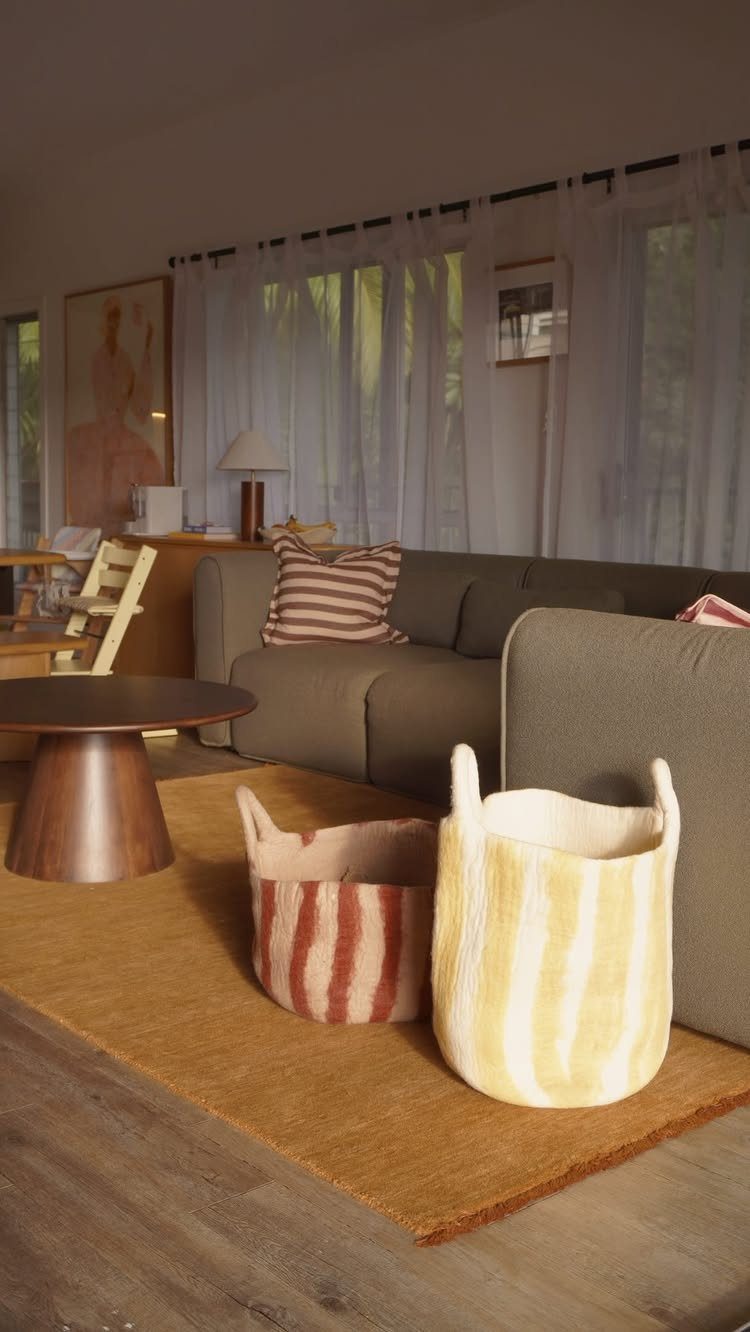
Striped fabric baskets like these turn open floor space into storage without announcing themselves as toy bins.
I would check the lining before buying; felt-like fabrics shed fuzz onto small hands and light carpet. A woven cotton or canvas lining cleans easier and holds its shape longer.
A basket this size fits picture books and stuffed animals but not train sets. Measure your open shelf or floor spot first; too tall and the rim blocks sight lines across the room.
2. Toy Cubbies
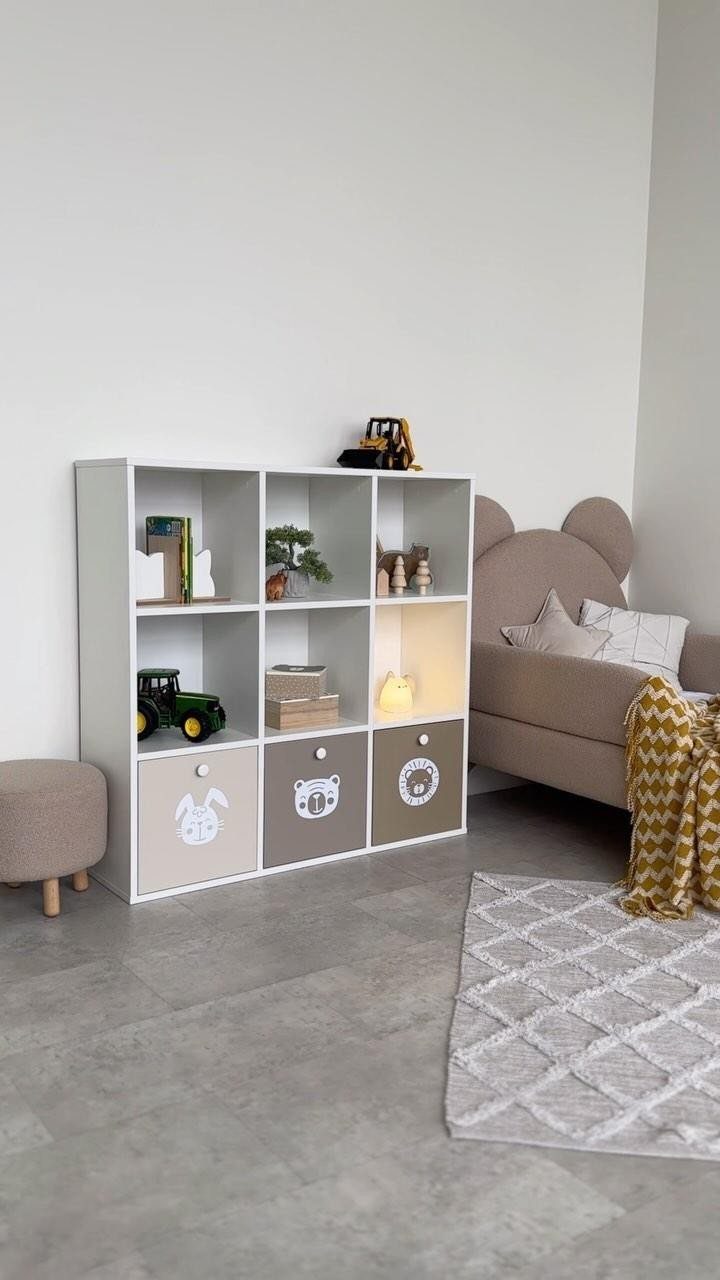
Nine-cube shelving gives each toy category its own address, which I find cuts morning cleanup in half.
A unit that sits low lets a preschooler reach the top row standing, and animal-faced bins along the bottom teach even non-readers where things go back.
I would anchor this to the wall.
Cube units this light tip when a toddler climbs for the top shelf. Openings sized for standard fabric bins mean you should buy those first and build your shelf count around them, not the other way around.
3. Toy Chests
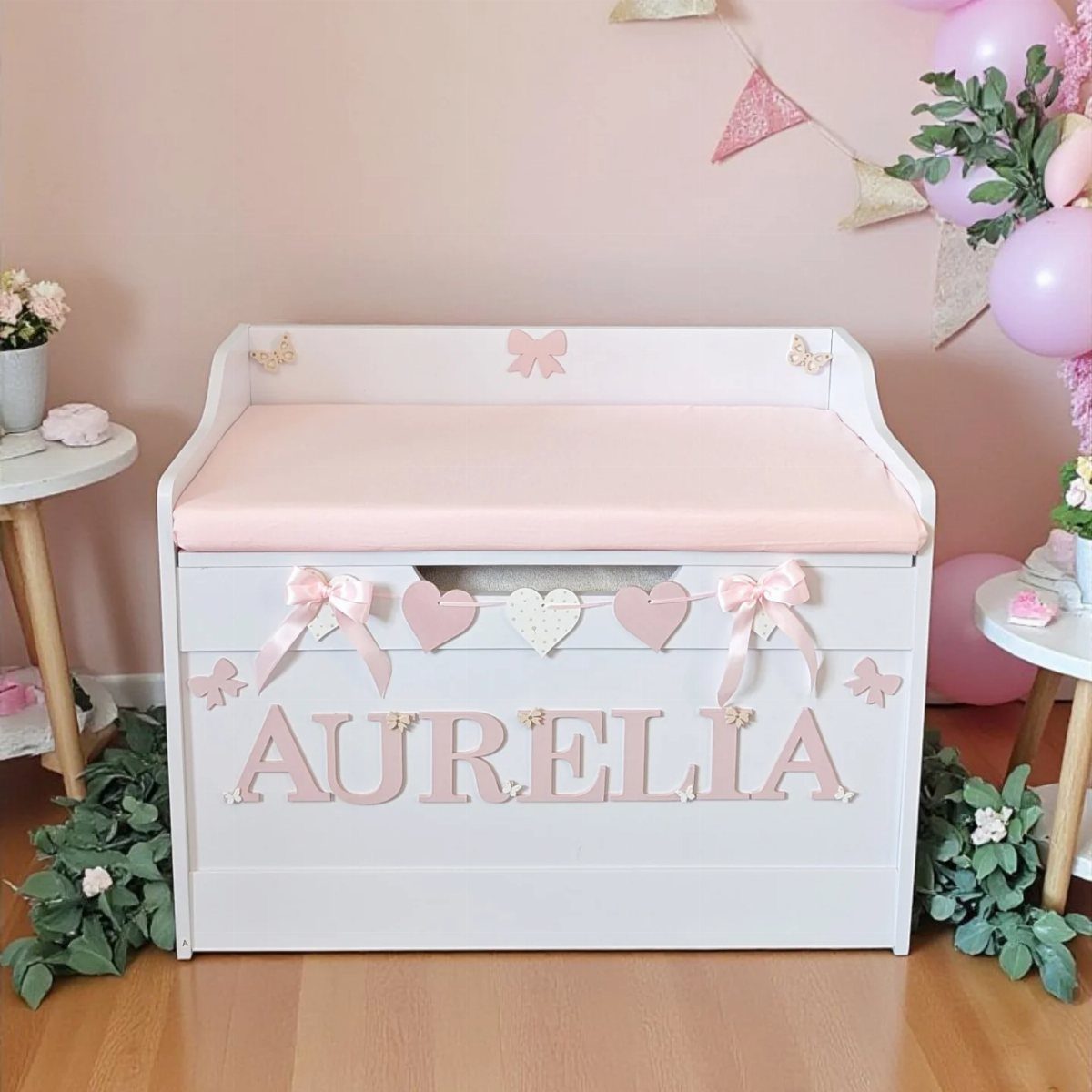
A lidded bench seat stores toys and gives a child a place to pull on shoes, which is why I keep one near my own back door.
A padded top in vinyl or coated fabric wipes clean, but it shows cat scratches and marker faster than a plain painted lid would.
Personalized lettering looks charming in a nursery, though I would skip the name if you might move it to a shared playroom later.
A front-hinged style stays open hands-free, unlike a top-lift chest that needs one arm to hold while you dig with the other.
4. Storage Ottoman
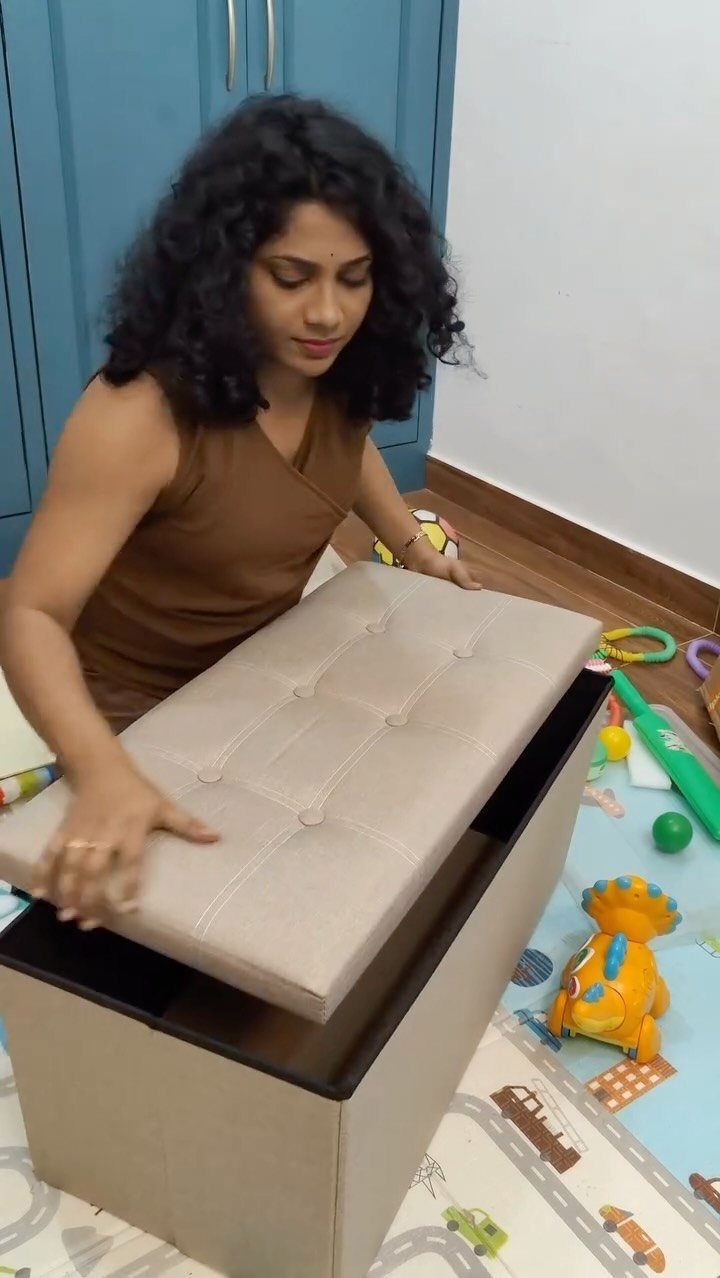
Tufted ottomans with lift-off lids hide storage in plain sight, which matters when your living room doubles as the play zone.
The rectangular shape here fits against a sectional better than a round one would, and the beige upholstery reads as furniture, not baby gear.
I would test the lid weight in store. Too light and a toddler can pry it off; too heavy and you will not bother opening it.
The interior in most versions is unfinished plywood; line it with a washable mat if you are storing soft toys that pick up splinters.
5. Built-In Pull-Out Cabinets
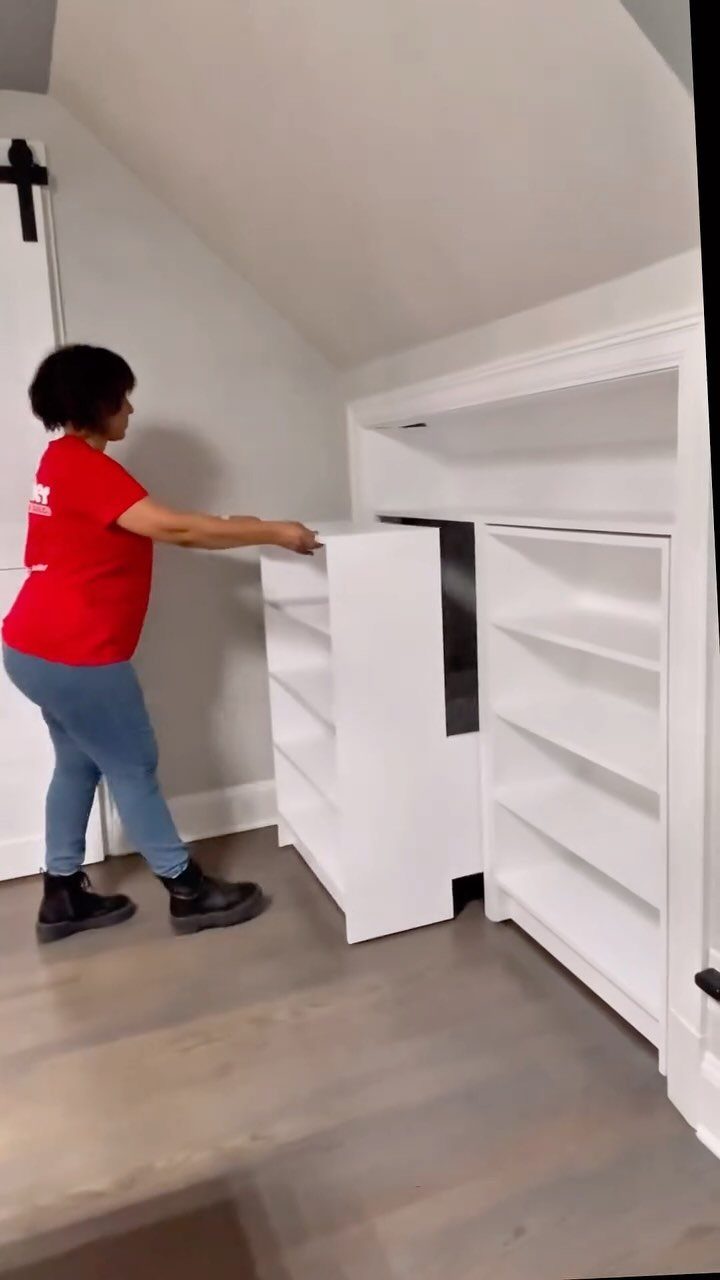
Pull-out tiers bring cabinet depth forward so nothing gets buried, which I think matters more in toy storage than in any kitchen pantry.
Side-mounted drawer slides with full-extension hardware cost more than the 3/4-extension kind, and I would pay the difference for the back row.
This needs built-in depth to be useful; anything shallow turns into a junk drawer.
I would measure your alcove before ordering the frame; stock units often need more depth than you expect. The white finish matches standard closet melamine, but wood grain would hide fingerprints longer in a high-traffic room.
Involve the Kids
Ask a child where their favorite toy belongs and you will probably get a more honest answer than from any adult.
I would hand mine a flashlight and have them show me where things actually get used: the floor near the sofa, the corner by the bed, the spot where afternoon light falls.
Those are your storage sites, not the closet you had in mind.
Let them pick which bin color goes to which category. A preschooler who chose the red basket for blocks will remember that choice at cleanup time, and I think that memory matters more than any label I could print.
I would keep the planning session short, though. Real input from them beats glazed nodding, and you can refine the system later without calling another family meeting.
The best decorators look to textured bins, concealed spaces, roomy baskets, and ingenious built-ins. Ahead are the smartest toy storage solutions for sporty kids, arty kids, or those that love playing dress-up.
Decluttering Toys
I sort toys with four boxes ready: one for charity, one for keepsakes your child has outgrown, one for trash, one for recycling.
Broken toys go straight to trash; toys missing pieces get their own corner until the sort is done, and if the missing parts do not turn up, I would let them go then.
I do not linger over single items. The question is whether it gets played with, not whether it might someday.
Once the stay-or-go decision is made, I move donations to the car immediately; an empty trunk means they are out of the house before anyone changes their mind.
A cleared space lets you plan activity zones if the room allows: a craft spot, a reading corner.
I find this matters less in a shared bedroom than in a dedicated playroom, but even a shallow zone between bed and wall helps a child know where play starts and stops.
Colorful Organization
Color on shelves works as a sorting system: one hue for blocks, another for vehicles. A child who cannot read yet can match a toy to its shelf by color alone.
Wall shelving doubles as display space, which I think matters for the stuffed animals that otherwise colonize beds. A high narrow ledge for favorites keeps them visible but off the floor.
For small parts like Legos, sort by shape into separate bins; color-coding works for the Duplo stage, but once you are hunting for a specific two-by-two plate, you will want all the bricks of one type together.
Cleanup goes faster when a child knows the red pieces live in the red container, and I would rather buy matching bins once than re-sort a mixed tub every Saturday.
Patterns and textures on fabric bins add the same visual interest without needing a whole painted wall unit.
Frequently Asked Questions
How do you store a lot of toys?
I would use a mix of open shelving and closed storage, not one or the other.
Open cube units let a child see what they have, which means toys actually get played with, while lidded benches and ottomans hide the overflow when the living room needs to look like an adult space again.
Clear bins work for small parts, though I prefer fabric bins with a cotton or canvas lining since felt-like fabrics shed fuzz that ends up on hands and carpet.
Toys stored where a child can reach standing actually get played with and put back; anything higher sits untouched.
What is the best way to involve kids in organizing?
Hand them a flashlight and ask where their favorite toys actually get used, then put storage there instead of where you planned.
I would also let them pick which bin color goes to which category; a preschooler who chose the red basket for blocks remembers that choice at cleanup time, and that memory works better than any label I could print.





