
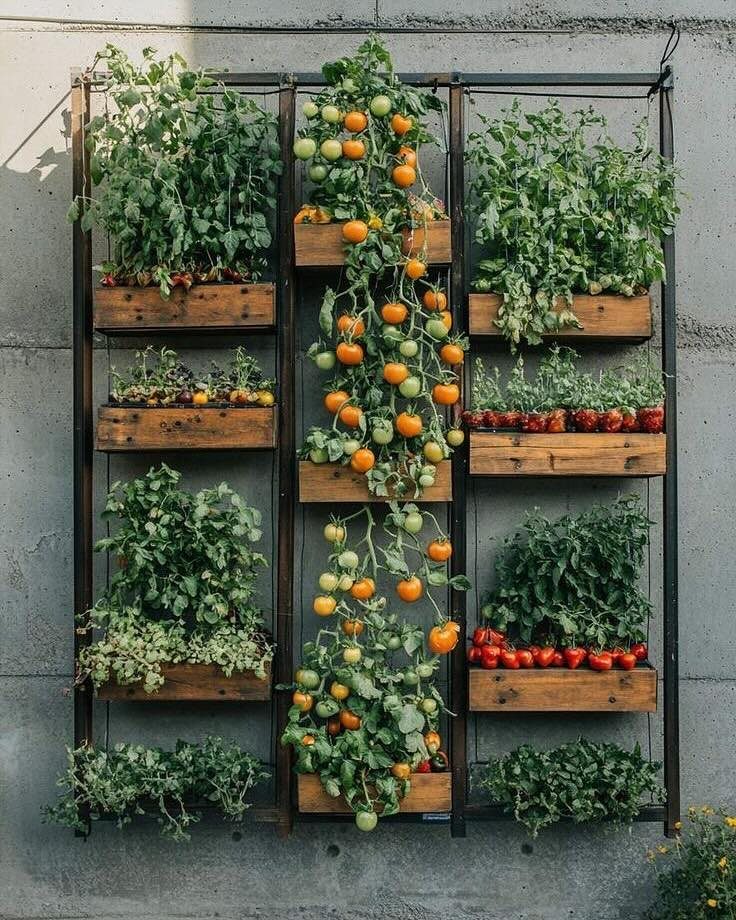
These 6 veg garden ideas run from fabric bags on a balcony to permanent lumber beds in a yard, and the one that fits you depends on whether you own the ground, rent it, or only control a wall.
A 10-inch bed depth handles most vegetables, but a 5-gallon fabric bag is what I would use where load limits or a landlord’s rules make anything heavier impossible.
[link-whisper-related-posts]1. Raised Beds
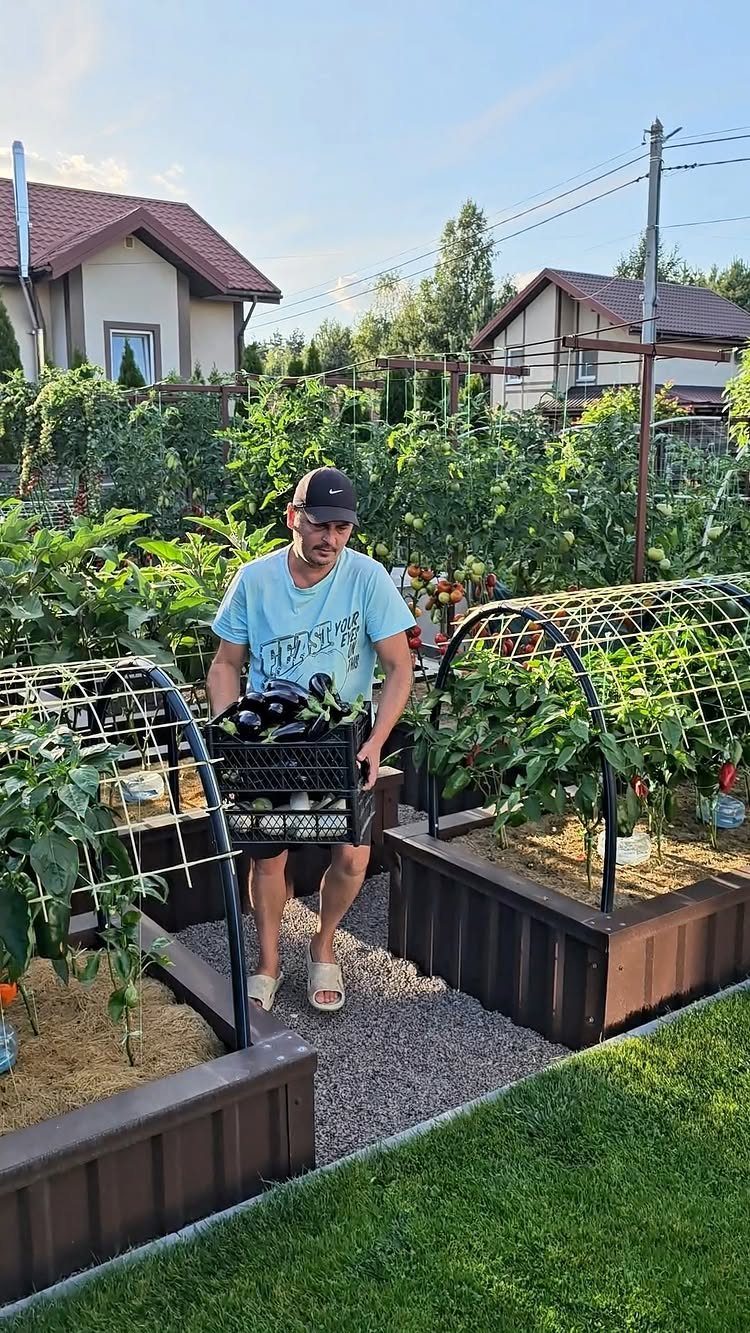
Raised beds lift your soil above whatever you’ve got now, which is half the battle on compacted clay or weedy ground.
I build mine from 2 x 10 cedar or hemlock; the 10-inch depth handles most vegetables and the wood lasts 5 to 7 years untreated.
Before you buy lumber, pace out your reach: my rule is keep bed width down to what your arm spans from either side, so you can tend the middle without stepping in and compacting soil.
Gravel paths between beds drain fast and keep mud off your shoes.
2. Vertical Gardening
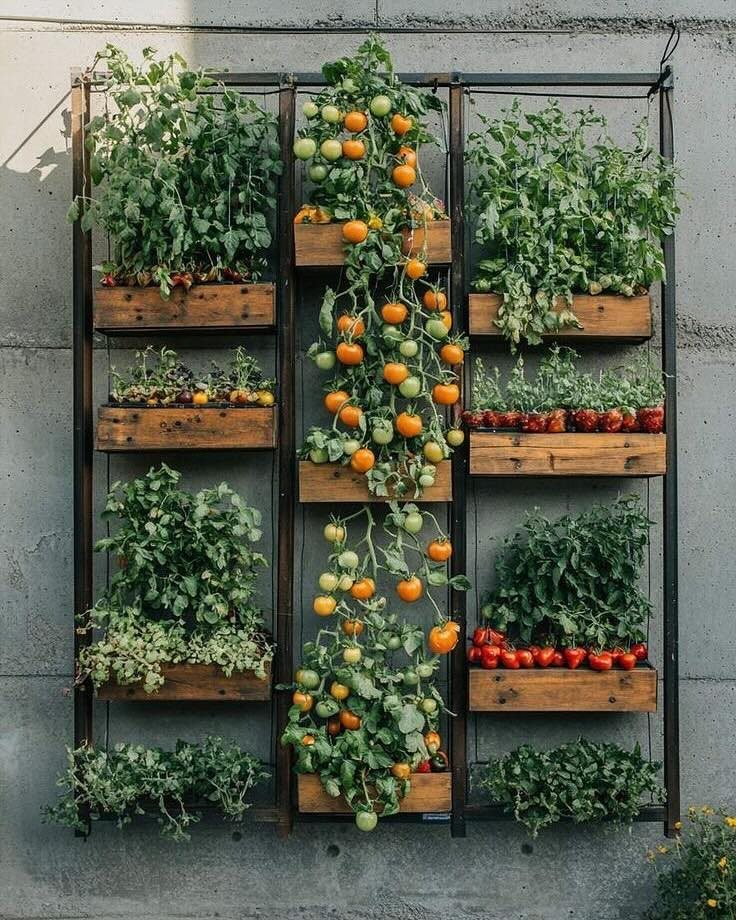
Vertical gardening is what you do when floor space is a balcony, a strip of patio, or a shared yard you do not control.
I would check the wall’s load capacity before anything heavy goes up, and plan water carefully since drainage runs downward onto whatever sits below. This setup suits renters who want to take their garden with them when they move.
3. Square Foot Gardening
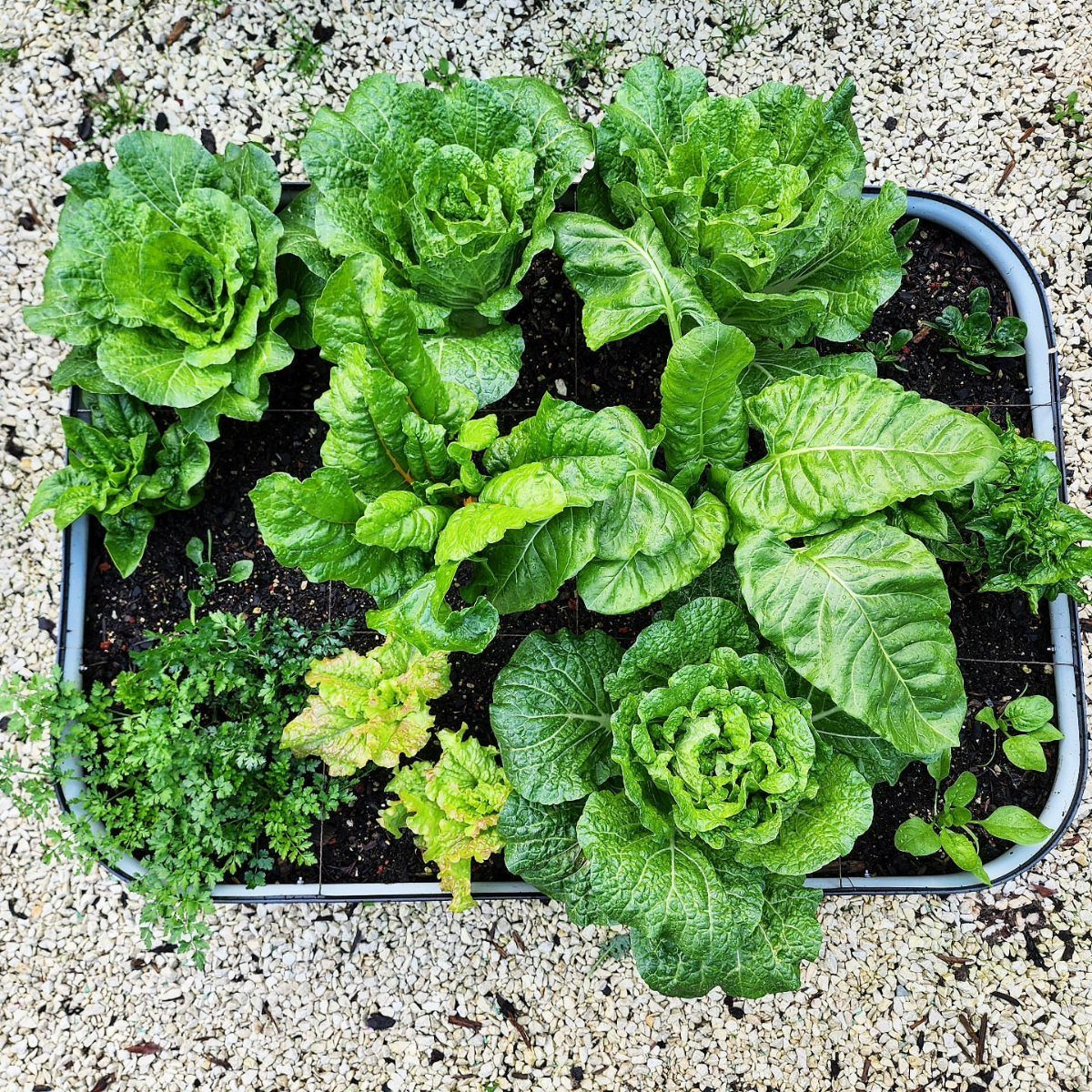
Square foot gardening divides a raised bed into a grid of foot-wide squares, so you plant by area instead of row spacing. String lines keep the geometry visible all season.
I like this method because it answers the beginner’s question of how many plants fit in a given patch with a number you can look up per crop. Your soil mix matters more than usual since every inch gets used.
4. Vegetables with Flowers and Shrubs
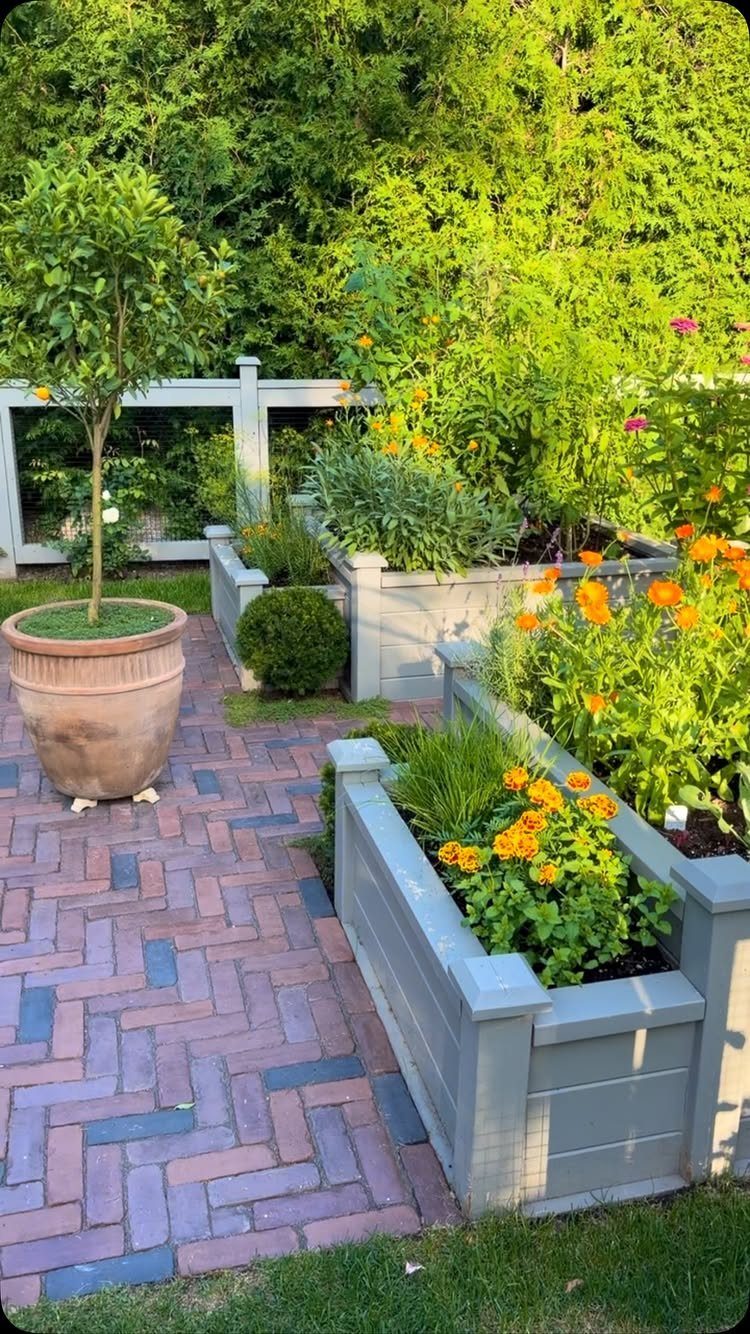
Vegetables with flowers and shrubs is the approach I would take on a patio that has to look good enough to sit near.
Marigolds among the greens draw pollinators and some claim they deter certain pests; a potted citrus tree gives structure at knee height and something to scent the air.
Flowers and shrubs take space from edibles, so I would keep the flowers compact and the shrubs in pots if the bed is shallow.
Brie Arthur explains she started foodscaping because it looked normal enough to be “100% homeowner association approved.” Edible landscapes like this take advantage of traditional underutilized spaces like the beds abutting houses that are convenient to garden, as well as space between shrubs, trees, and perennials.
5. Smaller Plots with Walkways in Between
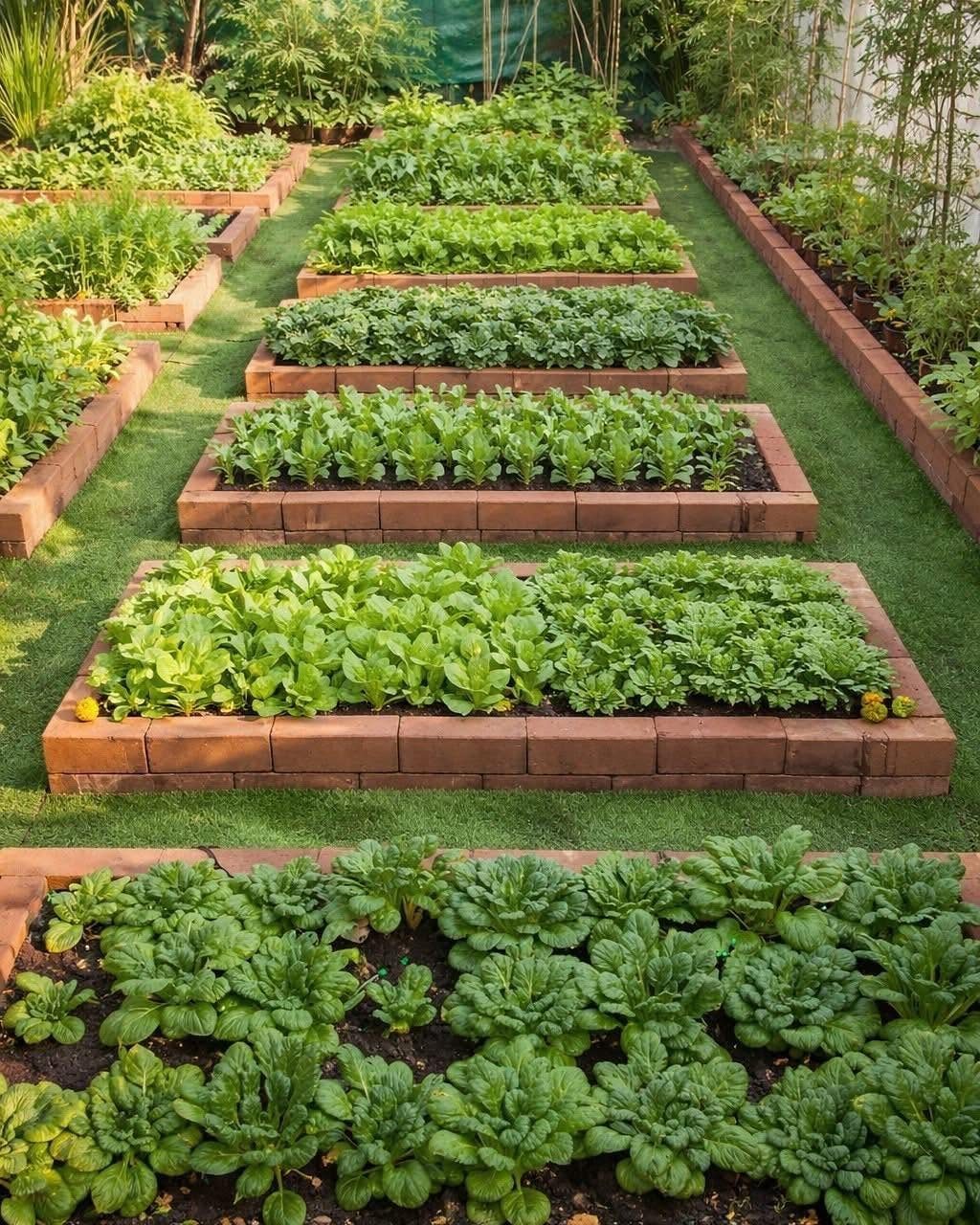
Smaller plots with walkways in between break one big bed into several you can reach from all sides.
Brick edging is handsome but I would use whatever is cheap locally; pressure-treated 4 x 4s, steel edging, even mounded soil if the grass path is firm enough.
The grass between these beds saves material cost over gravel and stays cooler to walk on barefoot. Plan your path width for a wheelbarrow if you compost; shoulder-width is the minimum I find workable.
6. Fabric Grow Bags
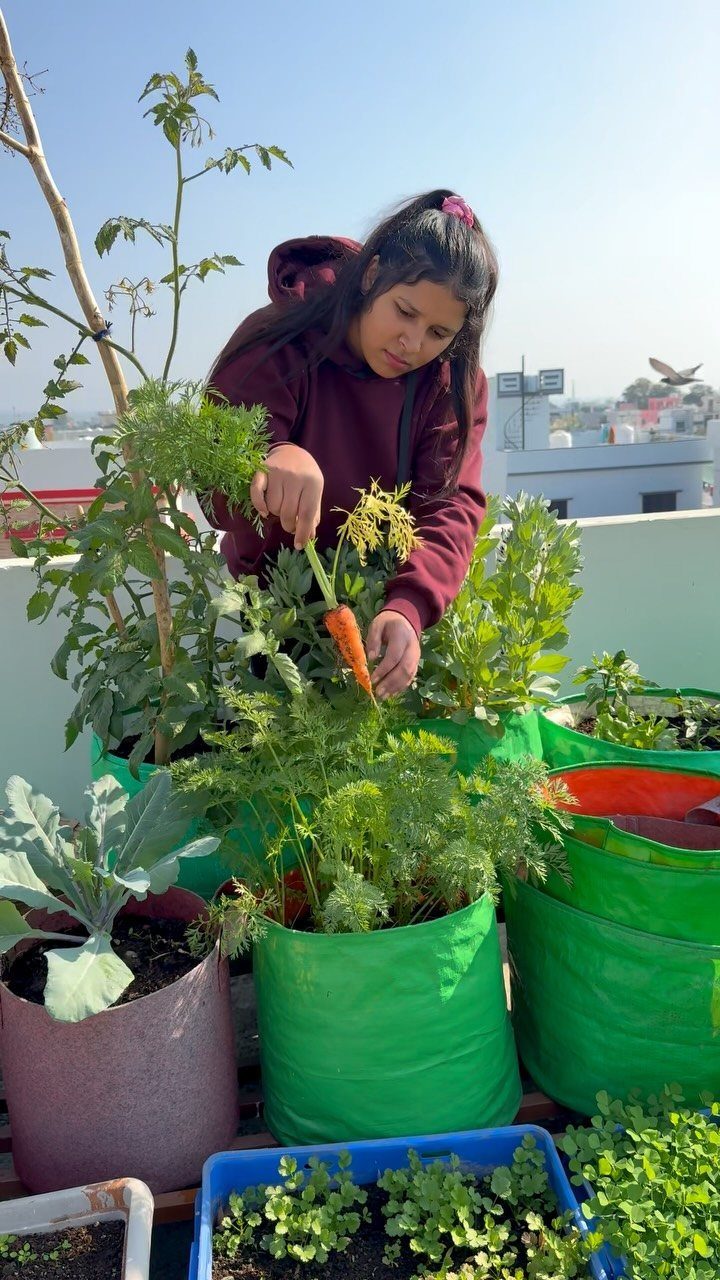
Fabric grow bags are what I would use on a rooftop where load and drainage rules out anything heavier.
Fabric air-prunes roots as they reach the wall, keeping the plant compact and productive; when the season ends, you fold the bag flat and store it in a drawer.
A 5-gallon bag handles one determinate tomato or a cluster of carrots; size up for indeterminate vines that keep growing all season. Check that your fabric is food-grade and BPA-free, since not all are.
Assessing Garden Space
Track shadow patterns through a full day before you commit a raised bed to a spot. Trees in full leaf block more sun than their bare winter outlines suggest, so check in June or July if you can.
Fruiting crops like tomatoes and peppers want full sun all day; less sun shifts your lineup to leafy greens and herbs, which is fine if you plan for it.
Wet soil after a rain means trouble for most vegetables.
A quick drainage test: dig a hole about a foot deep, fill it with water, and see how long it takes to sink in. If water still pools, plan on a taller bed or a different site.
Frost pockets collect in low ground and hollows.
Spring mornings run colder there, setting back anything you started early. I would spend a season watching frost patterns before I built anything permanent.
Soil Preparation
Raised beds warm faster in spring and dry sooner after a rain, which gets you planting earlier than flat ground allows.
Heavy clay or sand needs organic matter worked in, but a raised bed lets you start from scratch with a mix instead of fighting what is there.
Rotate crops bed to bed, year to year, and the planning stays simple. Multiple beds make this easy; add one or two as you learn what you actually eat.
Planting Schedule
Your last spring frost date sets the whole calendar. A soil thermometer is cheap insurance against rotted seed.
Cool-season crops run on a separate track.
Peas, spinach, and lettuce go in well ahead of your last frost, and many bolt once the real heat arrives. Plant in batches every couple of weeks for a steadier harvest instead of one overwhelming flush.
First frost in fall is the other hard stop.
Count backward from your variety’s days to maturity, and add 2 weeks for slower growth as light fades. I would rather harvest young than lose plants to a freeze I saw coming.
Frequently Asked Questions
What is the best layout for a vegetable garden?
Raised beds you can reach across from either side, square foot grids, or smaller plots with walkways between them all work well.
Run beds north to south so plants get even sun, and put the tallest crops on the north end so they do not shade shorter ones.
I would keep bed width to an arm span, which keeps you from stepping into the soil and compacting it.
What are the golden rules for designing a garden?
Sunlight, drainage, and reach are the three that matter most.
Fruiting vegetables need full sun all day; leafy crops handle less. Keep any bed narrow enough that you can tend the middle without stepping in and compressing the soil.





