

These 9 DIY hidden storage ideas run from a hollowed book to a full Murphy door, with builds that take an afternoon or a full weekend and budgets from spare parts to a sheet of 3/4-inch plywood plus two good cabinet hinges.
The one that fits you depends on whether you need to hide small items you reach for daily or larger things you store long-term, because a fingertip drawer in a lamp base and a swing-out mirror compartment solve completely different problems.
[link-whisper-related-posts]1. DIY Book Safe

A book safe starts with a hardcover thick enough to cut a cavity through its pages without punching out the back cover.
Check the spine first: a glued binding holds together better than sewn signatures once you slice the interior block free.
I would pick a title that actually sits on my shelf, not a decorative prop, because the best hiding spot is one nobody thinks to move.
A craft knife and ruler get you the rectangular hatch; lining the cavity with felt or paper gives you clean edges and keeps small items from catching.
You lose the book itself, cover and pages, which keeps this from being a project I’d pick for anything with sentimental value. Once you hollow it, you are not reading it, so use a duplicate or a yard sale find.
2. Coat Rack with Hidden Storage
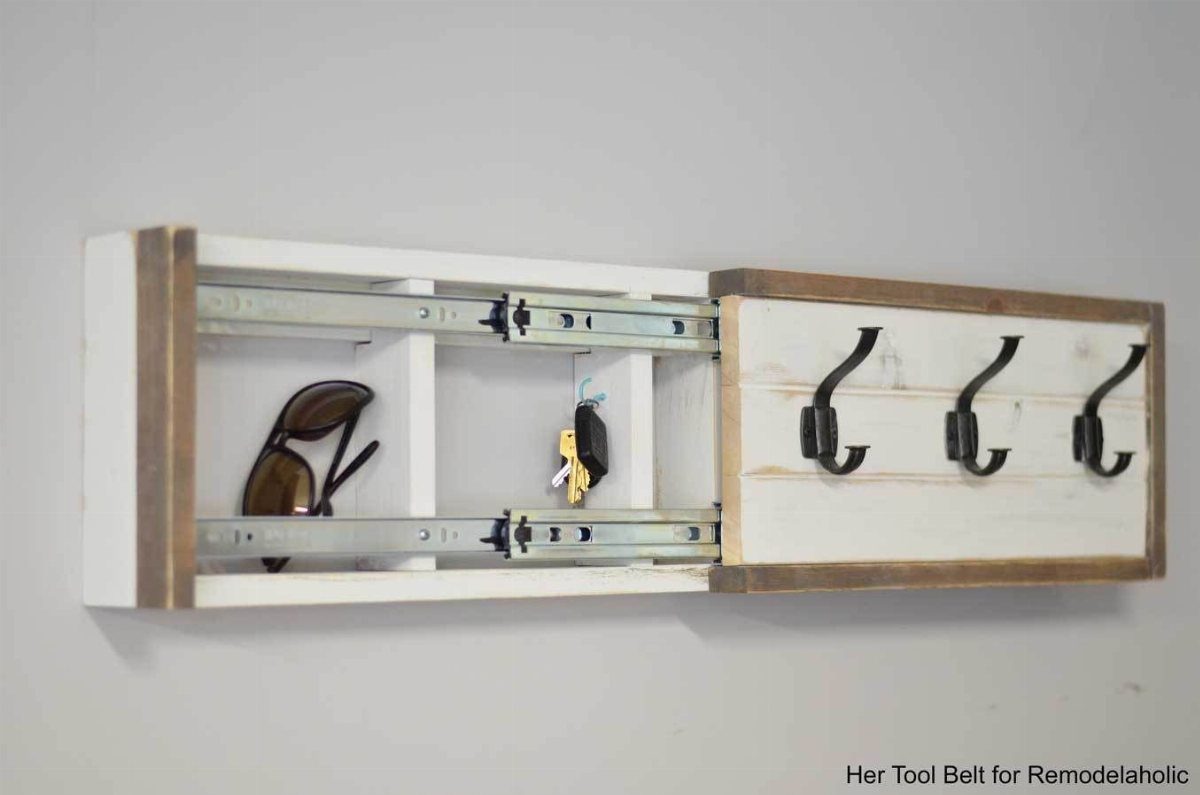
This coat rack hides its storage behind hooks mounted on drawer slides. The visible rack looks ordinary: hooks on a wooden back plate, nothing that hints at the tray or shallow compartments sliding out from behind.
Before you build, check your wall framing. The slides need solid backing to carry the weight of keys, sunglasses, a wallet, and the rack itself will sag if you anchor only to drywall.
Standard side-mount drawer slides mean the rack body sits slightly off the wall, enough that you will notice it from the side.
I would keep the overall depth shallow so the finished piece still reads as a slim wall rack, not a cabinet pretending otherwise.
Build the box from thin plywood or solid stock, finish the front face to match your hooks, and let the hardware do the work of alignment.
That gap is what tells people something is back there. Even well-fitted, the seam between fixed frame and sliding panel is visible up close, so this works best in an entryway where guests hang coats without studying joinery.
3. Mirror with Secret Compartment
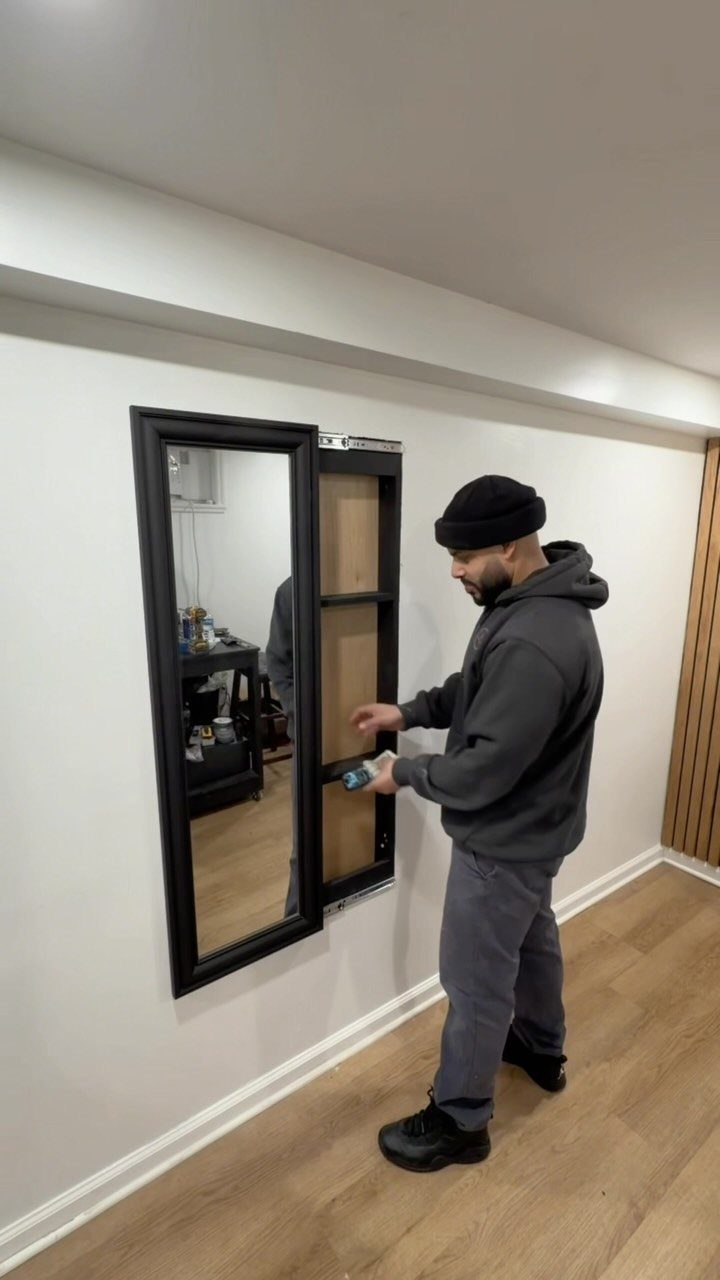
A full-length mirror on drawer slides swings or slides aside to reveal shelving set into the wall cavity.
A mirror with a secret compartment can be built as a shallow box that mounts between studs, so the storage depth is whatever you build into the frame plus the cavity behind your drywall, if any; otherwise the full box sits proud of the wall.
Before you plan, know your wall. A mirror this size is awkward solo, and the slides need to be heavy-duty; standard drawer hardware will twist and eventually fail under the load.
I would use full-extension soft-close slides and build the box from plywood thick enough to stay flat, with a face frame that laps past the wall edge to hide any uneven cutting.
Getting to what is inside takes longer than opening a drawer.
Sliding a mirror aside takes longer than opening a cabinet door, so this suits items you do not reach for daily: documents, backup devices, a small safe, or guest linens behind a decorative piece.
4. Floating Shelf with Secret Drawer
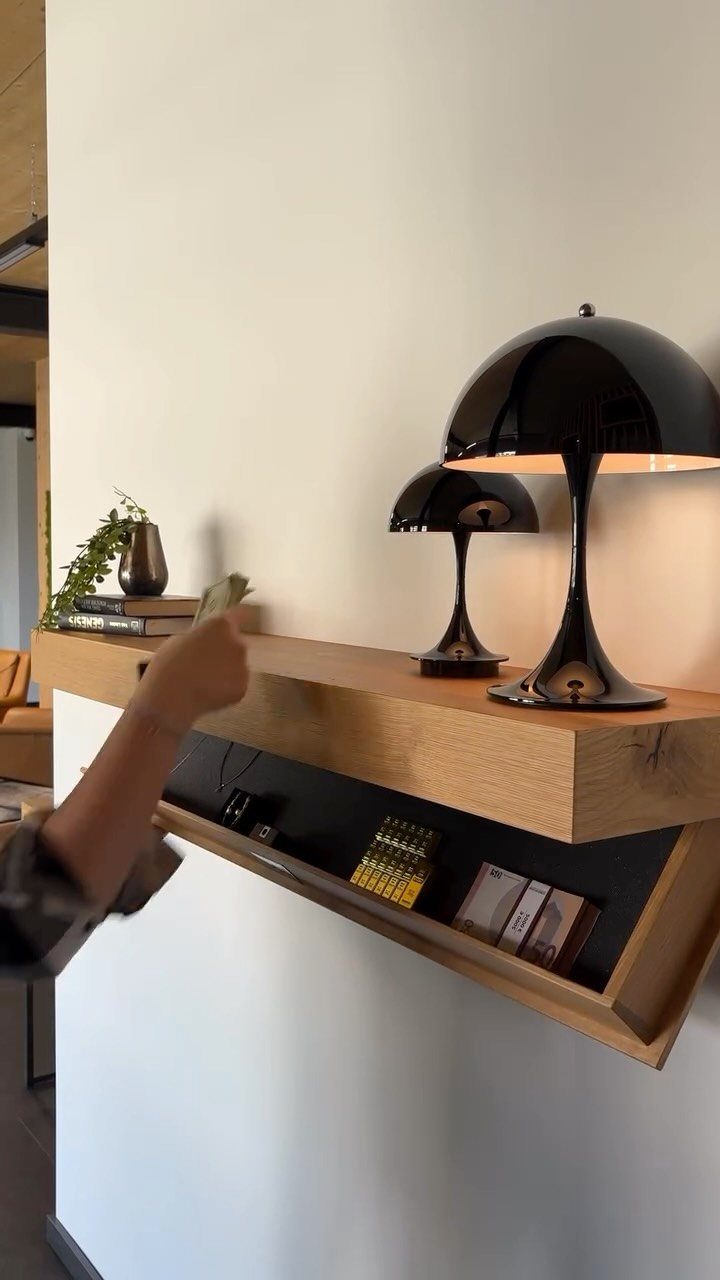
A thick shelf body is what makes this work; enough depth to pivot the bottom edge outward and carve out a compartment behind it.
The visible wood is a single plank face with clean grain, and the pivot happens at the top edge where the shelf meets the wall bracket. A touch latch or magnetic catch holds the front flush.
The hardware needs to carry the full weight of the shelf plus whatever sits on top of it, and the hinge mortises must not weaken that anchor point.
I would use a hardwood like oak or maple, build the box as a torsion structure with a back panel glued and screwed to the top and sides, and line the bottom with felt to keep contents from rattling.
The gap where the front meets the sides is what betrays you. A narrow shelf looks like ordinary millwork; too wide and it looks like a cabinet missing its door and gives away the game.
5. Lamp with Storage
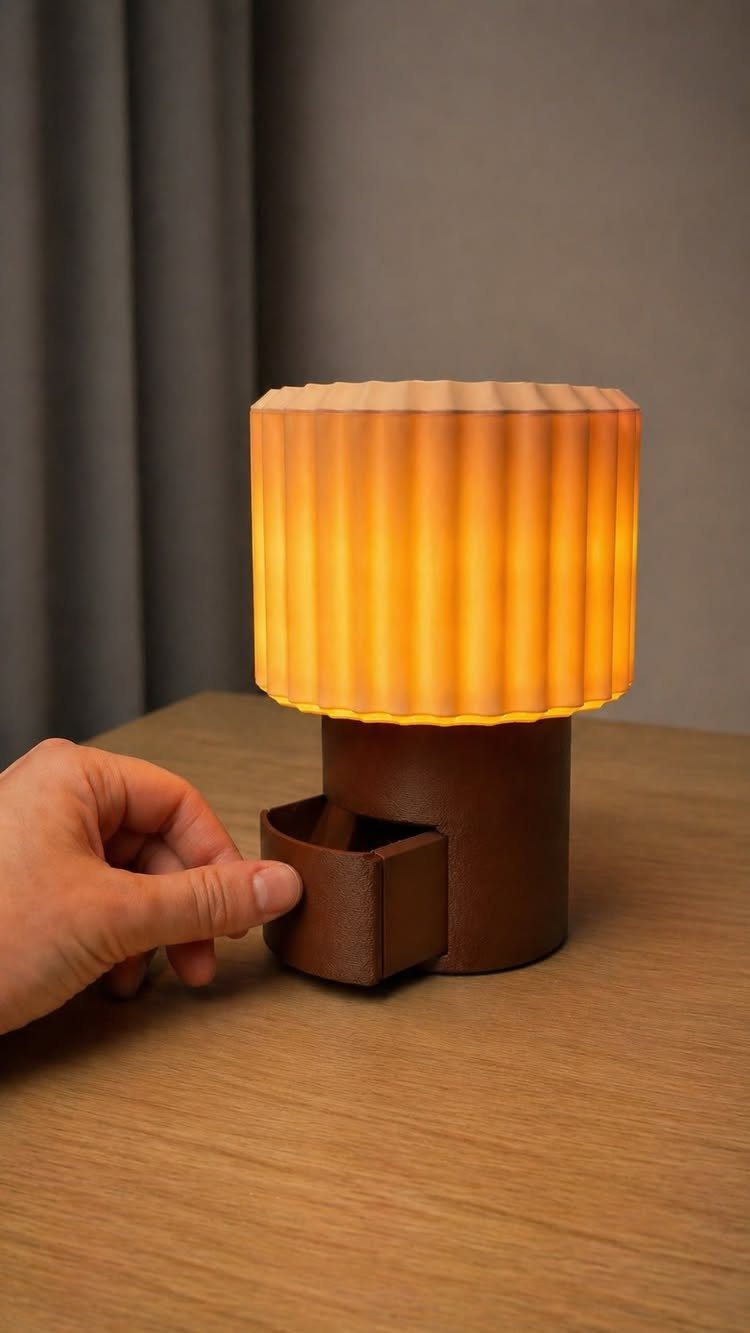
A lamp with a drawer in its base turns a table surface into a two-for-one station: light above, small storage below. The pull is a fingertip recess, not a handle, so the silhouette stays clean.
The challenge is wiring. A lamp cord needs a path through the body that does not intersect the drawer cavity, or the cord must flex and retract cleanly when the drawer opens.
I would build the base as a hollow box with a central column for the cord, the drawer wrapping around that core like a C-shaped tray.
A rotary tool or sharp chisel carves the finger pull; a router risks blowing out the thin front face.
The limit is size. The drawer holds what fits in a space small enough for keys, a spare flash drive, earbuds, not a tablet or full-size remote.
6. Coffee Table with Hidden Storage
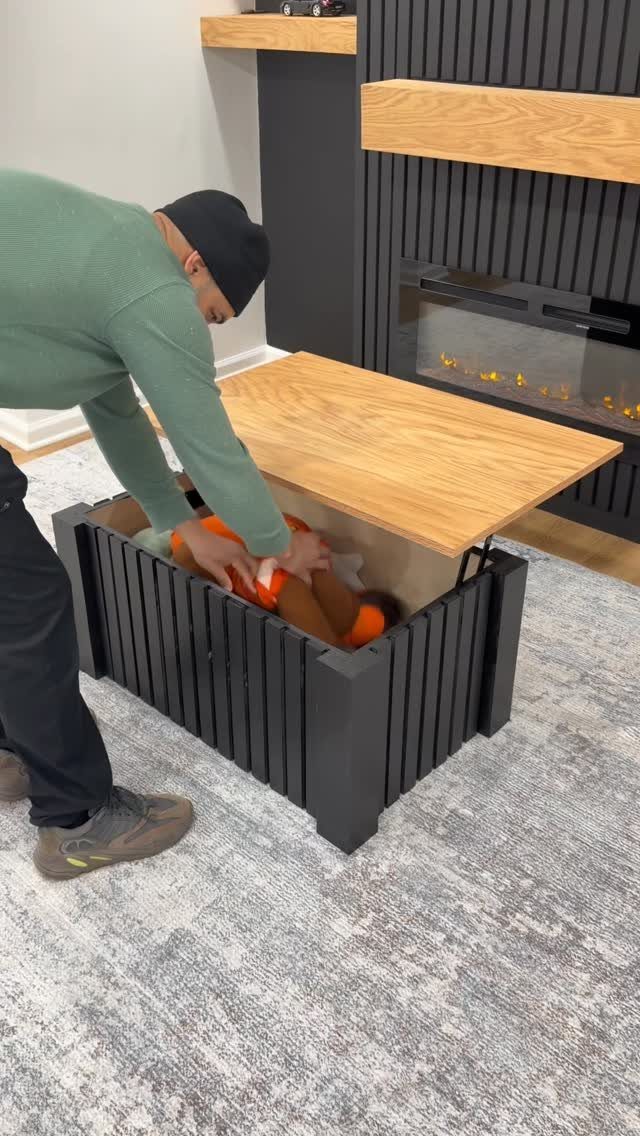
A lift-top coffee table with a storage bay underneath turns the center of your living room into a hiding spot large enough for blankets, board games, or the oversized items smaller pieces cannot swallow.
Before you buy or build, measure your sofa seat height. The top should sit low enough below your knee when seated that the lifted surface works as a lap desk for eating or typing.
I would check that the lift mechanism is spring-assisted; an unassisted lid on a heavy table is a pinch hazard and awkward to open one-handed.
The lid itself carries weight, which is both the benefit and the burden. A thick, attractive lid is heavy, and the hinge hardware takes the load every time you lift it.
Cheaper tables use lighter tops that flex; I would upgrade the hinge or build with a hardwood lid and steel piano hinge rather than the brass-plated stamped hinges that come in most kits.
7. Hidden Storage Ottoman
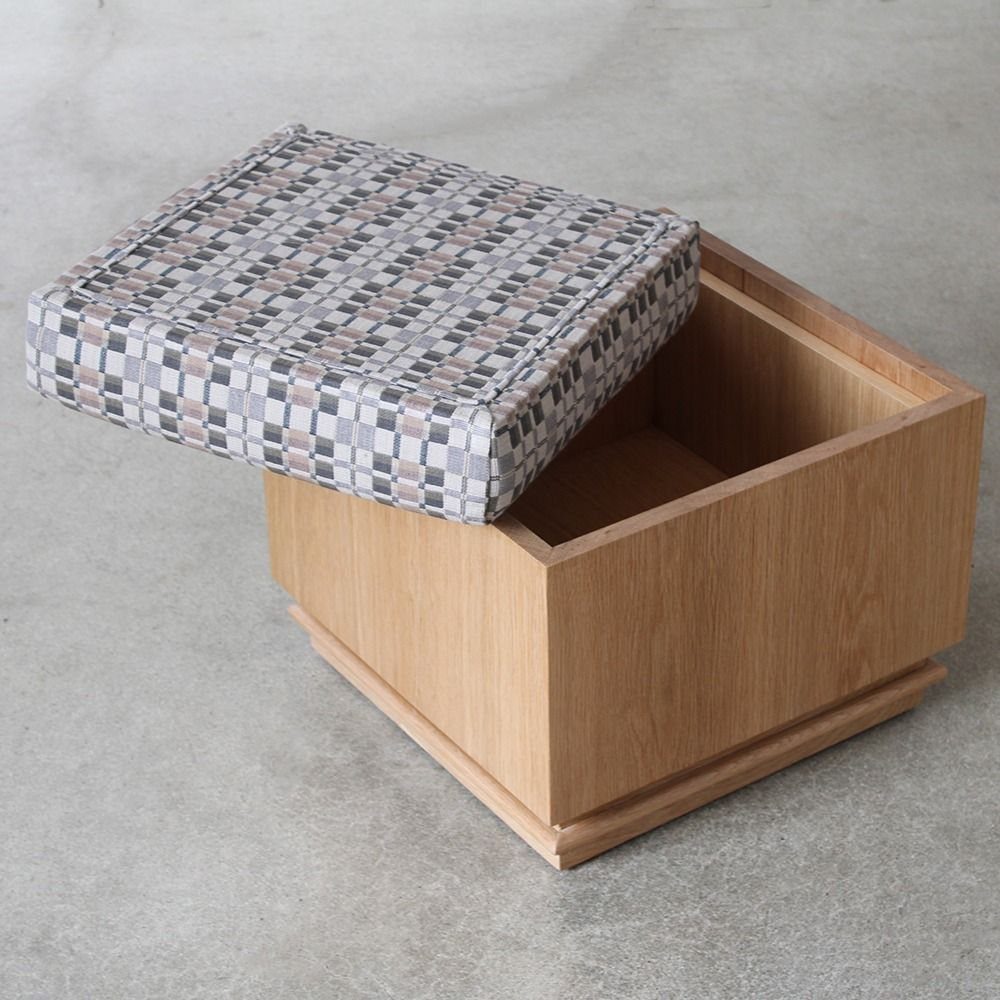
An ottoman with storage under its cushion seat is the simplest hidden storage: a box with a padded lid, no slides to align, no walls to open.
I would check that the hinges or simple cleats holding the lid are rated for repeated lifting, because a thick cushion plus plywood top gets heavy fast.
Build from 3/4-inch plywood or buy ready-made; either way, the interior is unfinished and prone to snagging linens.
A quick coat of poly or a fabric liner keeps stored items clean. The trade is comfort: a storage ottoman sits firmer than one with solid foam all the way through, and the lid never quite matches a dedicated seat.
8. Secret Drawer in Furniture
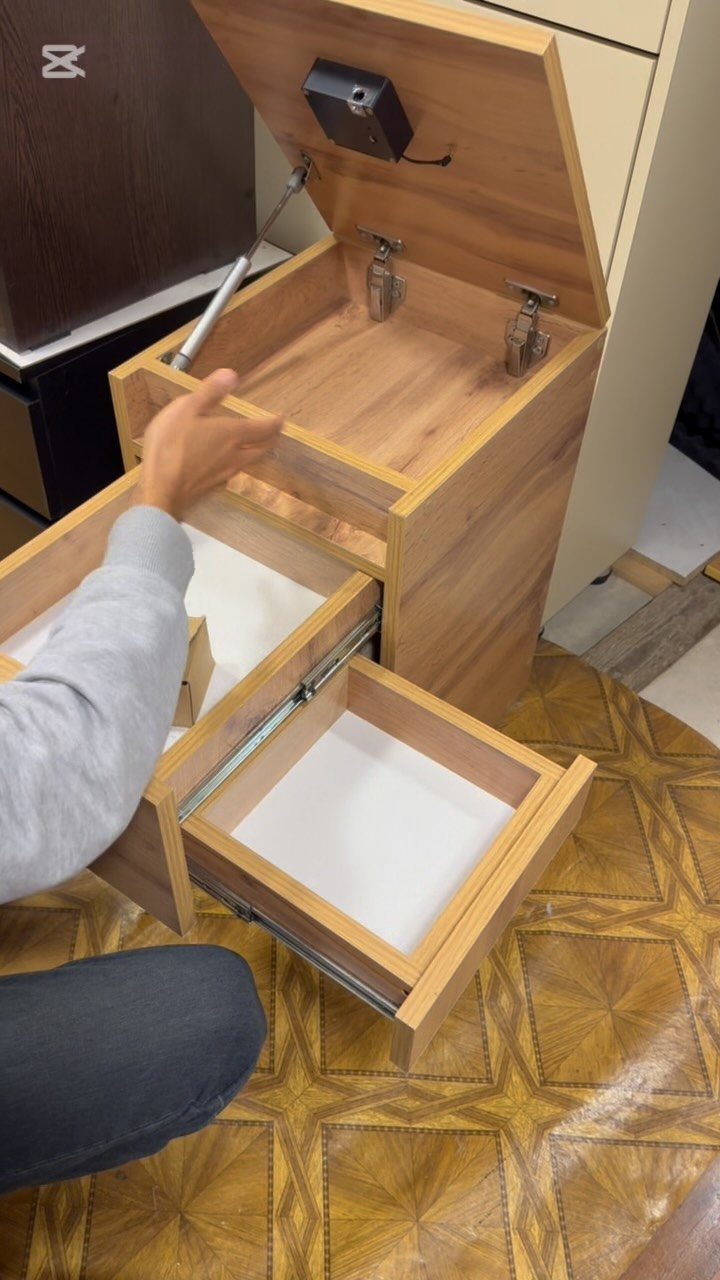
A false back or hidden drawer behind visible ones turns ordinary furniture into a puzzle box.
A pull-out interior drawer nests behind a primary drawer front, with a hinged top that takes its own lock. Either compartment works alone; both together give you tiered concealment.
Before you cut into heirloom pieces, know that retrofitting requires precise routing of shallow channels and rebuilt drawer boxes.
I would build new rather than modify antique joinery, since matching old dovetails or sawn kerfs by hand is harder than starting fresh. The best candidates are frame-and-panel cabinets where the false front naturally reads as structural.
9. Murphy Door Bookshelf
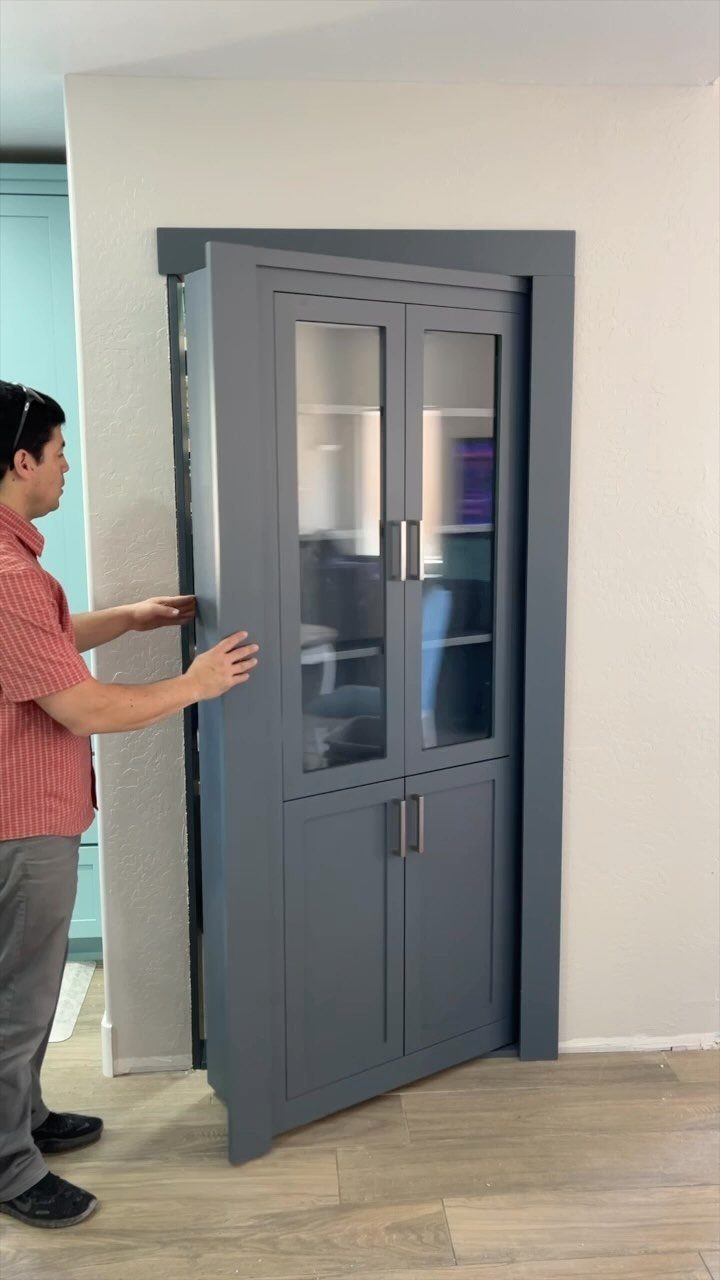
A Murphy door is a bookcase built onto a door jamb with heavy-duty pivot hinges, swinging closed to hide a room entrance behind what looks like built-in shelving.
Unlike a standard door, the whole unit carries its own weight, so the frame must be anchored to studs with heavy-duty hardware.
Depth is the tradeoff: even shallow shelves add several inches past the door plane, which eats hallway space and needs recessed lighting to avoid shadows.
Without a professional to measure and balance the load, the door drags or binds within a season.
DIY Hidden Storage Tips
Reclaimed materials work best when the wear shows on the outside and the hidden parts stay precise.
Barn board on the front of a wall cabinet hides clean plywood shelving inside; a vertical slot at one end keeps rakes and shovels out of sight and standing flat.
The hinged door needs to stay flat; warped reclaimed stock will bind and break the secret.
Accessibility matters more than cleverness.
A hidden compartment you dread opening stops being storage and becomes a problem. I would put the touch latch or finger pull where my hand naturally goes, not where it looks most invisible.
Light wood helps here: the grain hides small hardware shadows, and a pale interior lets you see what you stored without hunting.
Space-saving Solutions
Vertical storage only saves space if you actually use the height.
Mount it high enough that the long tools hang clear of traffic, with the hinged door opening downward or to the side so you are not fighting gravity to reach inside.
Furniture that does 2 jobs needs to do both without compromise.
The concealed shelves hold small items that would scatter on open shelving; the vertical rack takes the shape that does not stack. Wall framing should be checked before mounting, since a loaded cabinet plus tools pulls both downward and outward.
Budget-friendly DIY Projects
A wall-mounted cabinet in light wood is a project you can build from a single sheet of 3/4-inch plywood and common hinges.
The shelves sit on simple rabbets; the tool slot is just a plywood divider with drilled holes or a saw kerf, nothing fancy.
Paint-grade poplar or pine works if you plan to finish it, but the light wood look means clear finish on a decent face veneer.
I would skip the hardware store kit with its stamped hinges and thin back panel. Build the box yourself, buy two good cabinet hinges, and you have something that opens smoothly after years of use.
The money goes into the hinges and a straight bit for clean shelf dadoes, not into decorative trim that does nothing for function.
Frequently Asked Questions
What are some DIY ideas for bedroom storage?
Under-bed space, a storage ottoman, and hidden drawers in nightstands are the classic trio. A false back behind a drawer front takes more work but hides smaller items completely.
What is hidden storage called?
Secret compartments, concealed storage, or simply false backs and hidden drawers. The terms describe the same idea: space behind or inside ordinary-looking furniture that does not read as storage at first glance.
A Murphy door, a mirror on slides, and a hinged shelf front all fit the category, though each works differently.





