Creating a sense of belonging and connection is essential for preschool families. This post was inspired by the desire to bring families together through engaging activities that foster interaction and creativity. In today’s fast-paced world, meaningful family moments can sometimes be hard to come by. By curating a list of interactive home decor projects, I aim to help you create warm, inviting spaces that allow families to bond while engaging in fun, hands-on learning.
If you’re part of a preschool family or an educator looking to spark excitement among young learners, this post is perfect for you. You want activities that are not only educational but also enjoyable for everyone involved. Each idea here focuses on family-themed classroom decor and interactive learning spaces that encourage participation and creativity. You’ll discover how to make your home or classroom a nurturing environment that highlights the unique stories and traditions of each family.
Get ready to dive into 15 creative unit ideas that are engaging and perfect for preschool families. These activities are designed to bring families closer while promoting teamwork, creativity, and fun. From crafting a family tree to hosting a game day, these projects will make learning memorable and meaningful for everyone involved.
Key Takeaways
– Family Tree Wall of Fame: Create a visual representation of your family history that celebrates each member’s unique contributions and stories.
– Interactive Family Recipe Book: Compile favorite family recipes into a book that children can help illustrate, promoting both cooking skills and literacy.
– Family Cultural Day: Organize a day dedicated to sharing traditions, foods, and customs from different cultures, fostering appreciation for diversity.
– Family Memory Quilt: Encourage families to contribute fabric pieces that represent their unique memories. This hands-on project strengthens bonds and creates a lasting keepsake.
– Family Feedback Wall: Set up a space where families can leave notes about their experiences and suggestions, fostering open communication and community engagement.
1. Family Tree Wall of Fame
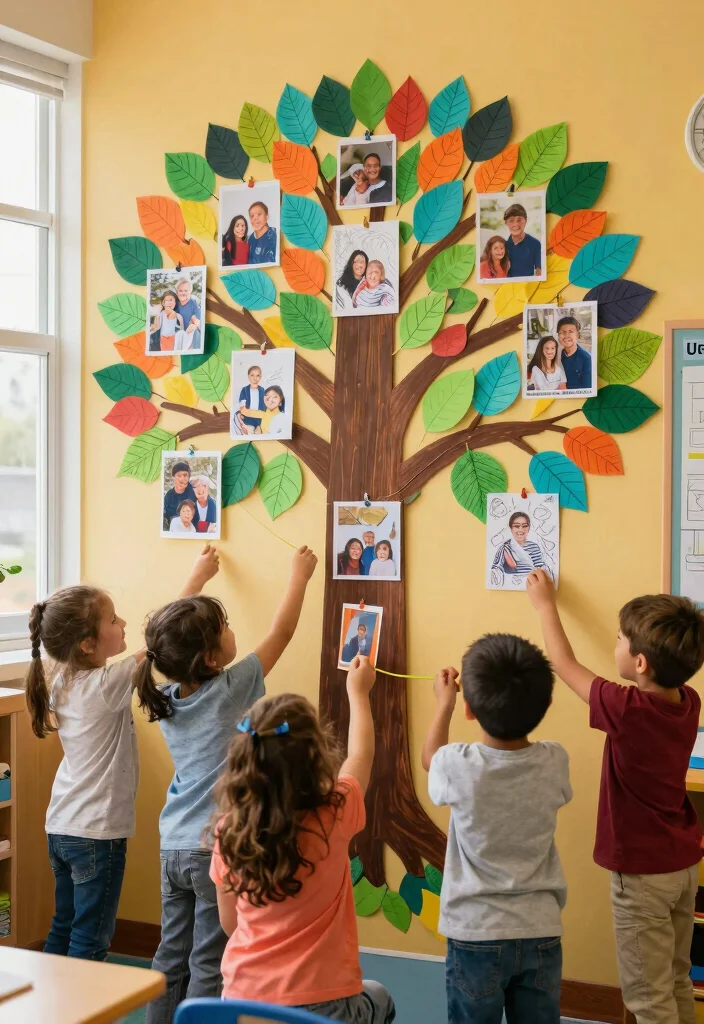
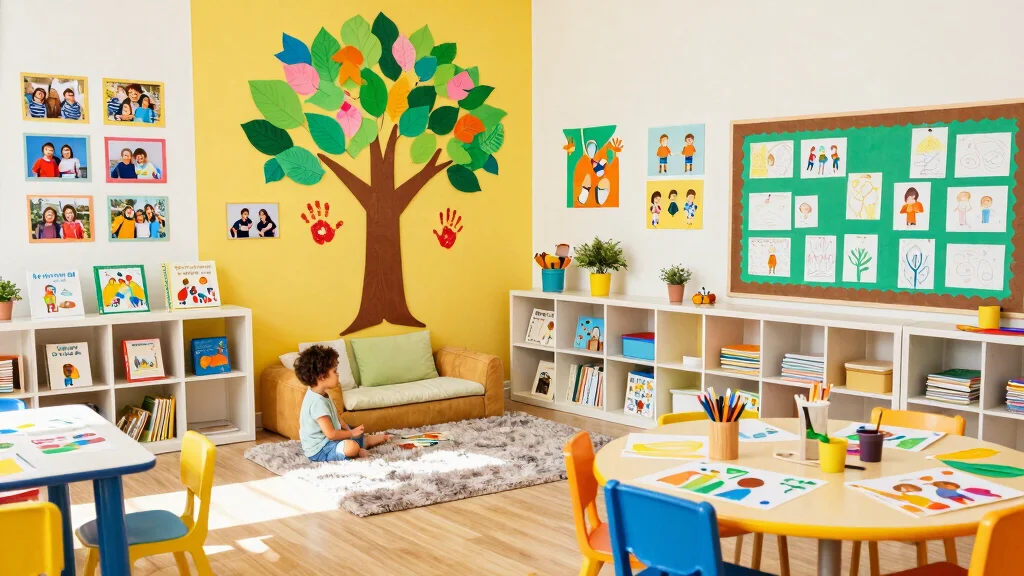
A Family Tree Wall of Fame brings to life the stories of each child’s heritage in a meaningful and beautiful way. By utilizing a large paper tree or canvas, you can invite families to share photos or drawings that represent their loved ones. The addition of personalized touches, like colorful fingerprints or unique designs on the leaves, adds warmth and individuality to the display. This project not only enhances the classroom decor but also cultivates a sense of belonging and connection among students.
Encouraging families to contribute their ideas can enhance engagement and create a collaborative atmosphere. Consider using eco-friendly materials for a sustainable twist, or host a family event where parents can help create the tree together.
Consider these steps to make this project a success:
– Pair a large canvas with vibrant photos and artwork
– Install a variety of leaves crafted by children
– Use biodegradable glue and materials for sustainability
– Incorporate decorative stickers to enhance visual appeal
This approach celebrates diversity while making each child feel valued. The mix of textures and colors in the project will bring a lively and inviting aesthetic to the space.
2. Interactive Family Recipe Book
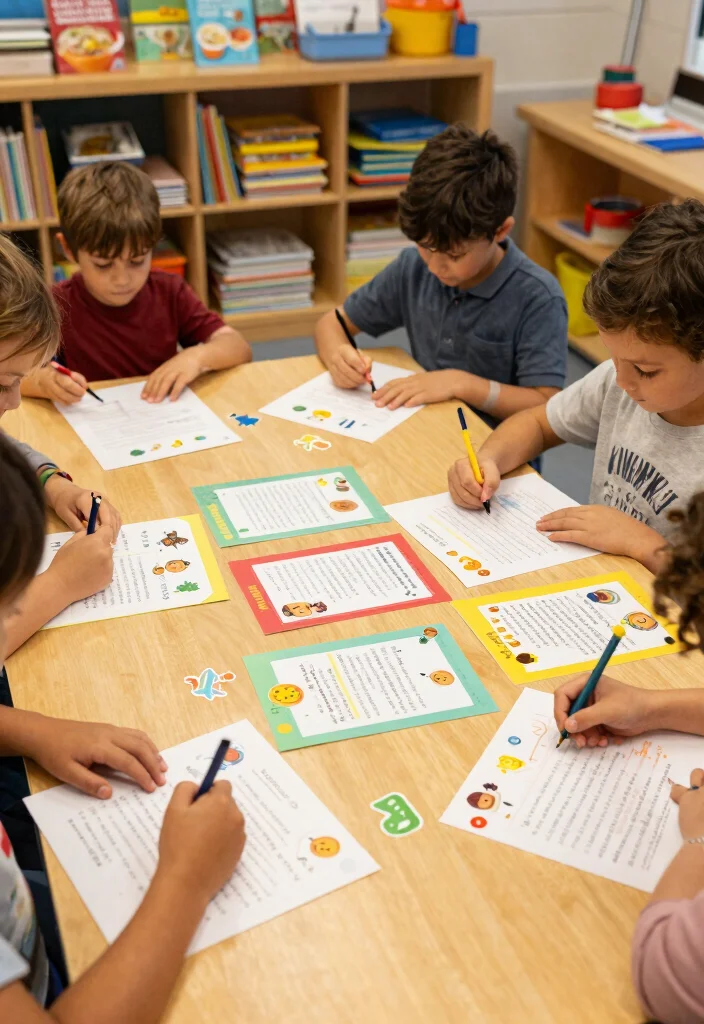
Exploring the world through food can be a delightful and educational experience. An Interactive Family Recipe Book encourages families to share their favorite recipes and the stories behind them, creating a treasured collection for the classroom. Each family can submit a cherished recipe, illustrated or accompanied by photos, allowing kids to learn about different cultures while enhancing their literacy skills.
This initiative not only brings families together but also sparks conversations about culinary traditions. You can make it budget-friendly by using simple materials and inviting families to contribute their unique recipes throughout the year.
Here’s how to create an engaging recipe book:
– Gather recipes along with personal stories from families
– Encourage children to add their artwork to the pages
– Bind the collected pages into a colorful cookbook
Each recipe can lead to an exciting cooking session, where families cook together in the classroom. This project not only fosters creativity but also strengthens the community fabric through shared culinary experiences.
3. Family Story Showcase
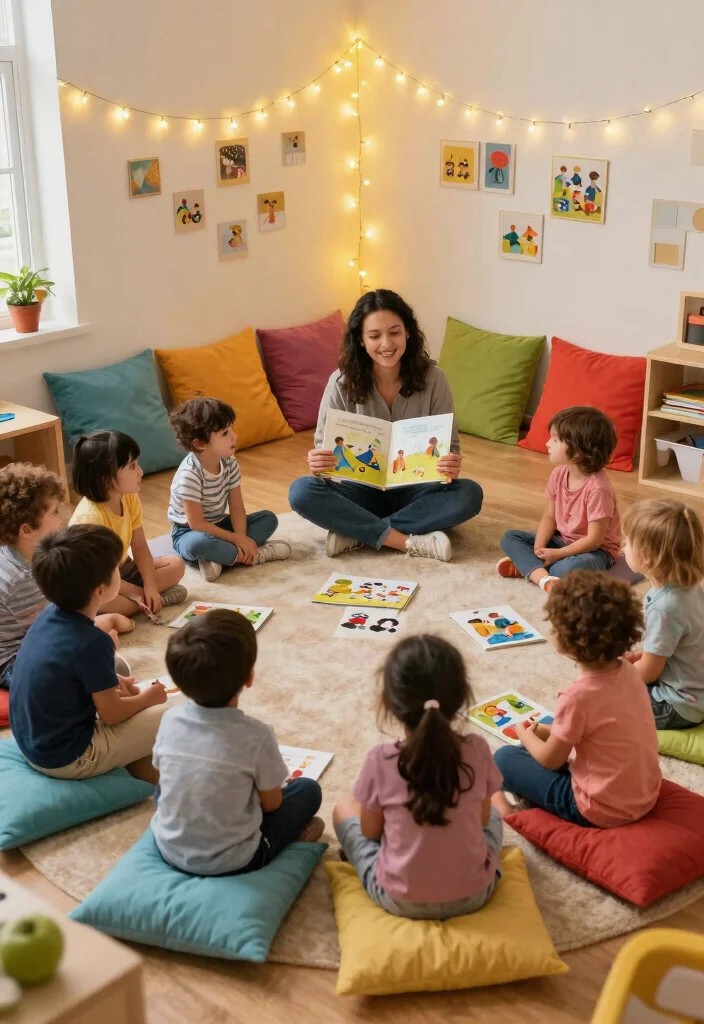
Everyone loves a good story, and a Family Story Showcase allows children to explore their family history in a fun and engaging way. Invite families to write short stories or anecdotes about their traditions, and set aside time for children to read these aloud. To make this experience cozy, create a storytelling corner adorned with cushions and fairy lights, making it a magical setting for sharing tales.
This initiative not only boosts listening skills but also builds confidence as children share their narratives. You might record the stories to create an audio collection, enriching the learning experience further.
To organize this event:
– Arrange scheduled family storytelling days
– Encourage the use of visual aids or props during storytelling
– Consider capturing audio of the stories for an archive
Providing a comfortable atmosphere with soft lighting and cozy seating enhances the storytelling experience. This project builds a strong sense of community and appreciation for diverse family backgrounds.
Family Story Showcase
Editor’s Choice




4. Family Picture Puzzle
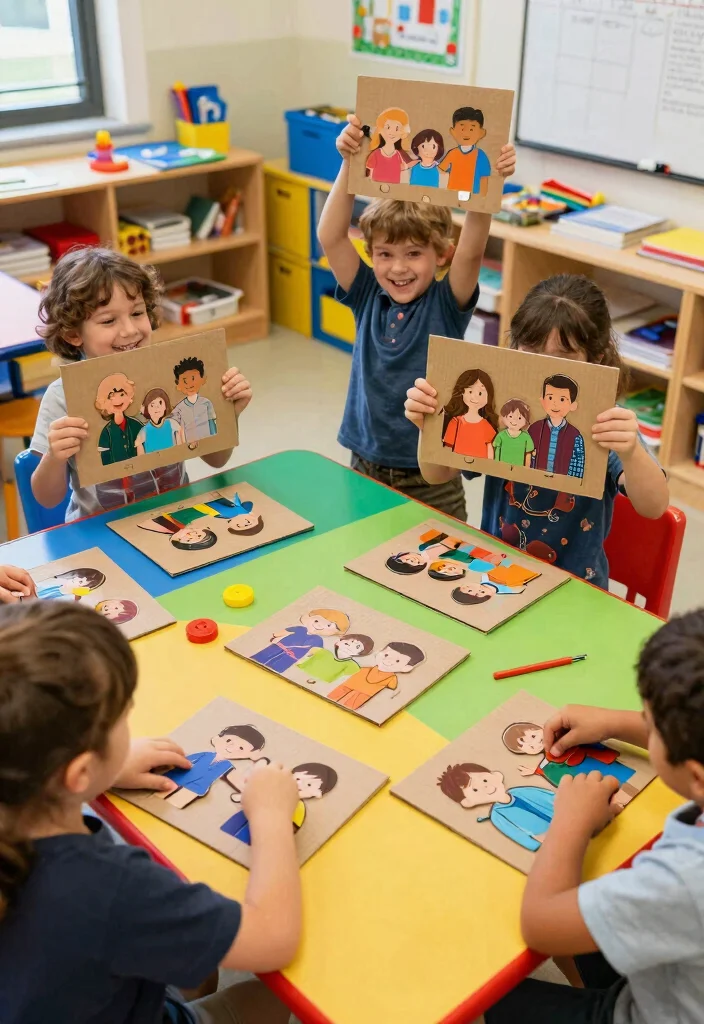
Creating personalized puzzles from family photos is a delightful way for children to learn about their loved ones while having fun. A Family Picture Puzzle allows each child to design their own jigsaw puzzle using a cherished family image. This activity not only promotes problem-solving skills but also encourages collaboration among classmates.
Using sturdy materials like cardboard or foam tiles ensures that the puzzles can withstand little hands during assembly. Once completed, these unique puzzles can be displayed in the classroom or taken home as treasured keepsakes.
Here’s how to get started:
– Ask families to send in their favorite digital photos
– Print images on sturdy paper and cut into puzzle shapes
– Provide a designated area for children to assemble and decorate their puzzles
Using vibrant colors and creative designs can enhance the fun. This project encourages discussions about family values and identity, making learning personal and engaging.
Family Picture Puzzle
Editor’s Choice


5. Family Tree Craft
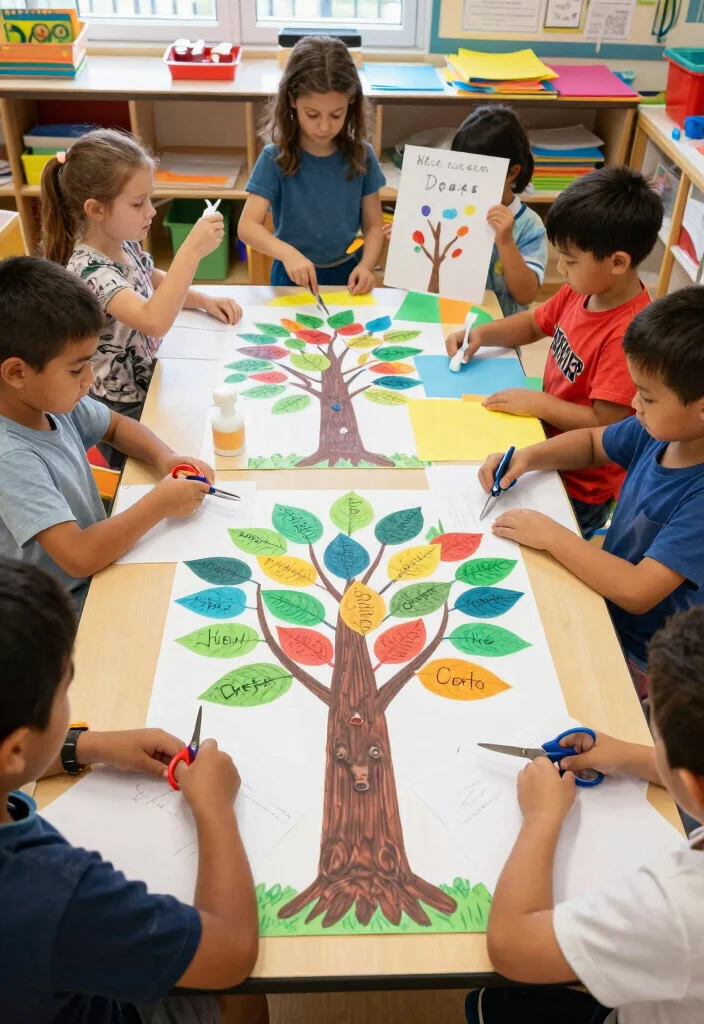
Creating a Family Tree Craft is a wonderful way for children to explore their family lineage while engaging in creative expression. Using paper, leaves, and other materials, kids can craft their own unique family trees. Incorporating elements like handprints or fingerprints to symbolize family members adds a personal touch to each tree.
This project not only enhances understanding of family connections but also boosts creativity and fine motor skills. It results in beautiful artwork that families will cherish and display at home.
To get started, follow these steps:
– Begin with a large paper base for the tree
– Draw the trunk and branches together with your students
– Use cut-out leaves for children to write names and decorate
Gathering colorful papers and art supplies will enrich this project. The final creations serve as meaningful keepsakes while helping children connect with their roots.
How To Choose Engaging Home Decor Projects for Preschool Families
Choosing the right home decor projects for preschool families can be a fun yet challenging task. You want activities that promote interaction, creativity, and family bonding while being suitable for young children. Here are some key factors to consider when selecting engaging home decor projects:
1. Age Appropriateness
Before starting any project, consider the age of the children involved. For preschoolers, choose projects that allow for simple tasks like painting, gluing, or assembling. Projects like a family tree wall of fame or a family picture puzzle are ideal because they can be adjusted to suit different age levels. You want to ensure that each child can participate and feel included in the fun!
2. Materials Needed
Evaluate what materials you have on hand or can easily obtain. Projects should use safe, non-toxic materials suitable for children. Think about using items like cardboard, colorful paper, and washable paints. For example, a family memory quilt can be created using fabric scraps or old clothes. Always check for safe options before starting the project to prevent any mishaps.
3. Space Requirements
Consider how much space you have available for the project. Some activities, like a family garden project, require outdoor space, while others, like a family communication board, can be done in a small area. Plan accordingly to ensure that everyone has enough room to work and play without feeling cramped. A clear, organized workspace can enhance the overall experience.
4. Time Commitment
Think about how much time you are willing to dedicate to each project. Some crafts may take a few hours, while others can be completed in shorter bursts. For instance, creating an interactive family recipe book might be a longer project, while a family picture puzzle can be done in one sitting. Be mindful of the attention span of preschoolers; shorter, more engaging tasks are often better.
5. Learning Opportunities
Choose projects that offer educational elements. Activities that incorporate counting, colors, or even cultural learning can be both fun and informative. For instance, a family cultural day project allows kids to explore their heritage through crafts, food, and stories. This way, your decor project becomes a learning experience too, fostering creativity and knowledge.
6. Family Involvement
Select projects where all family members can participate. Engaging everyone increases motivation and makes the activity enjoyable. Projects like family game day or a family art gallery allow for shared experiences and fun. The more involved everyone is, the more meaningful the final product will feel.
Pro Tip: Start with a brainstorming session with your family! Discuss ideas together and let everyone contribute their thoughts on what they’d like to create. This builds excitement and ensures that the chosen project reflects everyone’s interests and strengths, leading to a more fulfilling experience.
By considering these factors, you can choose engaging home decor projects that not only beautify your space but also create lasting memories for your preschool family. Each project should be an adventure that encourages learning, creativity, and family bonding. Happy crafting!
6. Family Game Day
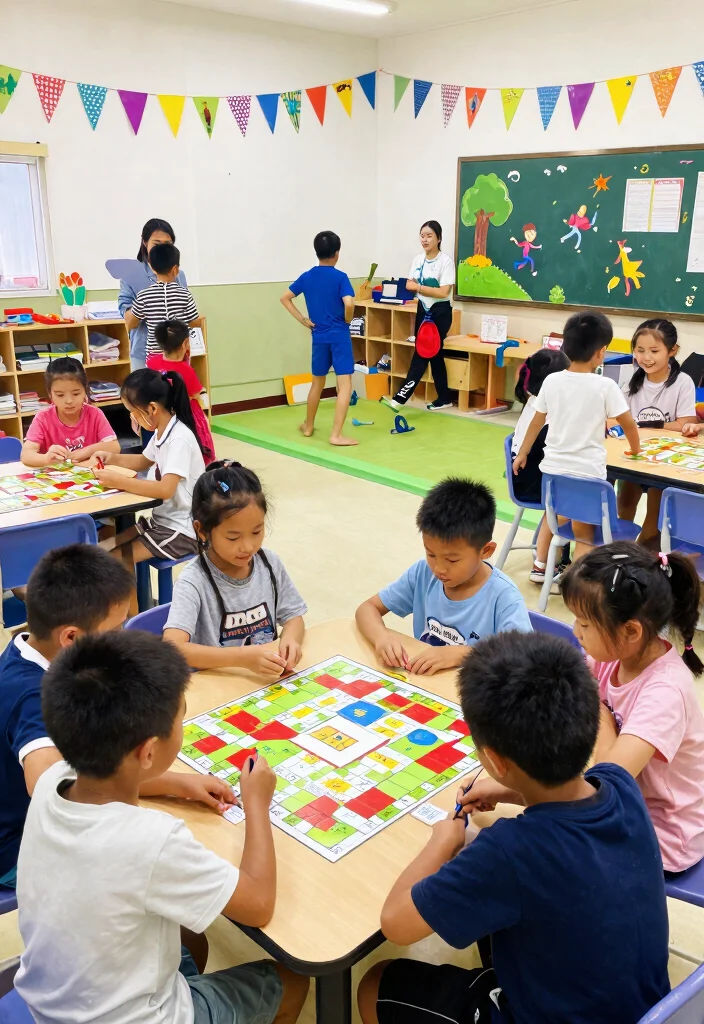
Family Game Day is a fantastic way to bring everyone together for a day of fun and bonding. Organizing a variety of board games, outdoor activities, and interactive stations encourages families to engage in friendly competition and teamwork. This event helps create lasting memories while fostering a sense of community among families.
Set up different game stations that challenge skills like cooperation, creativity, and critical thinking. Games can be tailored around family dynamics, promoting unity and collaboration in a relaxed environment.
To execute this event successfully:
– Create a schedule of game activities for the day
– Have families sign up for their preferred stations
– Include snacks to keep everyone energized
Providing comfortable spaces for play ensures everyone enjoys the day. This event can become a beloved tradition, strengthening relationships and creating joyful experiences among families.
Family Game Day
Editor’s Choice


7. Family Art Gallery
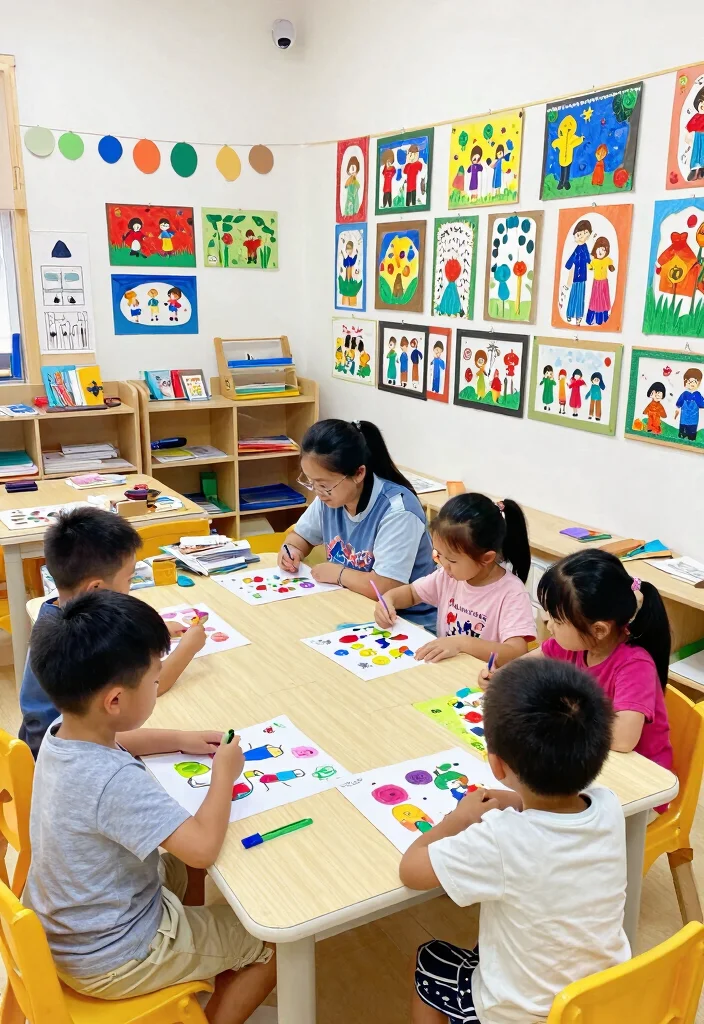
A Family Art Gallery allows children to showcase their artistic talents while celebrating their family stories. Each child can create an art piece that symbolizes their family, whether it be a drawing, painting, or sculpture. This initiative not only nurtures creativity but also encourages parents to engage with their children’s artistic expressions.
Plan an exhibition day where families can stroll through the gallery and appreciate each other’s work. Decorate the classroom to create an ambiance that feels like a real art gallery, enhancing the experience for everyone.
To set up your gallery, consider these steps:
– Choose a family-themed art project for the children
– Allow time for students to create their pieces both at home and school
– Organize an open house event to unveil the art gallery
Providing art supplies and display boards will help bring this vision to life. This experience empowers children to share their creativity and personal stories with pride.
Creating a Family Art Gallery is a playful way to celebrate the preschool families unit. When parents stroll the gallery, they connect with their child’s story and see creativity bloom in every piece. Plan a simple exhibition day and decorate the space to invite conversation and pride.
Family Art Gallery
Editor’s Choice



8. Family Communication Board
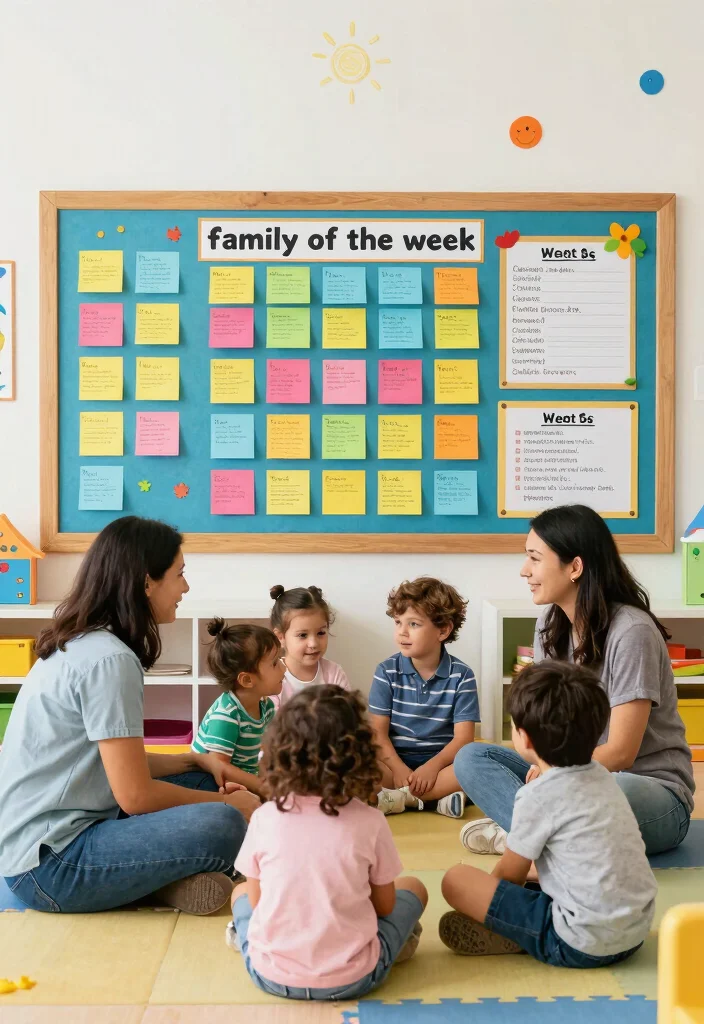
A Family Communication Board serves as a central hub to keep families informed about classroom activities and news. This interactive board can feature contributions from families, listing upcoming events, achievements, and even a ‘family of the week’ highlight. It encourages ongoing communication between home and school, fostering a sense of community and connectivity.
This project can also become a space for parents to share tips and resources that benefit fellow families. Make it visually appealing with bright colors and engaging designs to capture attention.
Here are some tips for implementation:
– Use a magnetic board for easy updates and changes
– Incorporate colorful notes and visuals to keep it lively
– Schedule regular updates to ensure information is fresh
Making the board interactive with family contributions adds to the sense of community. This can become a vibrant focal point in the classroom that fosters connections among families.
“Pro tip for the preschool families unit: create a Family Communication Board where families post events, achievements, and tips, plus a weekly family of the week. Keep it colorful and visual so home and school stay connected and practical.”
9. Family Cultural Day
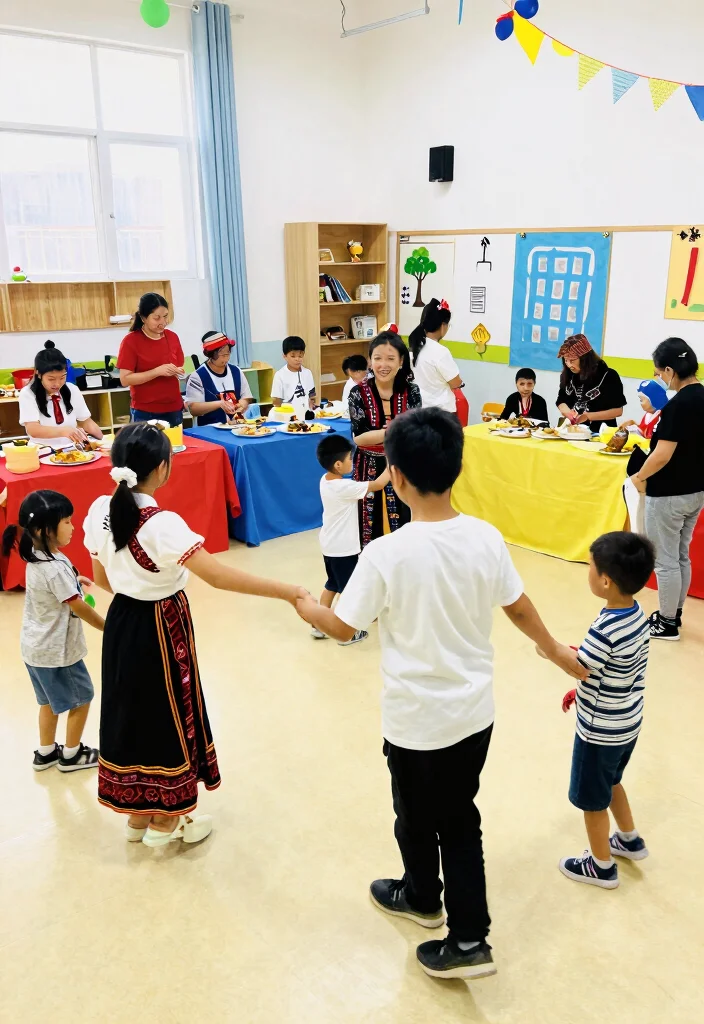
A Family Cultural Day is a vibrant celebration of diversity and community. Families can showcase their cultural backgrounds through food, music, dance, and storytelling. This event encourages children to learn about different cultures while fostering respect and understanding among peers.
Plan this event as a cultural showcase where families set up booths representing their traditions. Kids can dress in traditional outfits, sample various foods, and even learn a few phrases in different languages.
To organize a successful event:
– Coordinate with families to sign up for booths
– Prepare a schedule for performances and presentations
– Gather decorations that represent diverse cultures
Incorporating cultural artifacts and music can enhance the experience. This colorful event leaves lasting memories and deepens connections among families, building a strong community spirit.
10. Family Fitness Fun
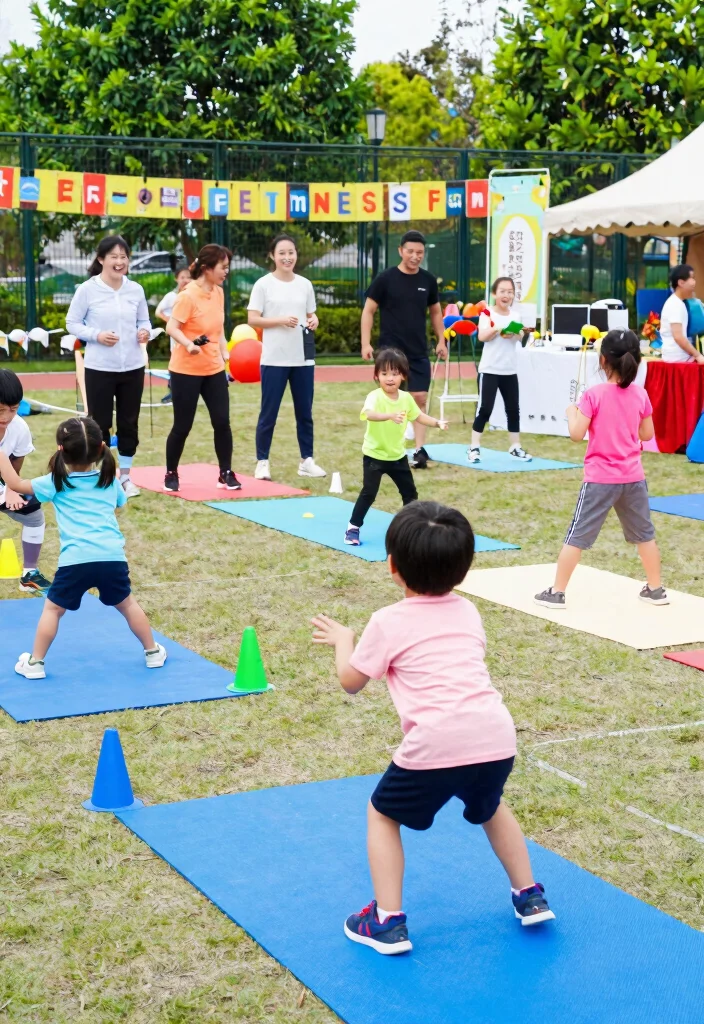
Promoting health and wellness through a Family Fitness Fun event is a fantastic way to encourage families to stay active together. This event can feature interactive stations, such as obstacle courses, yoga sessions, or group exercises that foster teamwork and cooperation.
Children can lead warm-up exercises, while parents participate in friendly competitions, enhancing camaraderie and family bonding. Transforming the outdoor space into a lively fitness zone with colorful mats and energetic music adds to the excitement.
Here are steps to plan your fitness event:
– Outline various fitness stations and activities
– Create a fun schedule for families to follow
– Emphasize the importance of health and wellness
Providing fitness equipment and refreshments ensures everyone stays energized. This event promotes healthy practices and becomes a memorable experience for families, encouraging them to continue their fitness journey together.
Family Fitness Fun
Editor’s Choice


11. Family Memory Quilt
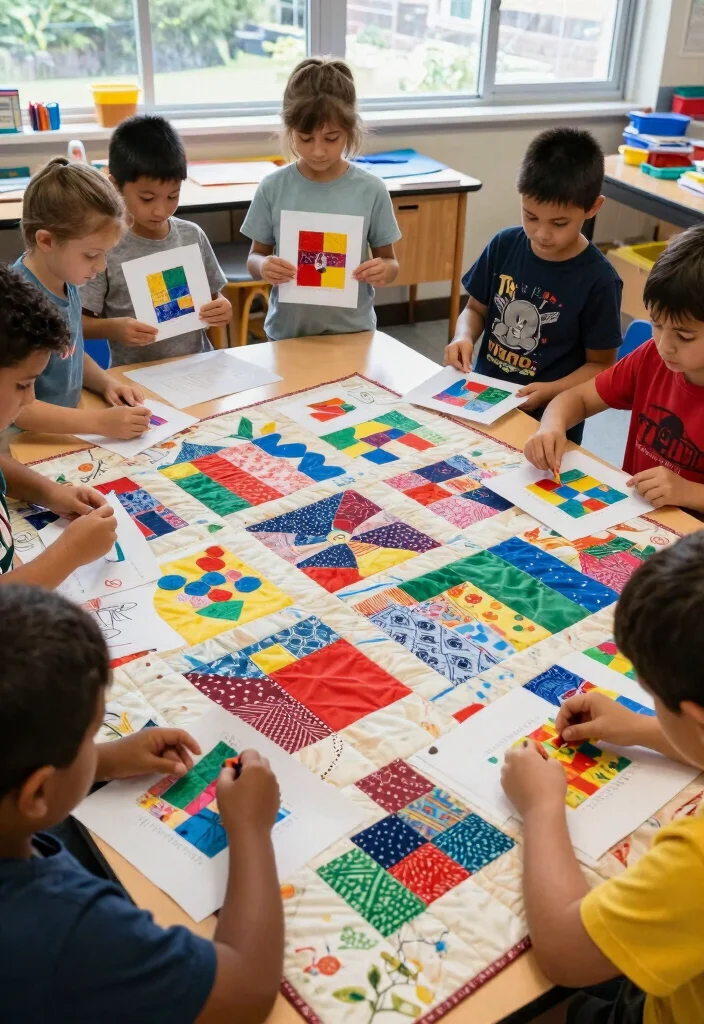
Creating a Family Memory Quilt is a heartfelt way for children to connect with their family’s stories and history. Each child can design a quilt patch that represents their family, using fabric pieces, drawings, or photos. This craft not only teaches children about sewing and fabric but also allows them to express their family pride.
Once all patches are collected, they can be assembled into a beautiful quilt representing the entire class. This quilt can be displayed in the classroom or at family gatherings, showcasing creativity and family connections.
To make your quilt, consider these steps:
– Distribute fabric squares for families to create their patches
– Encourage families to include meaningful drawings or words
– Arrange a sewing party to bring the quilt together
Gathering fabric paint and sewing supplies will enrich this project. This quilt becomes a cherished keepsake filled with family memories and stories.
12. Family Garden Project
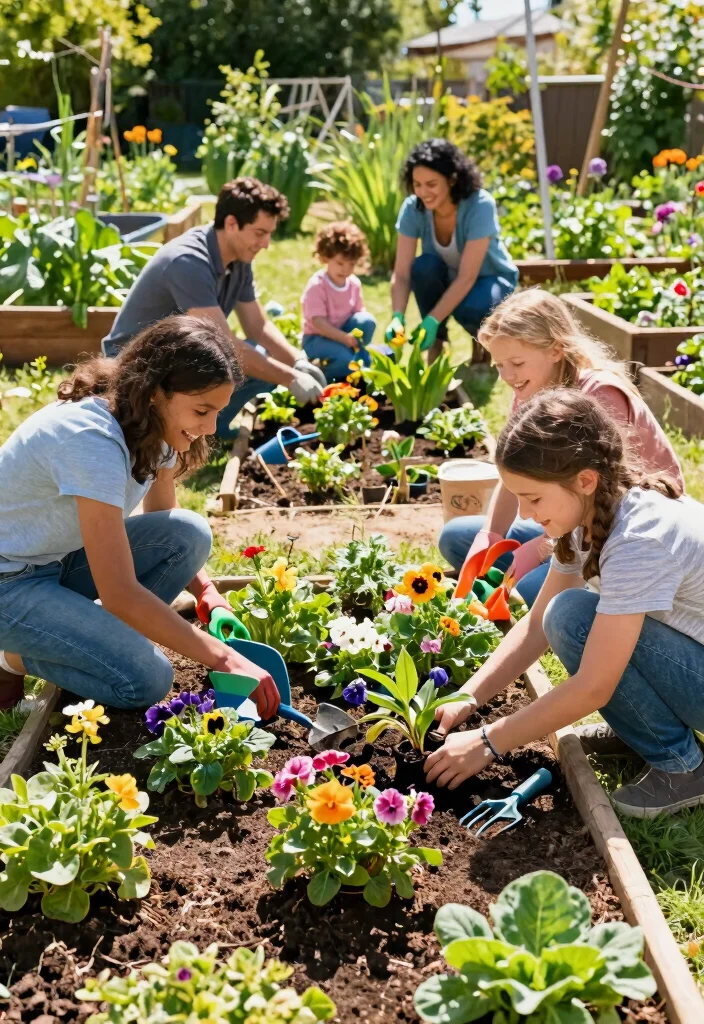
Engaging families in a Family Garden Project cultivates not just plants but a deep sense of community. Families can contribute seeds, plants, or gardening tools to create a vibrant outdoor learning space. This project teaches children about nature, responsibility, and teamwork, while also providing insight into where food comes from.
Each family can plant something unique, making the garden a beautiful representation of the diversity in your preschool community. Kids can take turns caring for the garden, reinforcing nurturing and responsibility.
To launch your garden, follow these steps:
– Identify a suitable outdoor space for planting
– Discuss with families what plants they wish to contribute
– Plan fun gardening days for families to come together
Gathering gardening tools and labels for plant identification will enhance this initiative. The garden can become a cherished community asset, providing fresh produce and wonderful memories.
Families in a preschool families unit grow more than vegetables — they grow community. Invite each family to plant something of their own, share seeds, and care for the garden together.
13. Family Scavenger Hunt
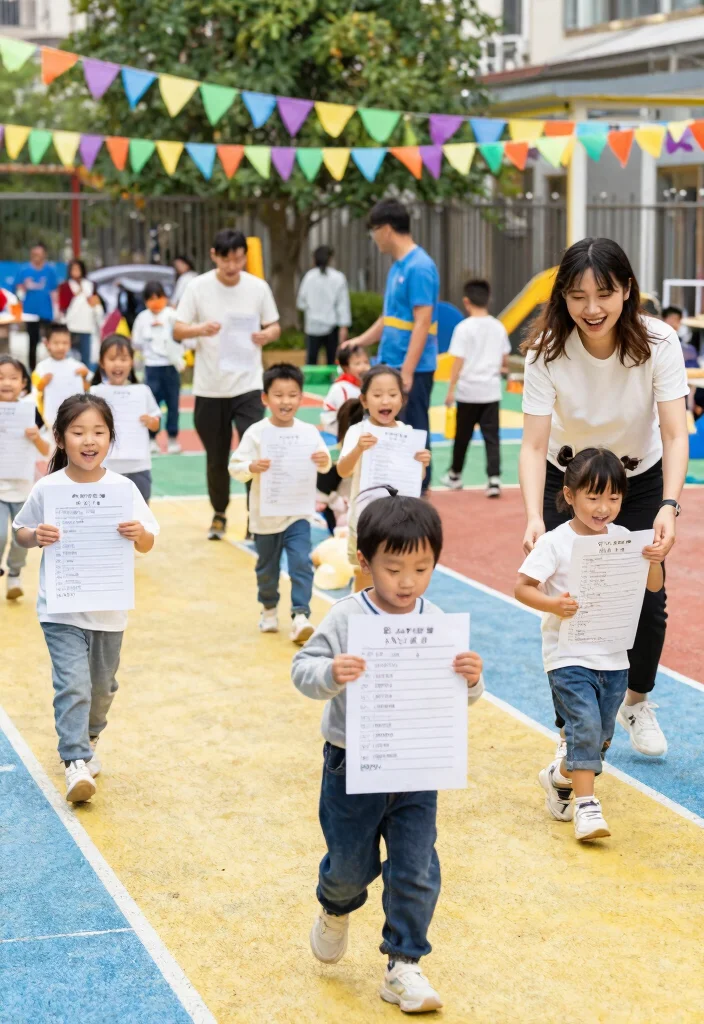
A Family Scavenger Hunt is an adventurous way to promote exploration and teamwork among families. Create a list of items or clues relevant to your preschool community, sending families on a quest to find them together. This engaging activity encourages interaction, communication, and collaboration while fostering fun and bonding.
Include tasks like finding specific objects around the playground or taking pictures at designated spots. The thrill of the hunt inspires teamwork as families collaborate to complete challenges.
To organize your scavenger hunt effectively:
– Create lists tailored to your community’s features
– Set boundaries for the hunt to ensure safety
– Consider offering small prizes for participation
Gathering paper for lists and bags for collecting items will enhance the experience. This event can become a beloved highlight for families, filled with laughter and camaraderie.
14. Family Holiday Celebration
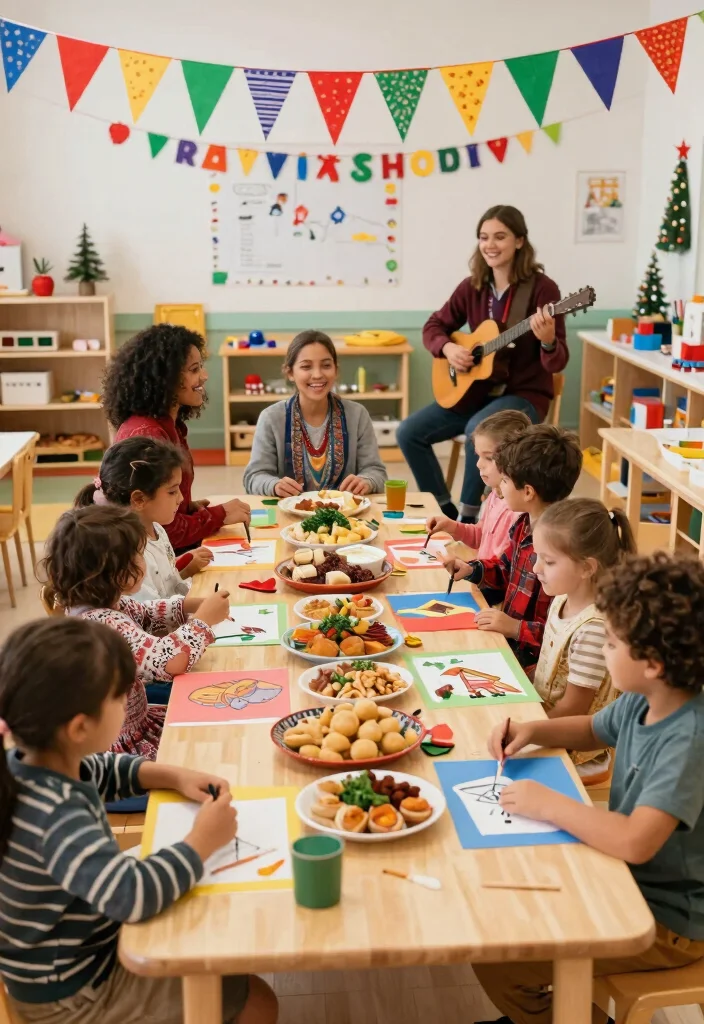
Organizing a Family Holiday Celebration invites everyone to share traditions, foods, and festivities from various cultures. Each family can contribute a dish or activity that represents their cultural celebration, creating a rich tapestry of experiences. Kids learn about the significance of each holiday, enhancing their cultural awareness and appreciation.
Set up craft stations, food sampling tables, and storytelling areas to immerse families in each other’s traditions. This initiative fosters understanding and deeper connections between families.
To host this celebration, consider:
– Collaborating with families to decide which holidays to celebrate
– Creating a festive atmosphere with decorations representing various cultures
– Scheduling activities and performances led by families
Gathering craft supplies and food samples will create interactive stations. This celebration can become a cherished annual tradition that families eagerly anticipate.
15. Family Feedback Wall
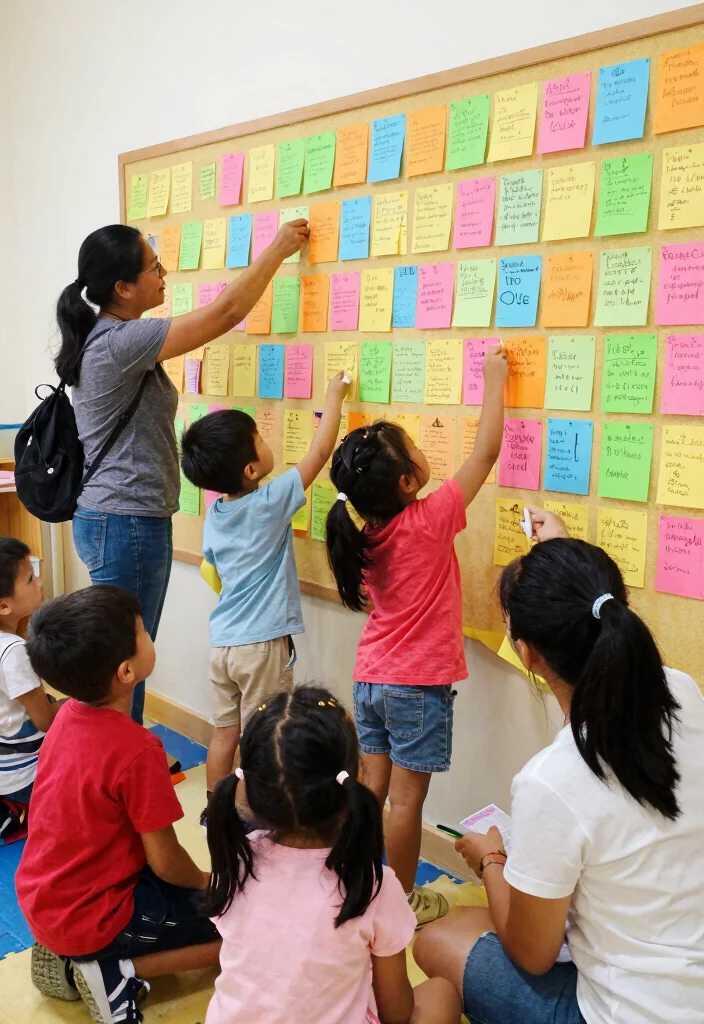
A Family Feedback Wall offers a space for families to express their thoughts and ideas about improving the preschool environment. Encourage parents and children to share their feedback and experiences, fostering a sense of involvement and community. This practice helps educators understand family needs and promotes collaboration.
Set up a designated wall with colorful materials for families to leave notes, making it visually appealing with bright colors and designs. It’s a wonderful way to enhance communication and make families feel valued in the preschool community.
To create this wall:
– Use a bulletin board or designated wall space for feedback collection
– Provide colorful paper and writing materials for notes
– Schedule regular reflection times to address feedback
Gathering markers and tape for decorating will make the wall inviting. This wall can evolve throughout the year, fostering ongoing dialogue and connection between families and educators.
Conclusion
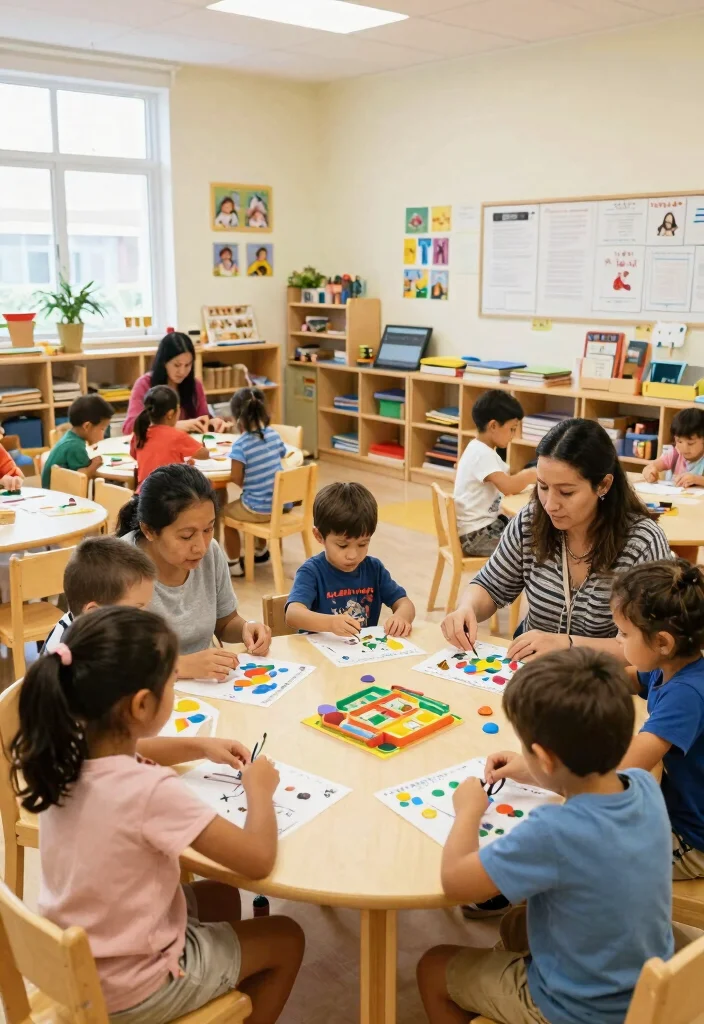
Implementing these engaging preschool family unit ideas can significantly enhance the atmosphere of your preschool. They foster connections, promote communication, and create a joyful learning environment for children and families alike. Integrating families into the educational experience not only aids children’s development but also nurtures a strong community bond.
So gather your materials, involve parents, and get ready to create a vibrant, interactive space that celebrates family connections!
Note: We aim to provide accurate product links, but some may occasionally expire or become unavailable. If this happens, please search directly on Amazon for the product or a suitable alternative.
This post contains Amazon affiliate links, meaning we may earn a small commission if you purchase through our links, at no extra cost to you.
Frequently Asked Questions
What are some engaging preschool families unit ideas that feel natural in a classroom or at home?
There are many ideas that bring family themes to life and fit both settings. For example:
1) Create a Family Photo Wall where children curate photos and label family members’ relationships.
2) Build a Family Roles center with pretend play props (cooking, doctor, mail carrier) to explore daily routines and teamwork.
3) Design a moving Our Family Timeline wall where students place milestone cards and share stories.
4) Launch a rotating Family Guest calendar for weekly visits or virtual storytelling.
5) Start a Story of Me book station where kids draw and write about their families.
These ideas align with engaging home decor projects and create interactive learning spaces that honor every family’s uniqueness.
How can I set up interactive home decor for a preschool families unit?
Begin with a simple anchor piece and grow from there. Start with a Family Photo Wall or Our Family Timeline and pair it with modular decor you can rotate. Use child-safe materials, low shelves, and labeled bins to support interactive learning spaces. Add a small, easy-to-update station like a rotating color story board or a home corner that uses real items from home life. This keeps engaging home decor projects achievable, even in small spaces.
What are some creative unit ideas for preschool that promote collaboration and storytelling?
Try a collaborative mural that builds a shared family city, a family story jars center, a portrait gallery of self and family, and recipe cards turned into writing/drawing activities. Add a weekly sharing moment where kids tell a story about their family. These options foster teamwork, communication, and rich conversations within a preschool family activities framework.
Which preschool family activities are easiest to implement in a busy classroom or at home?
Choose quick, low-prep activities that fit into short centers: Family portraits with simple art supplies; My Family Card storytelling dice; a Family Photo scavenger hunt; a simple Family Tree activity using pegboard or wall decals; and a Story of My Name corner where kids share about themselves and their families. These keep momentum with minimal prep and maximum engagement.
How can I adapt the family-themed classroom decor for different spaces and ages in a preschool families unit?
Scale materials to fit age and space: use larger, simpler pieces for younger children and smaller, detailed items for older preschoolers. Keep decor modular so centers can be moved or removed as rooms reconfigure. Prioritize safety with chunky materials and avoid small parts. Use portable bins and labels to make decor easily adjustable, ensuring the interactive learning spaces stay engaging across varying creative unit ideas for preschool and space constraints.
Related Topics
preschool families unit
family-themed decor
interactive learning spaces
engaging home decor
creative unit ideas
preschool family activities
DIY decor projects
educational home design
playful spaces
easy crafts for kids
interactive decor
themed classroom ideas