Creating your perfect architect desk setup can feel like a daunting task, especially when you’re trying to marry professionalism with your unique style. That’s why I put this post together! As someone who’s fascinated by how our workspaces can influence our productivity and creativity, I know the right setup can make all the difference. Whether you’re working from home or reimagining a small office, a well-designed architect desk can inspire you and elevate your work style.
If you’re an architect, designer, or anyone craving a space that reflects a minimalist aesthetic while remaining functional, this post is for you. You’ll find ideas that cater to small spaces without sacrificing style. Each setup not only looks professional but also provides inspiration that can enhance your focus and creativity. I’ve gathered 14 architect desk setup ideas that blend modern desk organization with ergonomic desk accessories, ensuring your workspace is both beautiful and practical.
So, get ready to transform your architect workspace! You’ll discover setups that are sleek, stylish, and perfect for maximizing limited space. Let’s dive into the world of professional office decor that speaks to your creative soul while providing the functionality you need for your daily tasks.
Key Takeaways
– You’ll explore 14 different architect desk setups, each showcasing a unique style tailored for small spaces.
– The ideas range from Scandinavian Minimalism to Industrial Chic, highlighting various ways to achieve a professional look.
– Each setup emphasizes modern desk organization techniques, ensuring your workspace remains clutter-free and efficient.
– Ergonomics play a key role; discover ergonomic desk accessories that support your comfort and productivity throughout your workday.
– Personal touches and creative workspace design will help you create a space that feels genuinely yours while maintaining a polished aesthetic.
1. Scandinavian Minimalism
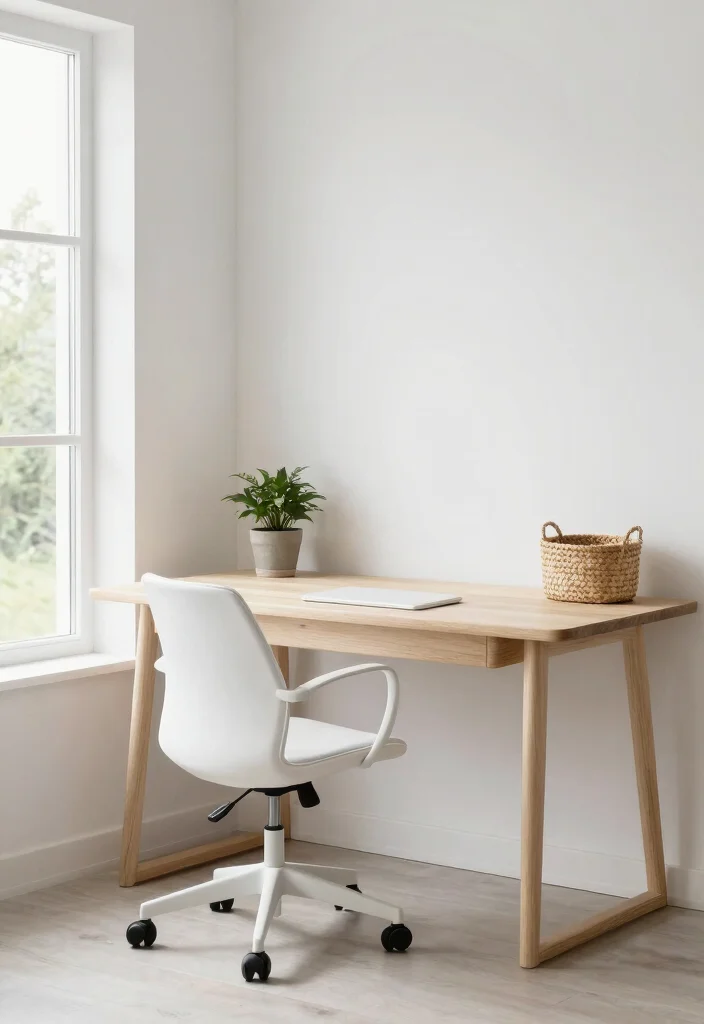
Scandinavian minimalism is all about creating spaces that feel open, inviting, and functional. This design principle thrives on the balance of simplicity and warmth, making it perfect for a productive workspace. Think of a light wood desk paired with a soft, ergonomic chair, and perhaps a woven basket for a touch of texture and practicality. The elegance of white walls accentuated with natural elements creates a serene atmosphere, enhancing your focus and creativity.
To bring this aesthetic to life, choose budget-friendly options that maintain the look without overspending. Look for second-hand furniture or DIY projects that align with minimalism. Soft textiles, like a cozy throw or a simple rug, can also add warmth and comfort without overwhelming the space.
Consider these elements to maximize this palette’s potential:
– Pair light wood furniture with white accents for a cohesive look.
– Incorporate open shelving for stylish, accessible storage.
– Use indoor plants to add life and a pop of color.
This approach fosters a tranquil environment that promotes clarity and reduces distractions. Natural textures and materials enhance the overall aesthetic, creating a harmonious workspace.
2. Industrial Chic
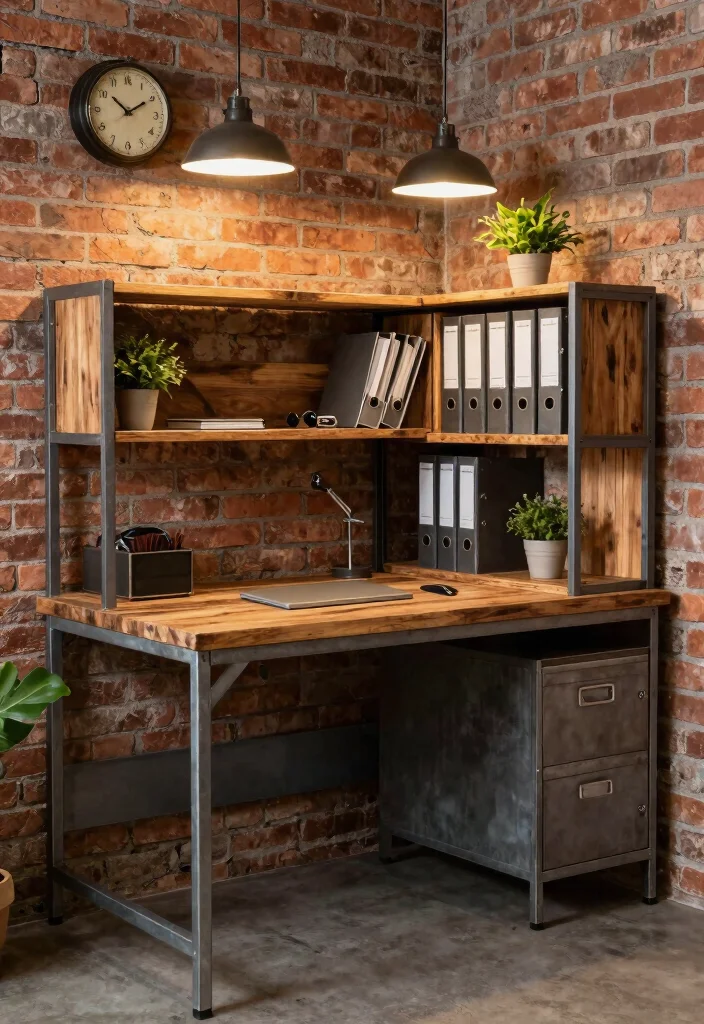
Industrial chic beautifully marries raw materials with sleek design, establishing a bold and dynamic workspace. Imagine a robust metal desk juxtaposed with reclaimed wood shelves, creating a striking contrast. Exposed bulbs and oversized clocks add character, while an open layout encourages collaboration—ideal for architects who thrive on teamwork and creativity.
Implementing this style can be budget-friendly by sourcing materials from local reclamation yards or thrift stores. You can also use paint to refresh old furniture, giving it a new life while maintaining that industrial vibe.
To enhance your workspace, consider these ideas:
– Use metal accents alongside warm wood for a balanced look.
– Incorporate layered lighting with both pendant and task lamps for functionality.
– Organize paperwork in stylish metal file holders for easy access.
This design not only stimulates creativity but also allows for personal expression, creating a workspace that feels both professional and inviting.
3. Functional Zen
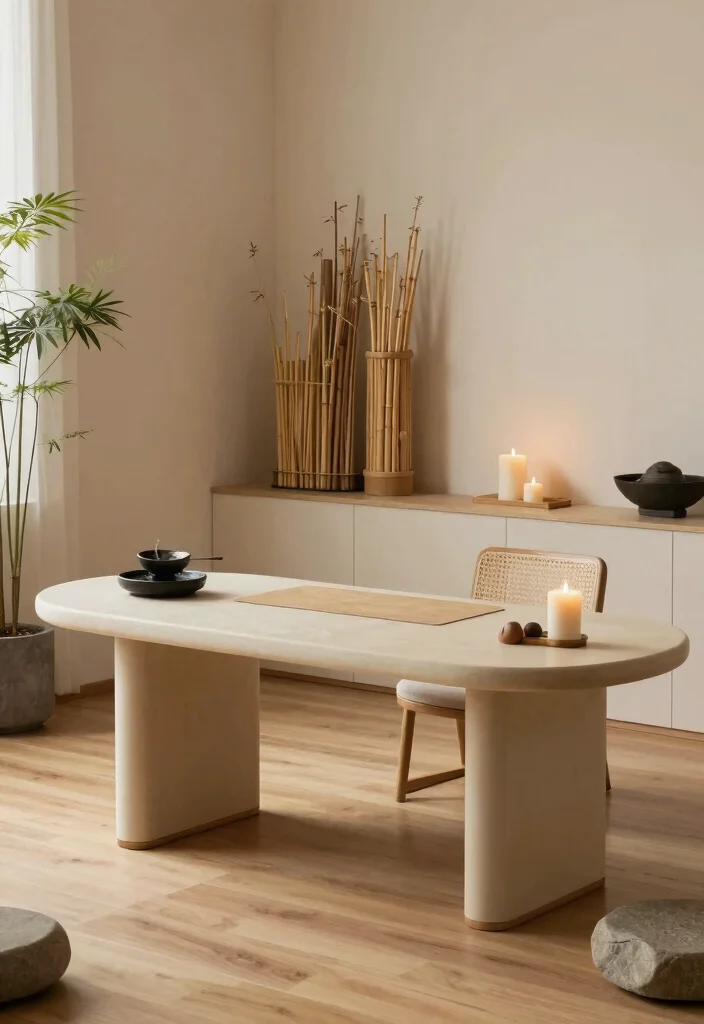
Creating a Zen-inspired workspace is essential for cultivating focus and tranquility. A low-profile desk with soft, rounded edges paired with a soothing color palette provides a serene environment. Incorporating natural elements like bamboo or stone accents enhances the calming effect, while a small water feature or candles can deepen the sense of peace.
To achieve a Zen space, opt for budget-friendly, low-maintenance decor that promotes relaxation. Soft cushions or low stools add comfort, allowing you to work mindfully while staying engaged.
Integrate these elements for a peaceful workspace:
– Keep the desk clutter-free to maintain serenity.
– Use calming colors like soft greens for a soothing atmosphere.
– Introduce sound elements, such as soft music, to enhance focus.
This approach promotes mindfulness and boosts overall productivity. By incorporating natural textures and materials, you create a workspace that feels harmonious and nurturing.
Functional Zen
Editor’s Choice




Key Trade-offs & Our Top Pick
Option 1: Scandinavian Minimalism
– Pros:
– Creates a clean and uncluttered look, enhancing focus.
– Utilizes light colors and natural materials, making small spaces feel larger.
– Cons:
– May lack personality and feel cold to some.
– Requires careful selection to avoid a bland appearance.
– Best for: Those who want a serene and airy workspace that promotes clarity.
Option 2: Industrial Chic
– Pros:
– Combines raw materials like metal and wood for a stylish and trendy vibe.
– Offers durability and a rugged look that ages well.
– Cons:
– Can appear too harsh or uninviting if overdone.
– May require more maintenance to keep surfaces looking good.
– Best for: Individuals who appreciate a modern, urban aesthetic and have space for larger furniture.
Option 3: Functional Zen
– Pros:
– Focuses on comfort and minimal distractions, perfect for long working hours.
– Incorporates elements like plants and soft textures for a calming atmosphere.
– Cons:
– May need more space to effectively implement calming elements.
– Some might find it less stimulating than a more colorful setup.
– Best for: Professionals who work from home and need a relaxing environment to boost creativity.
Option 4: Bold Color Blocking
– Pros:
– Adds vibrancy and energy to your workspace, inspiring creativity.
– Allows for personal expression through color choices.
– Cons:
– Can be overwhelming in small spaces if not balanced correctly.
– Might clash with existing decor.
– Best for: Creative individuals who thrive in lively environments and enjoy experimenting with design.
Option 5: Smart Tech Integration
– Pros:
– Offers convenience with gadgets that enhance productivity.
– Can reduce clutter by integrating technology into furniture.
– Cons:
– Initial investment can be high for smart devices and setups.
– May require technical knowledge to set up properly.
– Best for: Tech-savvy professionals looking to streamline their workspace.
Best Overall: Scandinavian Minimalism
Scandinavian Minimalism is our top pick for most people due to its balance of style and function. It offers great value for money, as the timeless design ensures longevity. This setup is easy to maintain and versatile enough to fit in various spaces. You’ll find it adapts well to changing needs, whether you’re working or relaxing.
Why We Picked This:
While Scandinavian Minimalism is an excellent choice, it might not suit everyone. If you prefer a more vibrant or rugged look, consider Bold Color Blocking or Industrial Chic. For those seeking comfort above all, Functional Zen provides a serene environment. Each style has its strengths, so choose what resonates with your personality and workspace needs.
4. Bold Color Blocking
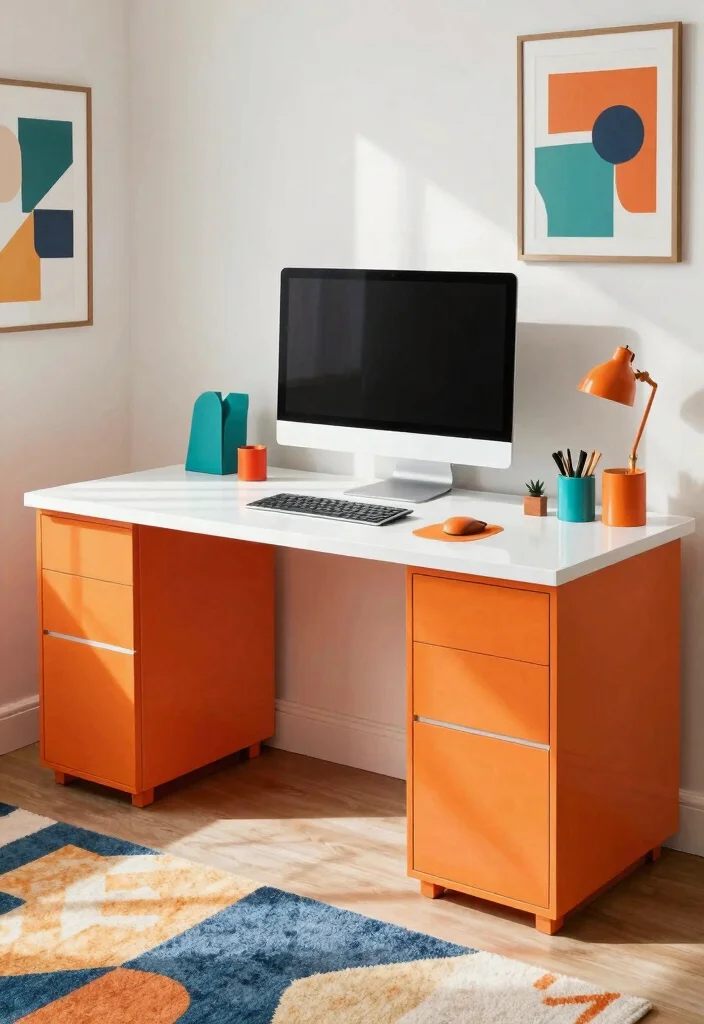
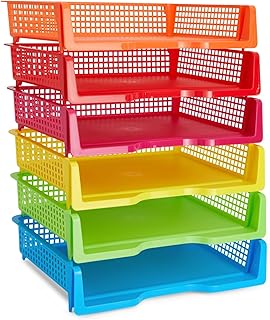
If you thrive in vibrant environments, color blocking can energize your workspace. Bright colors like teal and orange stimulate creativity and make a bold statement. Start with a striking desk, perhaps a glossy white with a vibrant accent, and add colorful accessories that tie into your palette for a cohesive look.
To implement this fun style, consider using paint samples to create an accent wall or colorful desk organizers. This approach is budget-friendly and allows for easy changes as your preferences evolve.
Enhance your workspace with these ideas:
– Choose 2-3 main colors to maintain harmony.
– Use eye-catching wall art to tie the design together.
– Add a playful rug to introduce another layer of color.
This vibrant design not only boosts energy but also reflects your personal style, making work a more enjoyable experience.
Bold Color Blocking
Editor’s Choice



5. Smart Tech Integration
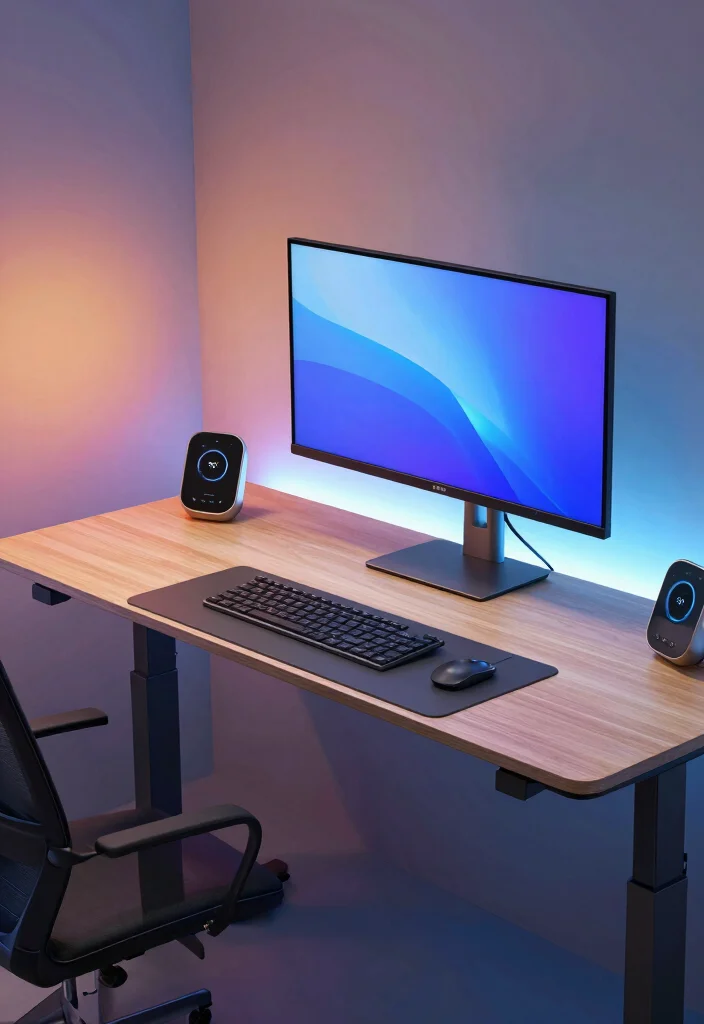
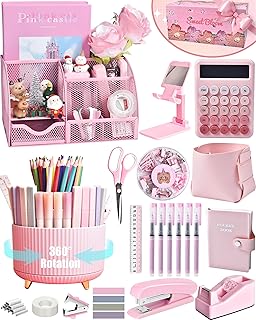
In today’s digital age, smart technology is essential for a modern workspace. An adjustable standing desk with built-in wireless charging can enhance comfort and productivity. Smart lighting that adjusts based on your needs creates an inviting and efficient atmosphere, reflecting a commitment to innovation.
Explore budget-friendly tech options that elevate your workspace without breaking the bank. Look for refurbished gadgets or affordable smart devices that offer great functionality.
Incorporate these tech-savvy ideas:
– Invest in a quality monitor that can adjust height for comfort.
– Use smart speakers for music and voice commands.
– Keep cables organized with clips or a stylish management box.
This forward-thinking approach not only streamlines tasks but also impresses clients and colleagues with a sleek, modern aesthetic.
An architect desk setup thrives on smart tech: adjustable desks, wireless charging, and mood lighting that actually helps focus. You don’t need to break the bank. Refurbished devices and smart gadgets can deliver big impact in small spaces.
6. Artful Inspiration Board
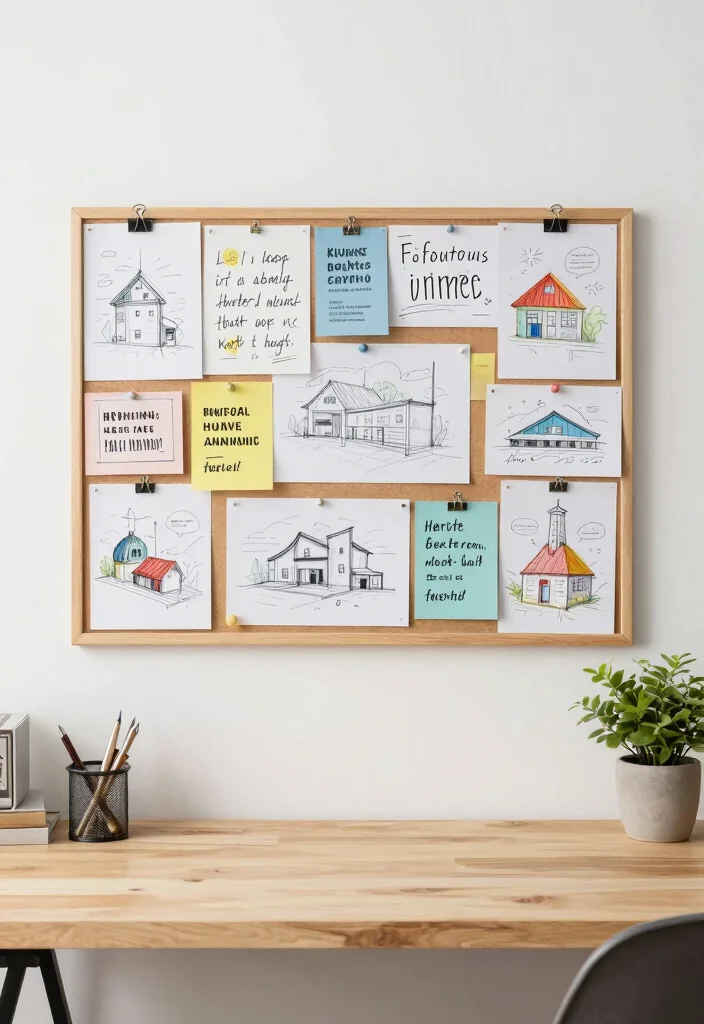
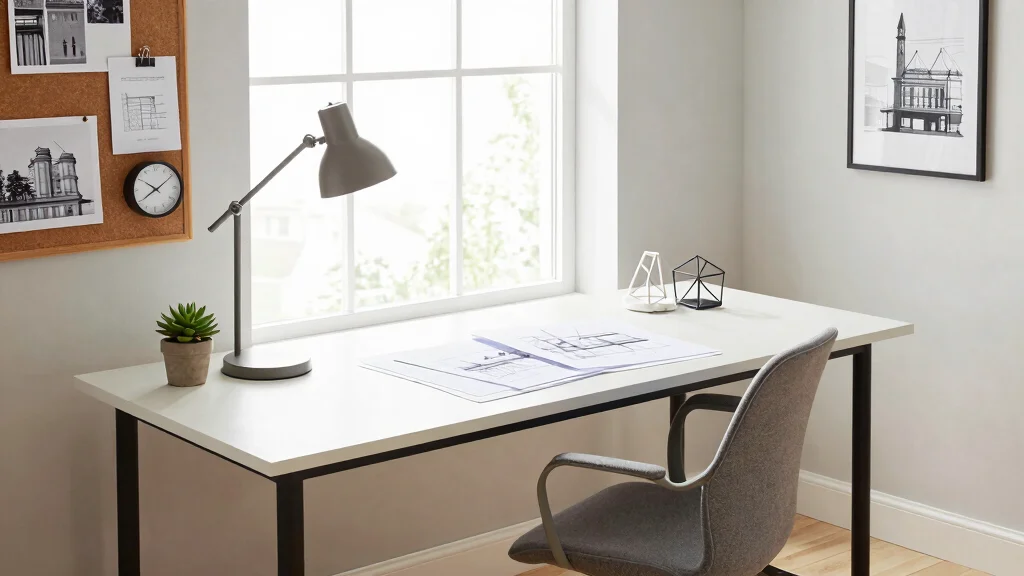
An inspiration board is a creative way to keep your ideas flowing. Dedicate a section of your wall or use a cork board to showcase architectural designs, sketches, and motivational quotes. This visual collection serves as both decoration and a source of inspiration, allowing your creativity to flourish.
To enhance this space, invest in a stylish pinboard or magnetic board that complements your decor. Regularly updating your board keeps it fresh and engaging, sparking new ideas.
Consider these tips for a dynamic inspiration board:
– Arrange items in a way that ignites joy and creativity.
– Use colors that align with your workspace palette for a cohesive look.
– Update regularly to reflect your evolving inspiration.
This personal touch not only creates an engaging work atmosphere but also serves as a constant reminder of your goals and aspirations.
Artful Inspiration Board
Editor’s Choice


7. Personal Touches
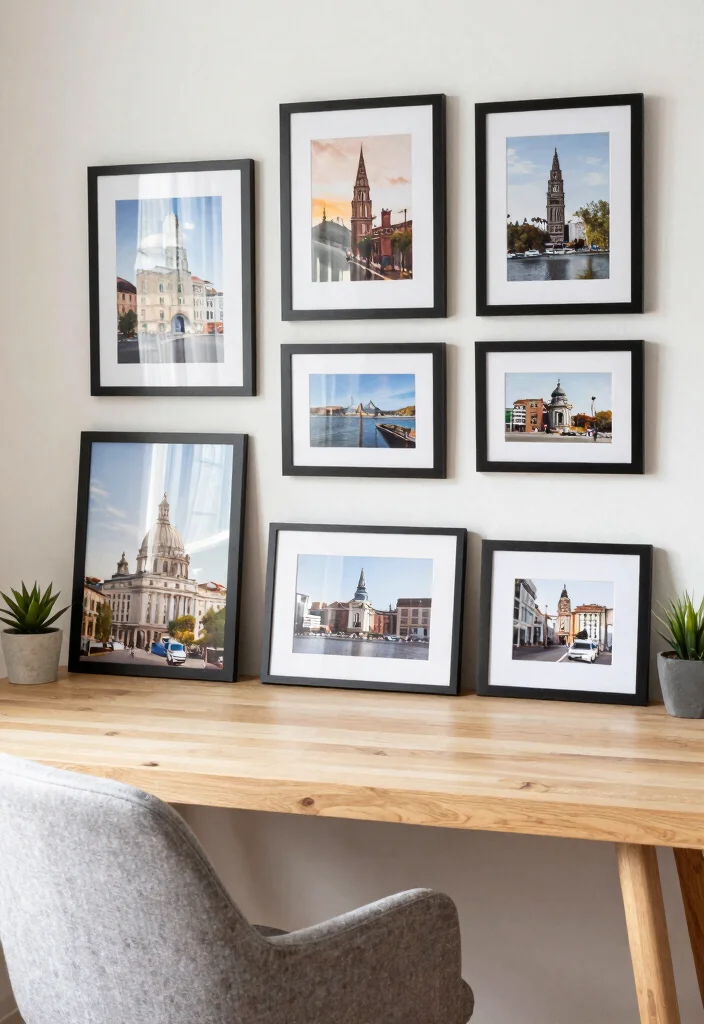
Adding personal touches to your workspace makes it feel more welcoming and authentic. Incorporate framed photographs, unique travel souvenirs, or meaningful art pieces that resonate with you. Curate these items carefully to avoid clutter while showcasing your personality, creating a warm and professional environment.
To achieve this balance, choose items that inspire positivity and creativity, ensuring they contribute to the overall aesthetic. Regularly rotating these pieces keeps your workspace feeling fresh and engaging.
Enhance your workspace with these personal touches:
– Select items that evoke happy memories or inspire.
– Use a mix of textures and materials to create visual interest.
– Change out decor periodically to maintain excitement.
These personal elements not only enhance emotional well-being but can also serve as conversation starters with clients and colleagues.
Personal Touches
Editor’s Choice





8. Geometric Forms and Lines
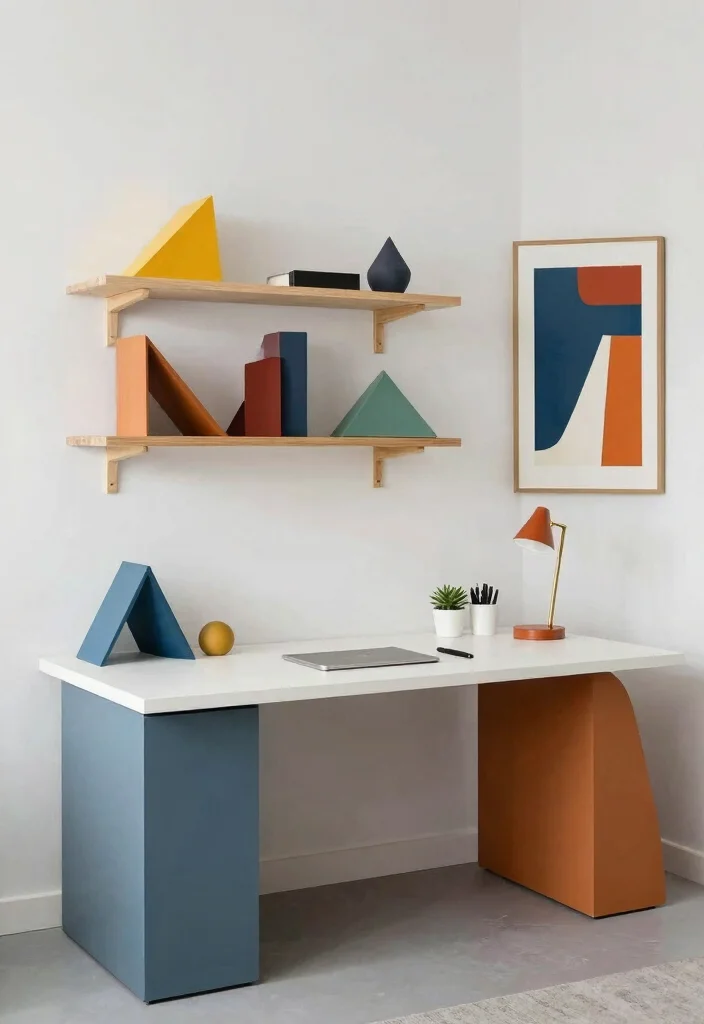
Incorporating geometric forms in your workspace creates a visually striking environment. Furniture and accessories with clean lines and innovative shapes can serve as focal points. A uniquely structured desk or geometric shelving adds character and style, enhancing your overall design aesthetic.
To integrate this style, mix different geometric shapes for added interest while ensuring your color palette remains cohesive. This balance maintains a polished look and encourages creativity.
Consider these ideas for a geometric-inspired workspace:
– Mix various geometric shapes for depth.
– Maintain a consistent color palette for harmony.
– Arrange furniture strategically to guide the room’s flow.
This approach not only inspires innovative thinking but also appeals to modern sensibilities, making your space feel fresh and exciting.
9. Nature-Inspired Elements
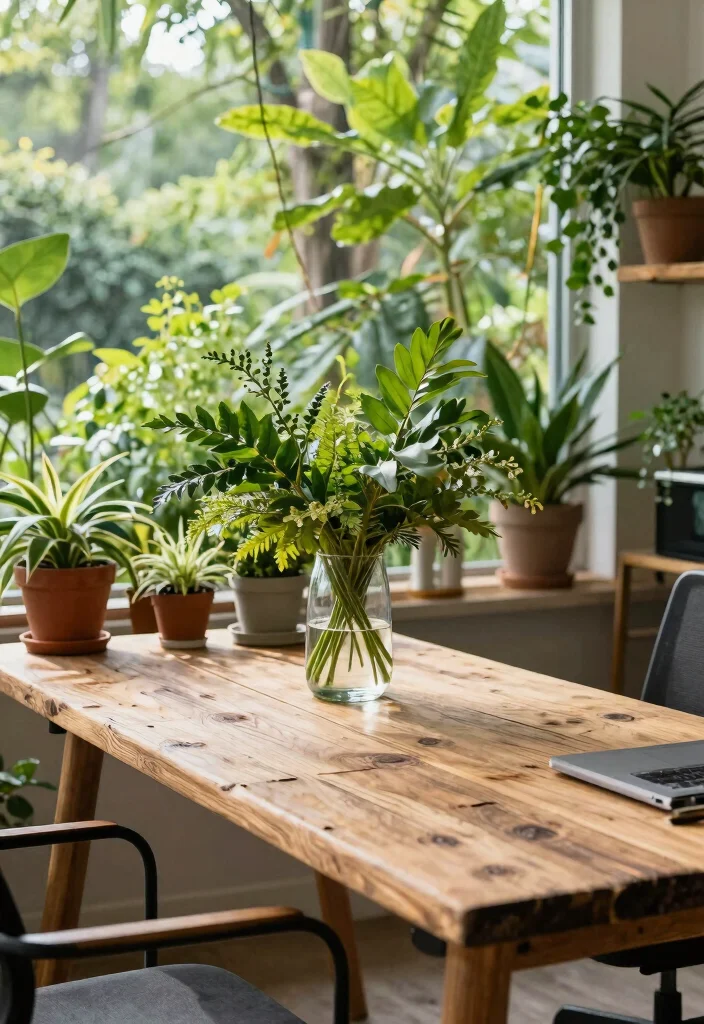
Bringing nature into your workspace enhances both aesthetics and well-being. A desk crafted from reclaimed wood surrounded by various plants infuses life into the space. A terrarium or glass vase filled with greenery can serve as a beautiful centerpiece, fostering a connection to the outdoors.
For a budget-friendly approach, select low-maintenance plants like succulents, ensuring they thrive in your workspace. Natural light will not only support plant health but also enhance the overall ambiance.
Incorporate these nature-inspired elements:
– Choose low-maintenance plants for easy care.
– Maximize natural light to improve plant vitality.
– Use stone or woven materials to enhance organic aesthetics.
This design encourages a healthier work-life balance, reducing stress and boosting productivity.
Nature-Inspired Elements
Editor’s Choice


10. Multi-Functional Furniture
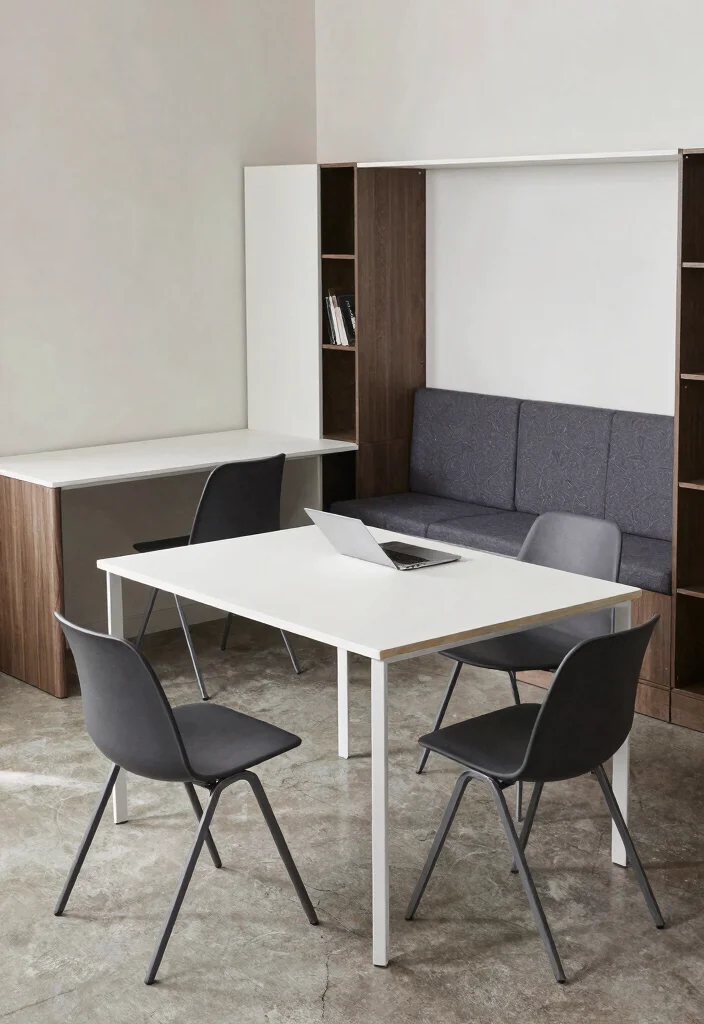
In compact spaces, versatility is essential. Opt for multi-functional furniture that maximizes utility without sacrificing style. Desks that double as dining tables or chairs that fold away can transform your workspace, making it adaptable to your needs.
Consider quality pieces that serve multiple purposes and fit your design aesthetic. This approach not only saves space but also enhances creativity by providing various surfaces for work.
Maximize your space with these ideas:
– Choose easily movable pieces for adaptability.
– Prioritize quality to ensure durability and style.
– Maintain a cohesive look with design aesthetics in mind.
This strategy enhances productivity by keeping your workspace organized and flexible, allowing for a dynamic work environment.
11. Minimalist Wall Shelving
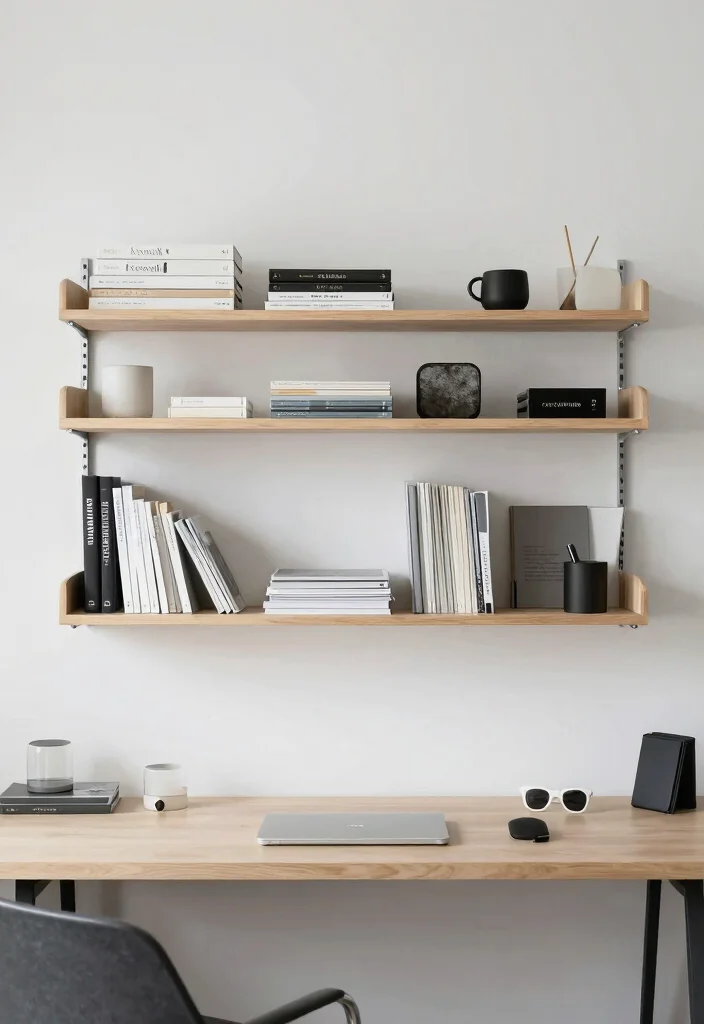
Floating shelves can revolutionize a small office, providing extra storage while keeping floors clear. Opt for minimalist designs that complement your desk setup, using them to display architectural books and inspiring materials. This keeps your workspace organized while adding visual interest.
Ensure shelves are installed at eye level for easy access, and maintain a consistent color scheme for cohesion. Use decorative boxes for smaller items to achieve a clean look.
Consider these tips for effective wall shelving:
– Install shelves securely to support your items.
– Keep your color scheme aligned with your overall decor.
– Use boxes to maintain organization and style.
This approach creates a sense of openness, making smaller spaces feel larger and more inviting.
Fun fact: floating shelves can reclaim up to 40% more floor space in a tiny office. With minimalist designs and a shared color scheme, your architect desk setup stays organized and visually calm, while books and samples finally have a proper home.
12. Elegant Lighting Solutions
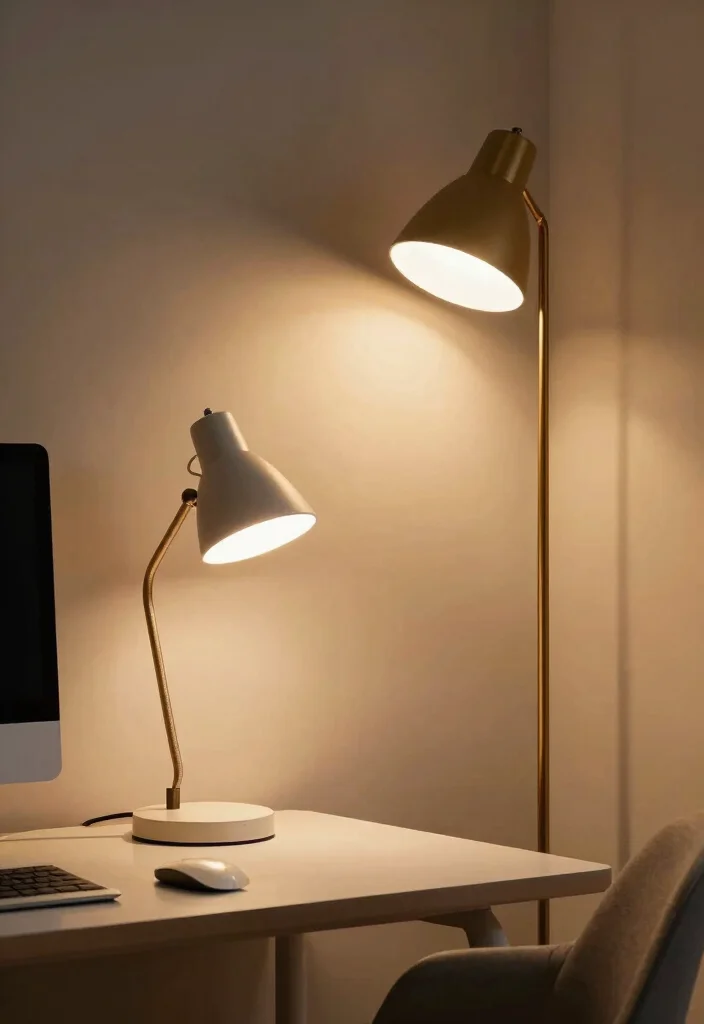
Lighting dramatically influences your workspace’s ambiance. Invest in elegant lighting solutions that marry function with style. A chic desk lamp with adjustable brightness enhances focus, while floor lamps create warmth and invite comfort into your space.
Experiment with different lamp styles to complement your decor, ensuring you layer the lighting to minimize harsh shadows. Warm-toned bulbs enhance comfort and create an inviting atmosphere.
Enhance your workspace with these lighting ideas:
– Layer lighting for depth and warmth.
– Use warm bulbs to create a cozy feel.
– Choose lamps that reflect your design aesthetic.
This thoughtful approach to lighting can elevate mood and productivity, making it a crucial part of your desk setup.
Fun fact: Proper lighting can boost focus by up to 30% in an architect desk setup. Use an adjustable desk lamp and warm-toned bulbs to layer lighting, reduce harsh shadows, and invite calm, productive work.
13. Creative Storage Solutions
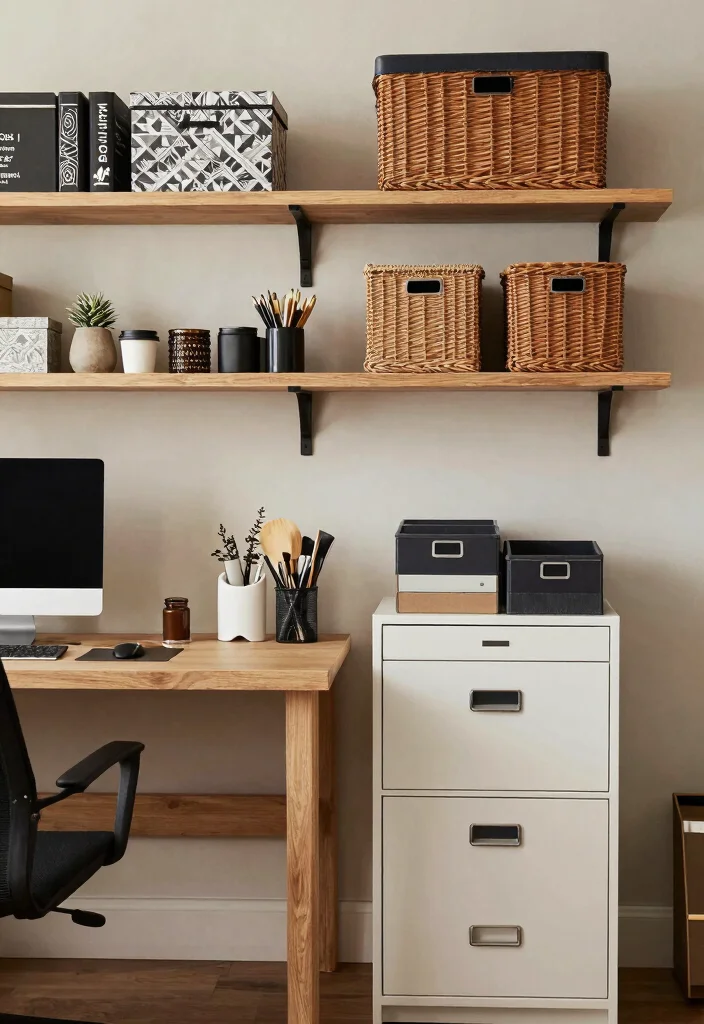
Storage doesn’t have to be dull! Creative storage solutions can elevate your workspace while keeping it organized. Use decorative boxes that reflect your style, and consider open shelving for easy access to essentials. A stylish filing cabinet can double as a design statement, keeping documents tidy.
To maintain organization, label boxes and folders for easy identification. Incorporating various textures adds visual interest, while regular decluttering keeps your environment neat and efficient.
Maximize your storage with these ideas:
– Label storage for quick access.
– Mix materials for a unique look.
– Regularly declutter to maintain organization.
Creative storage not only inspires organization but also infuses your workspace with character and personality.
14. Sustainable Materials
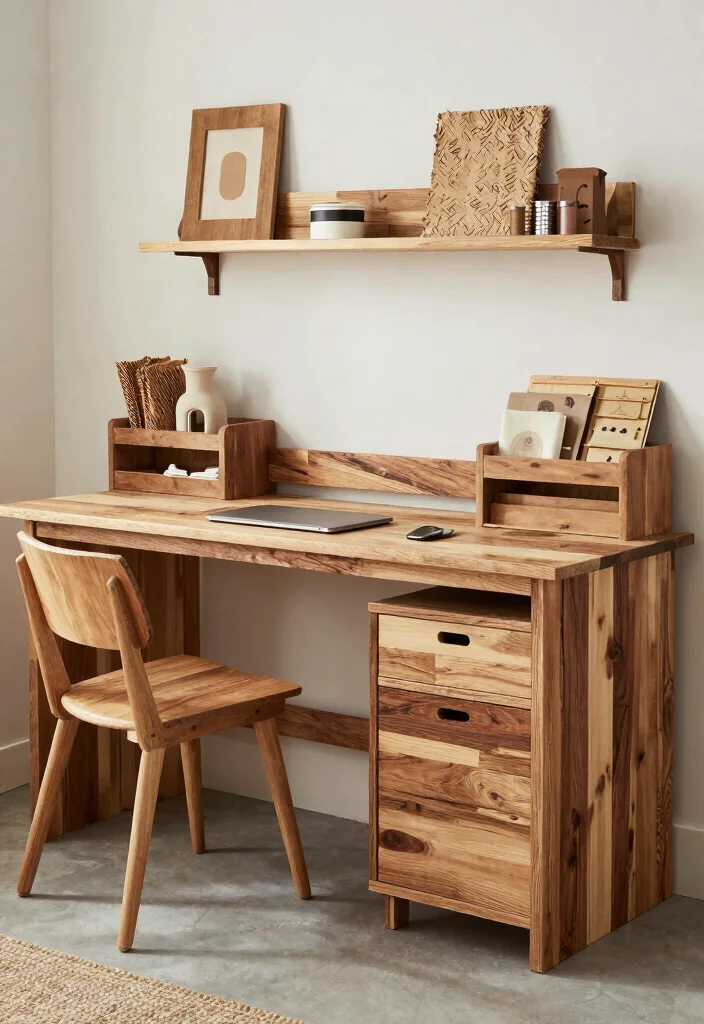
Sustainability is increasingly vital in office design. Choose furniture made from recycled or eco-friendly materials like bamboo or reclaimed wood, reducing your carbon footprint while enhancing aesthetics. Incorporate sustainable accessories, such as non-toxic organizers, to complete the eco-conscious look.
Research local suppliers for sustainably sourced options and prioritize quality to ensure longevity. Consider the life cycle of materials when making design choices to minimize waste.
Embrace sustainability with these ideas:
– Look for local suppliers of eco-friendly materials.
– Choose durable pieces that stand the test of time.
– Evaluate the environmental impact of your choices.
A workspace centered around sustainability attracts like-minded clients and fosters a sense of responsibility in your professional environment.
Conclusion
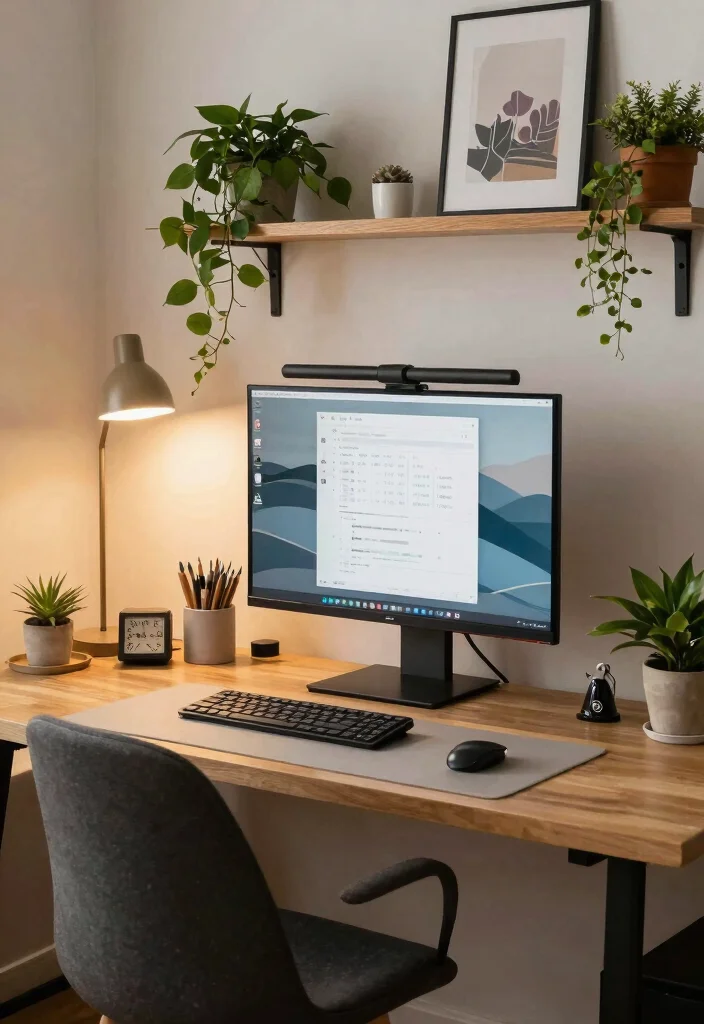
Curating the perfect architect desk setup requires a blend of aesthetics, functionality, and personal flair.
By integrating these ideas, you can create a workspace that not only meets professional standards but also inspires creativity and motivation. Remember, your workspace reflects your personality and values, so feel free to personalize it as you see fit.
Note: We aim to provide accurate product links, but some may occasionally expire or become unavailable. If this happens, please search directly on Amazon for the product or a suitable alternative.
This post contains Amazon affiliate links, meaning we may earn a small commission if you purchase through our links, at no extra cost to you.
Frequently Asked Questions
What features define a professional architect desk setup for a small space?
A professional architect desk setup in a small space combines clean lines, purposeful organization, and high-quality basics. Start with a clutter-free surface and a compact ergonomic chair. Add a slim monitor arm to keep the screen at eye level and free desk depth, then use vertical or wall-mounted storage to free surface space. Stick to a neutral palette with one warm accent to keep things cohesive, and choose storage that hides clutter while keeping frequently used items within reach. By prioritizing architect desk setup essentials and modern desk organization techniques, you’ll achieve professional office decor that still feels spacious.
How can I create architect workspace inspiration in a compact home office?
Start with a clear focal point such as a rendered drawing, a scale model, or a framed photo on the wall. Use natural light and keep textures minimal with wood, metal, and glass for calm contrast. Choose a simple desk layout that puts you at a comfortable 90-degree angle to the door and uses vertical storage to reduce surface clutter. Add personal touches like a model shelf, a plant, and a good lamp, but keep them deliberate so they support focus. This approach delivers architect workspace inspiration and aligns with creative workspace design in a small footprint.
What ergonomic desk accessories should I include for a minimalist architect desk setup?
Key pieces include an adjustable chair with lumbar support, a sit-stand desk or converter, a monitor arm, a slim keyboard tray or dedicated mouse platform, and an ergonomic footrest. Add cable clips and a cable management box to keep cords tidy. A quality anti-fatigue mat helps during long drafting sessions. Position your monitor at about elbow height and keep wrists straight for comfort. With ergonomic desk accessories, you protect your posture while maintaining a minimal, focused desk.
How can I organize a modern desk in a small space without sacrificing style?
Prioritize modern desk organization by using vertical storage, floating shelves, and hidden compartments. Group similar tools like scales, pencils, and rulers in labeled containers. Use a single desk tray for papers and drawings, and route cables with a cable raceway or clips. Choose a compact storage cart on wheels that can tuck under the desk when not in use. Limit desk accessories to 3-5 items to keep a clean, minimal look that stays highly functional.
Which ideas help balance professional office decor with a creative workspace design?
Start with a neutral base of quiet whites, warm wood, and cool gray. Add a single bold accent piece like a steel lamp or framed architectural print to energize the space without clutter. Use materials that reflect architecture—glass, metal, and wood—to create cohesion. Define zones for drafting and display, and rotate a small set of decor pieces to keep the space feeling fresh. This approach preserves professional office decor while embracing creative workspace design for your architect desk setup.
Related Topics
architect desk setup
minimalist design
small spaces
home office decor
modern workspace
professional office
ergonomic accessories
creative design
workspace inspiration
desk organization
compact furniture
easy setups